
Facet Joint Injection Regenerative Therapy: The Diagnosis-to-Biologic Framework That Matches Your Exact Severity to PRP, BMAC, or MSCs in 2026
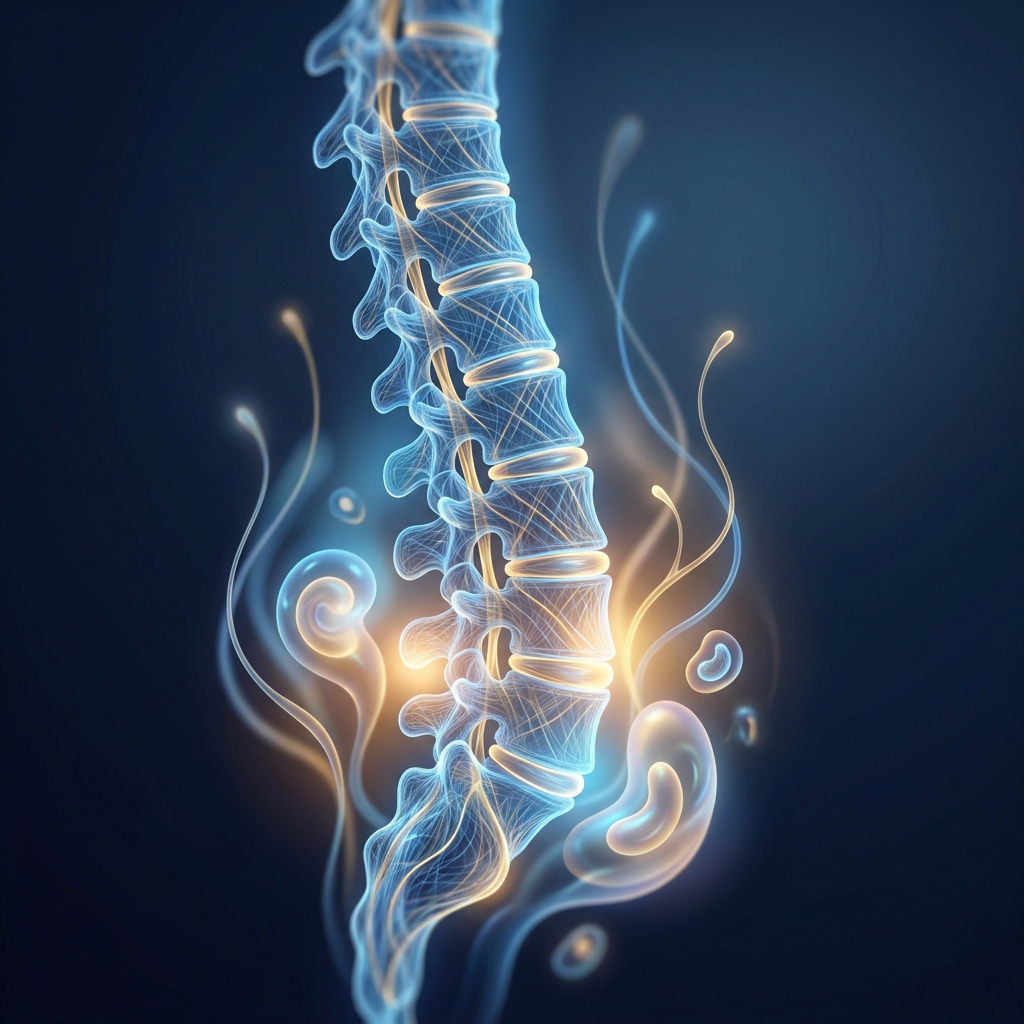
Facet Joint Injection Regenerative Therapy: The Diagnosis-to-Biologic Framework That Matches Your Exact Severity to PRP, BMAC, or MSCs in 2026
Introduction: Why Most Facet Joint Patients Never Reach the Right Treatment
Facet joint disease is one of the most common pain generators in the U.S. adult population, yet it remains chronically underdiagnosed and under-targeted. Research published through the NIH StatPearls database shows that facet joints are responsible for 15% to 41% of chronic low back pain cases, and up to 52% of chronic low back pain in elderly patients is mediated by these joints. With a lifetime adult prevalence of low back pain in the United States ranging from 65% to 80%, the scale of this problem is staggering.
Despite this prevalence, most patients never reach the right treatment. They cycle through corticosteroid injections, physical therapy, and a rotating cast of NSAIDs without ever following a structured, biology-informed pathway toward regenerative options. When regenerative care does enter the conversation, it often arrives as a one-size-fits-all pitch rather than a clinically reasoned recommendation.
The central premise of this article is simple: matching the right biologic to the right patient requires a diagnosis-first framework. Platelet-rich plasma (PRP), bone marrow aspirate concentrate (BMAC), mesenchymal stem cells (MSCs), alpha-2-macroglobulin (A2M), and exosomes are not interchangeable. Each targets a different stage of facet degeneration, and selecting among them demands precision.
This guide walks through that framework in order: confirmatory diagnosis via medial branch blocks, the biology of facet joint degeneration, how each regenerative modality maps to severity level, what the 2026 clinical evidence actually shows, and who is and is not a candidate. Whether a reader is a patient who has exhausted conservative care or someone comparing options before a consultation, this article provides a clinically grounded roadmap.
Understanding Facet Joint Anatomy and Why Degeneration Matters for Biologic Selection
Facet joints are true synovial joints. They contain articular cartilage, synovial fluid, and a fibrous capsule, the same structural elements found in the knee and hip. This matters enormously, because it means facet joints are biologically responsive to regenerative injections in the same way larger joints are.
Two spinal regions account for the majority of facet syndrome cases. Cervical facet syndrome represents roughly 55% of all cases, while lumbar facet syndrome accounts for approximately 31%. Both regions are addressable with regenerative biologics, though competitor content almost universally ignores the cervical spine.
The degeneration cascade follows a predictable sequence: cartilage loss leads to synovial inflammation, which produces capsular laxity, followed by bone remodeling (hypertrophy and osteophyte formation), and finally nerve sensitization. Each stage represents a distinct biological target. Early-stage disease, dominated by cartilage degradation and active inflammation, responds very differently to regenerative therapy than advanced-stage disease characterized by bone-on-bone contact and severe hypertrophy.
This is precisely why biologic selection cannot be guesswork. A growth-factor therapy ideal for early synovial inflammation may be insufficient for a joint that has lost most of its cartilage. Understanding where a patient sits on this cascade is the foundation of effective treatment.
It is also why facet-specific diagnosis matters. Facet joint degeneration is distinct from disc degeneration, and the two often coexist. Without confirming the facet joint as the primary pain generator, any injection, regenerative or conventional, risks treating the wrong structure.
Step One: Confirming the Facet Joint as the Pain Source
Facet joint pain is notoriously difficult to diagnose on clinical exam alone. As StatPearls notes, there are no pathognomonic physical exam findings, and imaging features such as facet hypertrophy on MRI do not reliably correlate with pain severity. A joint can appear degenerated and cause no pain, and vice versa.
This is where medial branch blocks (MBBs) become the diagnostic gold standard. Local anesthetic is injected onto the medial branch nerves that innervate the facet joint. A pain reduction of 50% to 80% confirms that the facet joint is the source of symptoms. The standard clinical protocol typically involves two comparative MBBs using different local anesthetics, a step that significantly reduces false-positive rates before any therapeutic intervention proceeds.
A meaningful policy shift occurred in July 2024, when Medicare expanded coverage to include medial branch blocks as therapeutic, not just diagnostic. This broadened access for facet pain patients and reflected growing clinical recognition of the value MBBs provide.
Skipping this confirmatory step is a clinical error. Injecting a regenerative biologic into a joint that is not the primary pain generator wastes resources and delays appropriate care. Accurate MBB delivery requires image guidance via fluoroscopy, CT, or ultrasound, setting the stage for the image-guided regenerative injections that follow.
The Biology of Regenerative Facet Joint Therapy: How Each Biologic Works
Understanding the mechanism behind each biologic is what separates informed selection from marketing-driven guesswork. Each option targets a different aspect of the degeneration cascade: cartilage repair, inflammation suppression, enzyme inhibition, or cellular regeneration.
Platelet-Rich Plasma (PRP): Growth Factor Delivery and the Leukocyte Question
PRP begins with a blood draw from the patient. The blood is centrifuged to concentrate platelets, and the resulting product is injected into the facet joint under image guidance. PRP concentrates key growth factors including TGF-β, PDGF, VEGF, FGF, and EGF, each playing a role in tissue repair, angiogenesis, and inflammation modulation.
A critical distinction most competitor content ignores is leukocyte-rich (LR-PRP) versus leukocyte-poor (LP-PRP) preparations. LP-PRP is increasingly favored for intra-articular applications like facet joints. Leukocytes introduce pro-inflammatory cytokines such as IL-1β and TNF-α, which can be counterproductive inside an already inflamed synovial joint. LP-PRP delivers a more favorable anti-inflammatory cytokine profile. Understanding the differences between PRP preparation methods is essential for matching the right formulation to the right patient.
A 2025 prospective study by Baltzer et al., published in Orthopedic Reviews, specifically investigated CT-guided LP-PRP for lumbar facet joint syndrome, tracking outcomes at 2 weeks, 6 weeks, 3 months, 6 months, and 1 year. A persistent challenge across the field is the lack of standardization in PRP preparation, including platelet concentration, leukocyte content, and activation method, which complicates cross-study comparisons and limits insurance coverage.
Unlike corticosteroids, which suppress inflammation acutely but do not repair tissue and are associated with cartilage thinning when used repeatedly, PRP promotes tissue proliferation without those risks.
Bone Marrow Aspirate Concentrate (BMAC): Multipotent Cells and Structural Repair
BMAC is produced by aspirating bone marrow, typically from the posterior iliac crest, then concentrating it via centrifugation before injection into the target joint. BMAC contains mesenchymal stem cells, hematopoietic progenitor cells, platelets, and growth factors, offering both regenerative signaling and structural repair potential.
The biological rationale is compelling: MSCs within BMAC can differentiate into chondrocytes (cartilage cells) and secrete paracrine factors that modulate inflammation and stimulate the body’s own repair processes. This makes BMAC most appropriate for moderate-to-advanced facet arthropathy, where cartilage loss is significant and PRP’s growth-factor delivery alone may not suffice. The bone marrow concentrate injection procedure involves careful aspiration and processing to preserve the viability of these regenerative cell populations.
The CellKine Phase 1 trial, published in PAIN Reports, evaluated allogeneic bone marrow-derived MSCs injected directly into lumbar facet joints, reporting positive safety and feasibility outcomes. Separately, a 12-month open-label study found that 67% of patients achieved clinically meaningful ODI improvement and 56% experienced at least a 2-point NRS pain reduction when MSCs were injected into facet joints and other spinal structures.
Mesenchymal Stem Cells (MSCs) and Adipose-Derived Regenerative Cells (ADRCs)
Bone marrow-derived MSCs (BM-MSCs) and adipose tissue-derived regenerative cells (ADRCs) both contain regenerative cell populations but differ in harvest site, cell yield, and procedural complexity. ADRCs are obtained through a mini-lipoaspiration, processed to isolate the stromal vascular fraction (SVF), and then injected. This represents a less invasive harvest than bone marrow aspiration.
A 2023 observational study in the Journal of Personalized Medicine showed improved quality of life in facet syndrome patients treated with ADRCs. The primary mechanism of MSCs is paracrine: rather than directly replacing damaged cells, they secrete anti-inflammatory cytokines, growth factors, and extracellular vesicles that reshape the local joint environment. MSC-based therapies are best suited for patients with moderate-to-severe facet arthropathy who have not responded to PRP and are not surgical candidates.
Regarding regulatory context, as of 2026 the FDA has not approved stem cell products specifically for orthopedic conditions, though substantial clinical evidence supports safety and efficacy when administered by qualified providers within FDA regulatory frameworks. Patients considering these options often ask whether stem cell therapy is FDA approved for joints, and understanding the current regulatory landscape is an important part of informed consent.
MSC-Derived Extracellular Vesicles (Exosomes): The Cell-Free Frontier
Exosomes represent a next-generation, cell-free regenerative option almost entirely absent from competitor content. These nanoscale vesicles, secreted by MSCs, carry microRNA, proteins, and lipids capable of modulating gene expression and cellular behavior in recipient cells within the facet joint.
A 2024 pilot study followed 20 patients with lumbar facet joint pain who received a single BM-MSC extracellular vesicle injection. At 3 months, no adverse events were reported, and significant improvements were observed: Severity Index improved 65%, Interference Index 72%, and Oswestry Disability Index 58%.
Potential advantages of exosomes over whole-cell therapies include no risk of immune rejection, longer shelf life, easier standardization, and avoidance of regulatory concerns surrounding living-cell transplantation. The exosome injection procedure differs meaningfully from whole-cell approaches in both preparation and delivery. Exosome therapy for facet joints remains in early clinical stages and is not yet widely available, but it represents a significant direction for the field.
Alpha-2-Macroglobulin (A2M): Targeting the Enzymatic Destruction of Cartilage
A2M is a naturally occurring plasma protein and broad-spectrum protease inhibitor that works through a fundamentally different mechanism than PRP or MSCs. In arthritic facet joints, destructive enzymes such as MMPs, aggrecanases, and cytokines like IL-1β degrade the cartilage matrix. A2M neutralizes these enzymes by binding and trapping them, halting the degenerative cascade.
A2M can be concentrated from the patient’s own blood and injected intra-articularly, making it an autologous, minimally invasive option. A 2025 systematic review in Current Pain and Headache Reports listed A2M among promising intra-articular biologics for facet joint axial spinal pain. It is particularly relevant for patients in the early-to-moderate degeneration phase where enzymatic cartilage destruction is active, serving as a protective biologic that may slow progression. A2M has less facet-specific trial data than PRP, but its established mechanism in joints like the knee provides a strong biological rationale.
Prolotherapy: Stimulating the Body’s Own Repair Response
Prolotherapy involves injecting a hypertonic dextrose solution into the facet joint capsule and surrounding ligaments to trigger a controlled inflammatory response that stimulates endogenous tissue repair. The mild irritant effect activates fibroblasts and growth-factor release, promoting collagen synthesis and capsular tightening.
Prolotherapy serves as a lower-complexity entry point on the regenerative spectrum, appropriate for patients with early-stage facet instability or capsular laxity who may not yet require PRP or cellular therapies. It lacks the growth-factor concentration of PRP and the cellular potential of MSCs, and its pro-inflammatory mechanism contrasts sharply with LP-PRP’s anti-inflammatory approach, underscoring that biologic selection must account for a patient’s current inflammation burden.
The Diagnosis-to-Biologic Framework: Matching Severity to the Right Treatment
This framework is the core clinical decision tool of the article: a structured approach that maps facet arthropathy severity to the most appropriate biologic. Three key variables drive selection: the degree of cartilage degradation, the current inflammation burden, and prior treatment history. It is not a substitute for individualized clinical evaluation, but a decision-support structure that clarifies the rationale behind biologic selection.
Severity Level 1: Early Facet Arthropathy with Synovial Inflammation and Minimal Cartilage Loss
The clinical profile here includes confirmed facet-mediated pain via MBB, mild joint space narrowing, active synovial inflammation, intact or minimally degraded cartilage, and failure of conservative care such as physical therapy, NSAIDs, and activity modification.
The recommended first-line biologic is LP-PRP. Its growth-factor delivery reduces synovial inflammation, promotes cartilage matrix synthesis, and avoids the cartilage-damaging risks of repeated corticosteroids. LP-PRP is preferred over LR-PRP at this stage precisely because the joint is already inflamed; adding leukocyte-derived pro-inflammatory cytokines would be counterproductive. A2M may serve as an adjunct or alternative when enzymatic cartilage destruction is suspected, and prolotherapy may suit patients whose capsular laxity is a contributing factor.
On the timeline, triple-blind RCT data show steroids outperform PRP at 1 month, but PRP demonstrates significantly superior outcomes at 6 months. Patients should expect regenerative benefit to build gradually rather than immediately. Understanding how PRP’s inflammation response unfolds over time helps set realistic expectations for this treatment phase.
Severity Level 2: Moderate Facet Arthropathy with Cartilage Degradation and Ongoing Inflammation
This profile features confirmed facet-mediated pain, moderate joint space narrowing, cartilage thinning on MRI or CT, a history of prior corticosteroid injections with diminishing returns, and ongoing functional limitation.
PRP remains viable, but BMAC or ADRCs become more appropriate as cartilage loss increases. At this level, the joint needs not just anti-inflammatory signaling but active chondrogenic stimulation, which the MSC content of BMAC can provide. A combination approach also merits consideration: a 2023 study in the Journal of Orthopaedics, Trauma and Rehabilitation found that RFA plus PRP produced significantly decreased pain scores and reduced NSAID use at 3 and 6 months compared to RFA plus steroid.
Patients at this stage with multiple prior steroid injections face documented risks of cartilage thinning and adrenal suppression, strengthening the rationale for transitioning to regenerative alternatives. The same selection logic applies to moderate cervical facet arthropathy, with injection technique adapted for cervical anatomy. For patients weighing their options, understanding the differences between BMAC and stem cell therapy can clarify which approach best fits their clinical picture.
Severity Level 3: Advanced Facet Arthropathy with Severe Degeneration and Structural Compromise
This profile includes severe degeneration, significant osteophyte formation, near-complete cartilage loss, possible secondary spinal stenosis, and substantial functional disability.
Allogeneic BM-MSCs or MSC-derived exosomes represent the most advanced regenerative options. Their potent paracrine and immunomodulatory effects may provide pain relief and functional improvement even when structural repair potential is limited, as supported by the CellKine Phase 1 trial. Expectations must be realistic: at advanced severity, the goals shift from structural restoration to pain reduction, functional improvement, and delaying surgery.
Importantly, some patients are not candidates at any severity level. These include those with active infection at the injection site, uncontrolled coagulopathy, severe uncontrolled diabetes, active malignancy, allergy to biologic components, or true end-stage bone-on-bone arthritis requiring surgical decompression. Notably, a 2025 JAAOS Global Research and Reviews finding showed PRP offers greater long-term pain alleviation and patient satisfaction than corticosteroids for hypertrophic facet joints, meaning PRP may still provide meaningful benefit even at advanced stages. A 2025 European Delphi consensus of 38 experts further confirmed that all radiological image-guidance methods show good safety and efficacy for facet joint injections.
What the 2026 Clinical Evidence Actually Shows: PRP vs. Corticosteroids and Beyond
An honest reading of the evidence avoids both hype and dismissal. The triple-blind RCT data establish a clear pattern: corticosteroids outperform PRP at 1 month, but PRP demonstrates significantly superior outcomes at 6 months. The implication is that PRP is a long-term strategy, not a rapid pain-relief solution.
A 2025 double-blind RCT published via ScienceDirect, involving 76 patients, found no statistically significant pain difference between PRP and corticosteroid at 3, 6, or 12 months, yet the PRP group showed statistically significant functional improvement (ODI) at 3 months. This suggests PRP’s benefit may manifest in function before pain scores diverge.
The 2025 JAAOS systematic review concluded PRP offers greater long-term pain alleviation, disability reduction, and patient satisfaction than corticosteroids for hypertrophic facet joints. The Springer systematic review identified 4 RCTs and 6 observational studies on regenerative biologics for facet joint axial spinal pain, finding emerging evidence of improvements across pain, function, and quality of life. The BM-MSC extracellular vesicle pilot study reinforced this with strong functional gains and no adverse events at 3 months.
These findings come with honest limitations: small sample sizes, heterogeneous PRP protocols, short follow-up in some studies, and the need for larger Phase 3 RCTs. As the StatPearls Regenerative Therapy in Pain chapter notes, PRP appears safe and beneficial in selected cases of facet joint-related back pain, though more high-quality studies are needed. Critically, unlike corticosteroids, PRP and MSC-based therapies are not associated with cartilage breakdown, adrenal suppression, or diminishing returns with repeated use.
Image Guidance: Why Precision Delivery Is Non-Negotiable
Facet joints are small, anatomically complex targets. Accurate intra-articular delivery of any biologic requires image guidance. The three primary modalities are fluoroscopy (X-ray), CT guidance, and ultrasound, each with advantages depending on spinal level, patient anatomy, and clinical setting.
The 2025 European Delphi consensus of 38 experts, with 18 of 20 statements reaching strong consensus, confirmed that all radiological methods show good safety and efficacy for image-guided facet joint injections. The Baltzer et al. 2025 study specifically used CT guidance for LP-PRP injections, as CT offers the highest anatomical precision for lumbar facet targeting.
The clinical consequence of inaccurate delivery is significant: a biologic injected into periarticular tissue rather than the joint space will not achieve its intended effect, regardless of quality. This is why Unicorn Bioscience administers all injections using advanced imaging guidance, including ultrasound and X-ray, to ensure accurate delivery to targeted treatment areas. The same precision requirement applies to the diagnostic MBBs that precede regenerative therapy, reinforcing the value of a fully image-guided pathway.
Patient Selection: Who Is and Is Not a Candidate for Regenerative Facet Therapy
The ideal candidate has failed conservative care (physical therapy, NSAIDs, and activity modification for at least six weeks), has confirmed facet-mediated pain via diagnostic MBB, presents with mild-to-moderate rather than end-stage degeneration, is not a surgical candidate or actively wishes to avoid surgery, and has no contraindications to injection.
Absolute contraindications include active local or systemic infection, uncontrolled coagulopathy or anticoagulation that cannot be safely bridged, active malignancy at or near the injection site, and allergy to biologic components. Relative contraindications requiring individualized assessment include uncontrolled diabetes, severe immunosuppression, pregnancy, and end-stage bone-on-bone arthritis where structural restoration is not feasible.
A patient’s corticosteroid history is also relevant. Those who have received multiple prior steroid injections face documented cartilage thinning and diminishing returns, which strengthens the case for transitioning to regenerative therapy. Age and comorbidities matter as well; older patients, who carry facet syndrome prevalence up to 52% in the elderly, may have additional conditions affecting biologic selection. Current medications, including anticoagulants, immunosuppressants, and pre-procedure NSAIDs, must be reviewed. Ultimately, patient selection is a clinical decision requiring individualized evaluation. For patients exploring minimally invasive arthritis treatment options, regenerative facet therapy represents one component of a broader joint preservation strategy.
Insurance, Coverage, and What Patients Should Know Before Pursuing Regenerative Therapy
The coverage landscape is straightforward to summarize. Conventional facet joint injections (corticosteroid-based) are covered by Medicare and most major commercial insurers. Regenerative biologics such as PRP, BMAC, MSCs, and exosomes are currently classified as experimental or investigational by major payers.
The July 2024 Medicare expansion now covers medial branch blocks as therapeutic, not just diagnostic, a meaningful shift that broadens access for facet pain patients using conventional approaches. The CMS Local Coverage Determination L33930 outlines covered indications, frequency limits, and documentation requirements for Medicare-covered procedures.
Regenerative biologics lack coverage largely because of the absence of standardized PRP preparation protocols and the need for larger Phase 3 RCTs. Patients should discuss financial considerations directly with their provider, asking about out-of-pocket options, payment plans, and whether components of their care pathway (such as diagnostic MBBs) may be covered. Understanding PRP therapy cost structures can help patients plan for the financial aspects of a regenerative treatment course. The long-term cost of undertreated chronic facet pain, including opioid dependency risk, lost productivity, and downstream surgical costs, is a relevant factor when evaluating the value of regenerative therapy.
Conclusion: A Smarter Path from Diagnosis to the Right Biologic
Effective regenerative facet joint therapy begins with confirmatory diagnosis via medial branch blocks, proceeds to severity assessment, and culminates in biologic selection matched to the patient’s specific cartilage status, inflammation burden, and treatment history. The central insight bears repeating: LP-PRP, BMAC, MSCs, A2M, exosomes, and prolotherapy each address different aspects of the facet degeneration cascade and suit different severity levels.
The evidence base is evolving rapidly. The 2025 RCT and systematic review data support PRP’s long-term superiority over corticosteroids, while emerging Phase 1 data for MSCs and exosomes show promising safety and functional outcomes. Throughout, the quality of biologic preparation and the precision of image-guided delivery are as important as the biologic itself.
Understanding this framework empowers patients to ask better questions, set realistic expectations, and make informed decisions. As larger trials report results and regulatory frameworks evolve, regenerative facet joint therapy is positioned to become a standard-of-care alternative to repeated corticosteroid injections for appropriate patients.
Take the Next Step: Find Out Which Biologic Matches Your Facet Joint Severity
Patients who have been diagnosed with facet joint pain, have undergone diagnostic medial branch blocks, or have been told they need repeated steroid injections or surgery may benefit from a personalized regenerative medicine consultation to determine which biologic fits their specific severity level.
Unicorn Bioscience offers personalized treatment planning based on inflammation levels, age, injury type, and individual health goals, all delivered through precision imaging-guided injection technology. With multiple regenerative modalities available under one roof and both virtual and in-person consultation options, patients have access to a comprehensive, individualized approach.
Unicorn Bioscience serves patients across Texas (Austin, Dallas, El Paso, Fort Worth, Houston, and San Antonio), Florida (Boca Raton), and New York (Manhattan), with virtual consultations available for patients outside these areas.
To receive a personalized assessment of a facet joint condition and a biologic recommendation matched to an exact severity level, schedule a consultation by calling (737) 347-0446 or visiting unicornbioscience.com. A consultation is an opportunity to understand available options, not a commitment to any specific treatment.
Schedule Your Consultation Today!