
What Causes Knee Pain in Females: The 3-System Biological Framework Behind Why Women’s Knees Are Built Differently
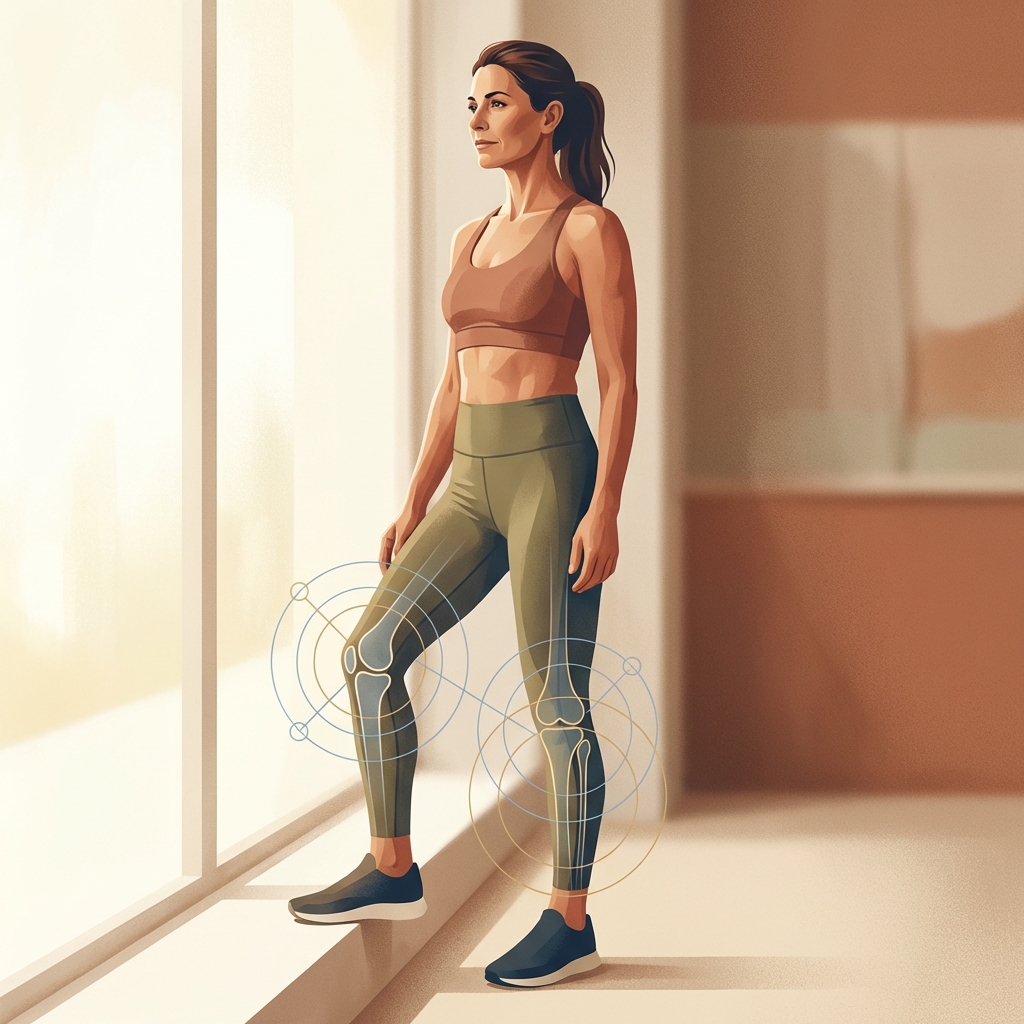
What Causes Knee Pain in Females: The 3-System Biological Framework Behind Why Women’s Knees Are Built Differently
Introduction: Why Knee Pain Hits Women Harder — and Differently
Women are approximately twice as likely as men to report knee pain, with prevalence ranging from 23% to 58% across different female age groups. This statistic alone reveals a fundamental truth that medicine has been slow to acknowledge: female knee pain is not simply a variation of male knee pain—it is a biologically distinct phenomenon.
The conventional approach to understanding female knee pain treats conditions like ACL tears, patellofemoral pain syndrome (PFPS), and osteoarthritis as isolated events. A woman tears her ACL during a basketball game. Another develops arthritis after menopause. A third experiences chronic anterior knee pain during her reproductive years. These are typically addressed as separate diagnoses with separate treatment protocols.
This approach misses the larger picture.
Female knee pain emerges from three overlapping biological systems: biomechanical architecture, hormonal biology, and life-stage progression. These systems do not operate in isolation—they compound one another. A wider Q-angle becomes more dangerous when estrogen loosens ligaments. Post-menopausal cartilage loss accelerates in a joint already stressed by decades of biomechanical disadvantage.
The clinical research gap compounds this problem. Less than 20% of pain studies published between 2012–2021 disaggregated data by sex, meaning women have largely been treated with protocols designed around male physiology. The result is predictable: higher pain prevalence, greater disease severity, and lower treatment satisfaction among female patients.
This article provides a comprehensive examination of the three-system framework—not just what causes female knee pain, but why the biology works the way it does and what that means for treatment.
The 3-System Framework: How Female Knee Pain Actually Works
Understanding female knee pain requires a conceptual map. The three-system framework provides exactly that:
- System 1: Biomechanical Architecture — The structural design of the female skeleton and how it loads the knee differently
- System 2: Hormonal Biology — What estrogen does inside the knee at the molecular level
- System 3: Life-Stage Progression — How risk evolves from adolescence through post-menopause
These systems function like three dials that can each be turned up independently. When one dial is elevated, risk increases. When two are elevated simultaneously, risk compounds. When all three are elevated—as occurs in post-menopausal women with structural vulnerabilities—the cumulative effect explains why nearly 37% of women aged 65 and older experience knee pain.
Generic, one-size-fits-all treatment protocols frequently underserve female patients precisely because they fail to account for this multi-system interaction. Understanding the framework is the foundation for understanding why sex-aware treatment planning produces better outcomes.
System 1: Biomechanical Architecture — How the Female Body Is Built
Female skeletal anatomy creates structural loading patterns on the knee that differ fundamentally from male anatomy. This is not a deficiency—it is a design feature with mechanical trade-offs. Biomechanical disadvantage forms the baseline condition upon which hormonal and life-stage factors are layered.
The Q-Angle: Why Wider Hips Change Everything at the Knee
The Q-angle (quadriceps angle) is the angle formed between the thigh muscles and the patellar tendon, measured from the anterior superior iliac spine through the center of the patella to the tibial tubercle. Women’s naturally broader hips create a wider Q-angle, causing the kneecap to track laterally rather than straight during movement.
This lateral tracking is a primary biomechanical driver of patellofemoral pain syndrome. In a landmark study of 1,525 U.S. Naval Academy participants, females were 2.23 times more likely to develop PFPS compared to males.
The numbers are significant. The annual prevalence of PFPS in the general population is 22.7%, rising to 29.2% in women versus 15.5% in men. Among elite female athletes, point prevalence ranges from 16.7% to 29.3%.
Women also have smaller patellae, higher patellofemoral cartilage stress, and disadvantageous trochlear morphology—all of which compound the Q-angle effect. Understanding knee bend pain and flexion angle diagnosis can help identify how these structural factors manifest clinically.
The Hip-Knee Kinetic Chain: When Weakness Above Becomes Pain Below
The knee does not function in isolation. It is the middle link between the hip and the foot, and weakness or dysfunction at the hip directly increases knee joint stress.
Hip muscle weakness—specifically the gluteus medius and gluteus maximus—is significantly associated with knee pain in females. Poor hip strength causes the knee to drift inward during movement (dynamic valgus), dramatically increasing joint stress. Research confirms that gluteus medius and maximus strength is significantly reduced in extremities experiencing knee pain.
Female athletes often exhibit delayed activation of stabilizing muscles such as the hamstrings, resulting in greater anterior tibial translation and increased strain on the ACL during dynamic movements.
The clinical implication is significant: hip strengthening has been shown to be more effective than knee-only strengthening for PFPS—a point that standard protocols frequently miss.
Lifestyle factors also contribute. High heels shift body weight forward and increase knee flexion angles, contributing to chronic knee strain—a biomechanical stressor disproportionately affecting women.
ACL Vulnerability: A Structural Setup
ACL injury rates in females are estimated to be 2.4 to 9.5 times greater than in males, with some sports like basketball showing female-to-male ratios as high as 3.5:1.
This vulnerability connects directly to biomechanical factors: wider Q-angle, narrower femoral notch width, smaller ACL cross-sectional area, and dynamic valgus collapse during landing all increase ACL strain in female athletes.
These structural factors create a baseline vulnerability that hormonal biology then amplifies.
IT band syndrome also warrants mention—affecting up to 12% of runners and slightly more common in women, causing lateral knee pain due to repeated iliotibial band friction.
System 2: Hormonal Biology — What Estrogen Does Inside the Knee
Estrogen is not merely a reproductive hormone. It is an active molecular participant in joint health, ligament integrity, cartilage maintenance, and inflammation regulation. Estrogen receptors (ERα and ERβ) are present in ligaments, cartilage, synovial tissue, and subchondral bone—meaning estrogen directly influences the structural components of the knee joint.
Estrogen and Ligament Laxity: The LOX Mechanism
The molecular mechanism is precise: estrogen inhibits lysyl oxidase (LOX), an enzyme critical for collagen crosslinking. When LOX is suppressed, collagen fibers in ligaments become less tightly bound, reducing tensile strength and increasing laxity.
Research confirms that estrogen’s ability to inhibit LOX may underlie the greater risk for ligament injury in women.
Estrogen also directly decreases collagen synthesis rates. During high-estrogen phases, the ACL and other knee ligaments are simultaneously less structurally sound and less capable of self-repair. This is why women generally have greater knee joint laxity than men, and why transient increases in laxity occur across the menstrual cycle as hormone levels change.
Oral contraceptive use may also influence ACL laxity and injury risk—a nuanced clinical consideration that adds complexity to prevention strategies.
The 2–3 Day Lag: The Hidden Injury Risk Window
A clinically actionable insight that most discussions of female knee pain overlook: a time delay of approximately 2–3 days exists between estrogen surges and measurable increases in knee laxity.
The implication is significant. The highest injury risk window may not coincide with peak hormone levels—it occurs 2–3 days after the estrogen surge. Athletes and active women who track their cycle may still be caught off guard if they focus only on peak estrogen days.
The greatest knee laxity occurs between days 10–14 of the menstrual cycle (peak estrogen phase / late follicular phase), with the actual peak laxity window shifted 2–3 days later.
Cycle-aware training and rehabilitation protocols—adjusting high-impact or high-risk activities around this window—represent an evidence-based prevention strategy that remains underutilized.
Relaxin also plays a role in ligament laxity, particularly during pregnancy, when elevated relaxin and estrogen together increase knee instability and injury risk. For women experiencing ligament-related instability, ankle ligament tear treatment protocols offer insight into how regenerative approaches address connective tissue vulnerability across joints.
Estrogen’s Chondroprotective Role: Defending Cartilage at the Molecular Level
Estrogen has a direct chondroprotective (cartilage-protecting) function through ERα signaling in chondrocytes—the cells that produce and maintain cartilage.
The anti-inflammatory mechanism is well established: estrogen inhibits the release of pro-inflammatory cytokines, specifically TNF-α and IL-1β, which are primary drivers of cartilage breakdown and joint pain.
When estrogen levels decline, disruption of estrogen-related receptor (ERR) signaling leads to increased production of MMP-13 (matrix metalloproteinase-13), an enzyme that degrades the collagen matrix of cartilage. A 2025 review identified these molecular mechanisms as central to the aging-estrogen-OA connection.
Estrogen deficiency also accelerates subchondral bone remodeling, altering the mechanical properties of the joint surface and contributing to OA progression.
The picture is comprehensive: estrogen simultaneously protects cartilage, suppresses inflammation, and maintains ligament integrity. Its decline removes all three protective mechanisms at once.
System 3: Life-Stage Progression — How Risk Evolves Across a Woman’s Life
Female knee pain is not static. It evolves through distinct biological phases, each characterized by different hormonal environments, biomechanical demands, and tissue vulnerabilities.
Prevalence data provides the structural anchor: 18% of women aged 18–44 report knee pain, rising to 23% for ages 45–64, and nearly 37% for women aged 65 and older.
Adolescence and Early Adulthood: When Biomechanics and Hormones First Collide
Puberty triggers the hormonal changes that activate estrogen’s effects on ligament laxity—coinciding with the period when young women begin high-impact sports participation.
The combination of a newly widened Q-angle (post-pubescent hip development), rising estrogen levels, and high athletic demand creates the peak window for ACL injury and PFPS onset. ACL injury rates in female athletes are dramatically higher than in male counterparts, with basketball showing female-to-male ratios as high as 3.5:1.
Cycle-aware training—adjusting high-risk activities around the identified laxity window—is an evidence-based prevention strategy relevant to this age group.
Reproductive Years: The Menstrual Cycle, Pregnancy, and Cumulative Wear
Monthly hormonal fluctuations create a recurring cycle of ligament laxity variation. Significant increases in ACL laxity occur during both the follicular and luteal phases of the menstrual cycle, meaning laxity elevation is not confined to a single phase.
Pregnancy presents unique challenges. Elevated relaxin and estrogen loosen ligaments to prepare for childbirth but also increase knee instability and injury risk—a period of heightened vulnerability rarely addressed in mainstream clinical content.
Rheumatoid arthritis—an autoimmune condition affecting women at a 3:1 ratio compared to men—can begin as early as the 30s, causing bilateral knee inflammation that compounds biomechanical stress. Arthritis injection therapy options represent an important category of intervention for managing this inflammatory burden during the reproductive years.
Cumulative microtrauma from years of biomechanical loading under hormonal influence begins to manifest as cartilage thinning and early OA changes during the 30s and 40s, often before symptoms become clinically apparent.
Perimenopause and Menopause: The Acceleration Point
Menopause represents the most significant inflection point in female knee health. The withdrawal of estrogen removes its chondroprotective, anti-inflammatory, and ligament-stabilizing effects simultaneously.
The statistics are striking: radiographic knee OA is three times more common in women aged 45–64 versus men of the same age group.
The molecular cascade follows a clear path. Post-menopausal estrogen decline reduces estrogen in joint fluid, leading to reduced inhibition of TNF-α and IL-1β, upregulation of MMP-13, accelerated cartilage matrix breakdown, and subchondral bone remodeling.
Women account for roughly 60% of all joint OA cases globally, and over 365 million people worldwide suffer from knee OA. The post-menopausal acceleration is a major driver of this disparity.
A critical treatment gap exists: after total knee arthroplasty, female patients are significantly less likely to be satisfied with pain relief compared to male patients—evidence that current standard-of-care protocols are not optimized for female biology.
Post-Menopause: When All Three Systems Converge
The post-menopausal state represents maximum system convergence. Decades of biomechanical loading (System 1) combined with the cumulative effects of hormonal cycling (System 2) now operate in a permanently estrogen-deficient environment (System 3).
Knee pain prevalence reaches nearly 37% in women aged 65 and older—the highest of any demographic group.
This is not simply aging. It is the compounded output of three biological systems that have been interacting for decades, now operating without estrogen’s protective buffering.
The Clinical Research Gap: Why Women’s Knee Pain Has Been Misunderstood
The systemic issue underlying inadequate treatment of female knee pain is well documented: less than 20% of pain research studies published between 2012–2021 presented data disaggregated by sex. Historically, the majority of preclinical pain studies used male-only subjects—meaning the foundational research underpinning many treatment protocols was not derived from female biology.
As The Lancet’s eClinicalMedicine noted in 2024: “The understanding of the complexities of pain in women and the rejection of gender neutrality in medicine are essential not only for managing pain manifestations but also for understanding its underlying causes.”
The practical consequence is significant. Women with knee pain have frequently been evaluated using diagnostic criteria, imaging thresholds, and treatment protocols calibrated to male patients—contributing to underdiagnosis, delayed diagnosis, and suboptimal treatment outcomes. The lower post-surgical satisfaction rates among female knee replacement patients are a direct downstream consequence of sex-blind clinical protocols.
What This Means for Treatment: The Case for Sex-Aware, Personalized Care
Understanding the three-system framework has direct implications for how female knee pain should be assessed and treated. Generic protocols are structurally inadequate for female patients because they fail to account for the biomechanical, hormonal, and life-stage variables that drive female knee pain.
Conventional Approaches and Their Limitations for Women
Conventional treatment approaches—physical therapy, NSAIDs, corticosteroid injections, and surgery including total knee arthroplasty—have value but are typically applied without sex-specific modification.
The post-surgical satisfaction gap illustrates this limitation. Physical therapy protocols focused exclusively on the knee miss the hip-knee kinetic chain connection—hip strengthening is more effective than knee-only strengthening for PFPS in women. Cycle-aware rehabilitation—adjusting high-impact activities around the identified laxity window—is an evidence-based modification that remains underutilized in standard protocols. Women asking do I really need knee replacement surgery deserve a thorough evaluation of all available options before committing to surgical intervention.
Regenerative Medicine and the Sex-Specific Consideration
Regenerative therapies—PRP, MSC-based stem cell therapy, BMAC, exosomes, and hyaluronic acid—represent a growing category of non-surgical options with particular relevance for female knee pain. PRP demonstrates more effective pain reduction than hyaluronic acid at 6 and 12 months in mild-to-moderate knee OA cases.
A critical sex-specific nuance exists: while females experience higher severity of knee OA, MSC-based cell therapy has been shown to elicit greater therapeutic effects in males—a difference likely linked to the functional decline of female mesenchymal stem cells after menopause.
The implication is clear: post-menopausal women may require modified regenerative protocols—potentially incorporating MSC support strategies, adjusted PRP dosing, or combination approaches—rather than the same protocols used in male or pre-menopausal female patients.
Currently, 224 clinical trials globally are investigating stem cell therapies for osteoarthritis, and a major Phase III clinical trial funded with $140 million was announced in January 2026. The evidence base is rapidly expanding. Understanding how long stem cell therapy lasts is an important consideration when evaluating these options for long-term knee health management.
Unicorn Bioscience offers a multi-modal regenerative approach—PRP, stem cell therapy, BMAC, exosomes, hyaluronic acid, and peptide therapy—with personalized treatment planning based on individual patient factors including age, inflammation levels, injury type, and health goals. This represents the kind of individualized assessment that sex-aware care requires.
Building a Personalized Treatment Plan: Key Variables for Female Patients
- Q-angle and hip-knee alignment assessment
- Hormonal status and life stage (pre/peri/post-menopausal)
- Menstrual cycle phase for active women
- Reproductive history (pregnancy, hysterectomy)
- Inflammatory markers
- Activity level and biomechanical demands
- Prior treatment history
Precision-guided injection technology using ultrasound and X-ray guidance improves treatment accuracy—a technical capability that matters when targeting specific anatomical structures in a joint with female-specific morphology. For women exploring alternatives to knee replacement surgery, this level of precision in regenerative delivery is a meaningful differentiator.
Conclusion: Female Knee Pain Is a System Problem — and Deserves a System Solution
The three-system framework reveals why female knee pain differs fundamentally from male knee pain.
Biomechanical architecture creates structural loading patterns—wider Q-angle, hip-knee kinetic chain dysfunction, and structural ACL vulnerability—that stress the female knee differently from birth.
Hormonal biology operates at the molecular level: estrogen’s inhibition of LOX reduces ligament integrity, its role in ERα signaling protects cartilage, and its suppression of TNF-α and IL-1β controls inflammation. The 2–3 day lag between estrogen surges and peak knee laxity is a clinically actionable finding.
Life-stage progression means these systems interact differently at each phase of a woman’s life, culminating in the post-menopausal acceleration of OA—a molecular event, not simply an aging phenomenon.
The higher prevalence, severity, and treatment dissatisfaction rates that women experience with knee pain are not coincidental. They are the predictable output of a biological system that has been underrepresented in clinical research and undertreated by generic protocols.
Understanding the three-system framework is the first step toward receiving care that is calibrated to female biology.
Take the Next Step: Get a Personalized Assessment for Your Knee Pain
Women experiencing knee pain deserve a treatment plan built around their biology—not adapted from protocols designed for a different body.
Unicorn Bioscience provides personalized regenerative medicine consultations that account for individual patient factors—including age, hormonal status, injury type, inflammation levels, and health goals—rather than applying a one-size-fits-all protocol.
The multi-modal treatment menu—PRP, stem cell therapy, BMAC, exosomes, hyaluronic acid, and peptide therapy—enables genuinely customized care. All injections are administered using precision imaging guidance to ensure accurate delivery to targeted treatment areas.
With 8 locations across Texas (Austin, Dallas, El Paso, Fort Worth, Houston, San Antonio), Florida (Boca Raton), and New York (Manhattan), plus virtual consultation availability, access is straightforward regardless of location.
To discuss a specific knee pain history, hormonal context, and treatment goals with a provider who understands the female-specific biology behind the pain, schedule a consultation by calling (737) 347-0446 or visiting unicornbioscience.com.
More than 90% of stem cell patients at Unicorn Bioscience have not gone on to knee replacement surgery. Personalized regenerative care offers a meaningful alternative to surgical intervention.
Schedule Your Consultation Today!