
Stem Cell Therapy for Joint Pain: 2026 Complete Guide
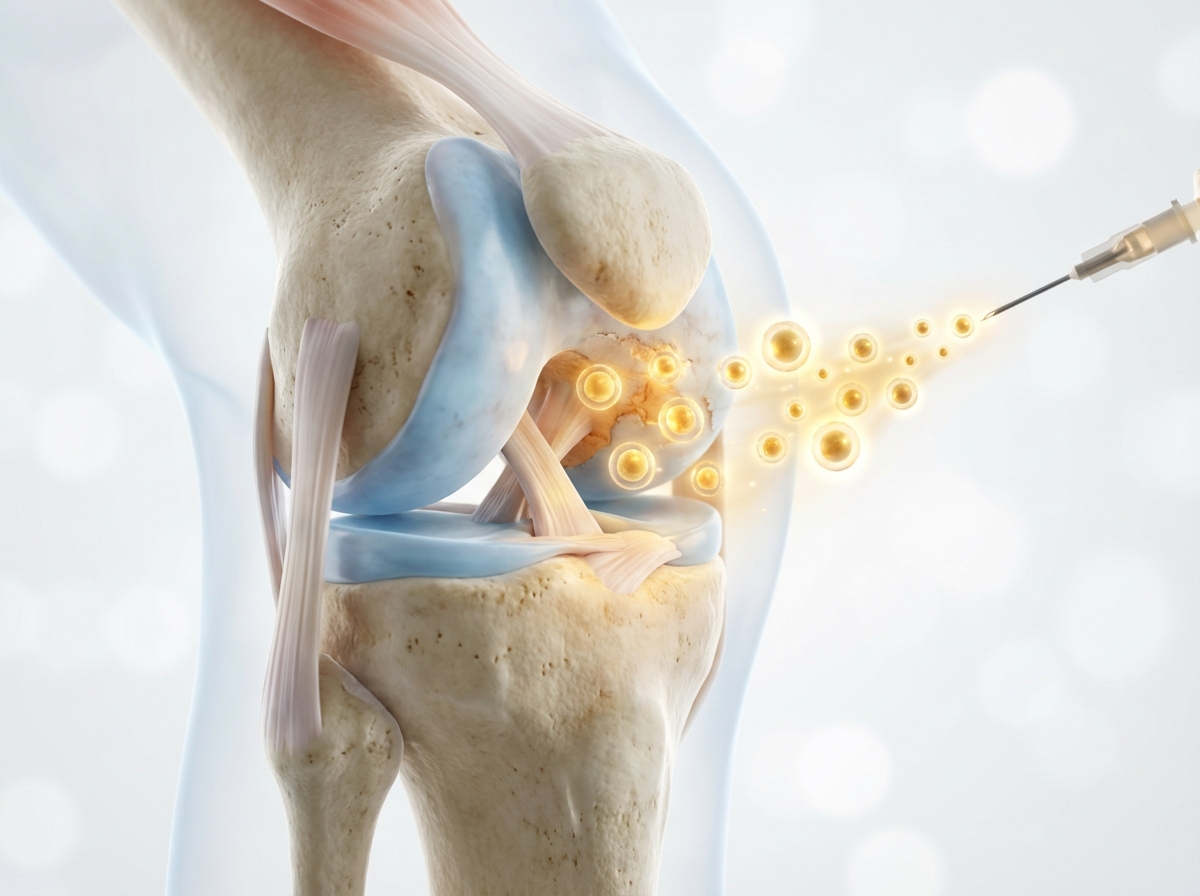
Stem Cell Therapy for Joint Pain: A Comprehensive 2026 Guide to Science, Safety, and Effectiveness
Introduction
Stem cell therapy represents one of the most discussed frontiers in orthopedic medicine, offering the potential for tissue repair and regeneration in patients suffering from debilitating joint pain. As a form of regenerative medicine, this treatment harnesses the body’s own cellular machinery to address damage that traditional treatments often cannot reverse.
The scope of joint pain in modern society is staggering. Chronic pain affects approximately 24.3% of the adult population, while osteoarthritis alone impacts over 32.5 million Americans, creating a healthcare burden exceeding $136 billion annually in the United States. These numbers underscore the urgent need for effective treatment alternatives beyond pain medications, corticosteroid injections, and surgical interventions.
The appeal of stem cell therapy lies in its promise as a non-surgical alternative that could potentially address the underlying cause of joint deterioration rather than simply masking symptoms. However, patients and practitioners alike must approach this treatment modality with realistic expectations grounded in scientific evidence.
This comprehensive guide provides evidence-based information on the mechanisms, effectiveness, safety profile, and regulatory status of stem cell therapy for joint pain as of 2026. While the field shows genuine promise, it is essential to note that stem cell therapy remains largely investigational for orthopedic applications, with ongoing research continuing to refine understanding of its true therapeutic potential.
Understanding Stem Cells: The Basics of Regenerative Medicine
Stem cells possess two unique properties that distinguish them from other cell types: the capacity for self-renewal and the ability to differentiate into specialized cell types. These characteristics make them particularly attractive for regenerative medicine applications where damaged tissues require repair or replacement.
In orthopedic applications, mesenchymal stem cells (MSCs) serve as the primary cell type used in treatments. According to research published in PMC, MSCs can differentiate into osteoblasts, chondrocytes, fibroblasts, tenocytes, and other mesenchymal cell types essential for musculoskeletal health.
MSCs can be harvested from several sources, each with distinct characteristics:
- Bone marrow: The traditional source, obtained through aspiration from the iliac crest
- Adipose tissue: Fat-derived cells obtained through liposuction procedures
- Umbilical cord: Collected from donated umbilical cord tissue
- Synovial fluid: Harvested from joint fluid
Notably, adipose tissue contains significantly more stem cells than bone marrow—studies report 100 to 500 times more—making it an increasingly preferred source for many practitioners seeking higher cell yields.
The distinction between autologous (patient’s own) and allogeneic (donor) stem cells carries significant implications for treatment. Autologous treatments minimize immune rejection risks, while allogeneic products offer standardization and availability advantages.
Emerging technologies like induced pluripotent stem cells (iPSCs) represent the next frontier, with products like SN101 currently advancing through clinical development stages. Additionally, allogeneic adipose-derived MSC products such as MAG200 are progressing through clinical trials.
Why Joint Pain Is So Difficult to Treat: The Cartilage Challenge
Understanding why cartilage presents such a formidable treatment challenge requires examining its unique biological characteristics. Unlike most tissues in the body, cartilage possesses an extremely limited capacity for self-repair.
Three fundamental properties explain this limitation:
- Avascular nature: Cartilage lacks blood supply, preventing healing factors from reaching damaged areas
- Aneural structure: The absence of nerve endings means damage often goes undetected until significant deterioration occurs
- Alymphatic composition: Without lymphatic drainage, inflammatory debris accumulates
Healthy cartilage consists of chondrocytes (cartilage cells) embedded within an extracellular matrix containing type II collagen, proteoglycans, and glycosaminoglycans. This sophisticated architecture provides the smooth, durable surface essential for pain-free joint movement.
The distinction between hyaline cartilage and fibrocartilage proves critical in evaluating treatment outcomes. Hyaline cartilage—the original joint surface material—possesses superior biomechanical properties compared to fibrocartilage, which often forms during natural healing processes. Research from Stanford Medicine highlights efforts to direct stem cells toward hyaline cartilage formation rather than inferior fibrocartilage.
Osteoarthritis progressively degrades this cartilage along with underlying bone, creating a cascade of inflammation, pain, and functional limitation. Traditional treatments—including pain medications, corticosteroid injections, and surgery—address symptoms but fail to restore the original tissue architecture, establishing the rationale for regenerative approaches.
How Stem Cell Therapy Works for Joint Pain
The therapeutic mechanisms of stem cell therapy extend far beyond simple tissue regeneration. Current evidence suggests that MSCs work through multiple complementary pathways, with anti-inflammatory and paracrine effects potentially more significant than direct cartilage regeneration.
Differentiation Capacity: MSCs can become chondrocytes, osteoblasts, and other cell types necessary for joint repair. However, research published in Nature notes that therapeutic effects are often unstable partly due to cellular heterogeneity.
Paracrine Effects: MSCs secrete bioactive factors that recruit the body’s own stem cells to injury sites and maintain healthy chondrocyte function. This indirect mechanism may account for much of the observed clinical benefit.
Anti-inflammatory Mechanisms: MSCs release cytokines that reduce joint inflammation, addressing a primary driver of osteoarthritis pain and progression.
Immunomodulation: MSCs modulate immune responses within the joint, potentially slowing disease progression.
Growth Factor Secretion: MSCs produce bone morphogenetic protein (BMP), transforming growth factor-beta (TGF-β), and vascular endothelial growth factor (VEGF), all essential for tissue repair processes.
Extracellular Matrix Production: According to PMC research, MSCs produce extracellular matrix molecules critical for cartilage function, including type II collagen, aggrecan, proteoglycans, and glycosaminoglycans.
Joint Conditions Treated with Stem Cell Therapy
Stem cell therapy has been applied to numerous orthopedic conditions with varying levels of evidence:
Degenerative Conditions:
- Knee osteoarthritis
- Hip osteoarthritis
- Shoulder arthritis
- Degenerative disc disease
Soft Tissue Injuries:
- Meniscal tears
- Tendon and ligament injuries
- Rotator cuff injuries
- Cartilage defects and osteochondral lesions
Patient selection significantly influences outcomes. Individuals with mild-to-moderate osteoarthritis (Kellgren-Lawrence grades 2-3) typically demonstrate better responses than those with advanced disease. Patients with “bone-on-bone” arthritis may not be suitable candidates, as insufficient cartilage substrate exists for regenerative processes to act upon.
The Stem Cell Treatment Process: What to Expect
The treatment journey typically follows a structured protocol beginning with comprehensive evaluation:
Initial Consultation: Thorough assessment including medical history review, physical examination, and imaging analysis to determine candidacy and establish baseline measurements.
Harvesting Procedures: Depending on cell source, patients undergo either bone marrow aspiration (typically from the pelvis) or adipose tissue extraction through mini-liposuction. Both procedures are performed under local anesthesia.
Processing: Harvested material undergoes concentration and separation to isolate the stem cell-rich fraction.
Injection: Cells are precisely delivered to the affected joint using ultrasound or fluoroscopic guidance to ensure accurate placement.
Recovery Timeline: Improvement may begin within 6 weeks, with optimal results typically observed between 6-12 months post-treatment. The procedure is generally outpatient with minimal downtime.
Post-treatment protocols emphasize activity modification, physical therapy, and complementary therapies to optimize outcomes.
Clinical Evidence: What the Research Shows in 2026
The evidence base for stem cell therapy continues to evolve, with several landmark studies shaping current understanding.
The MILES study (2023-2024), involving 480 patients, represents the largest randomized controlled trial to date. Published findings reviewed by Duke Health revealed that MSC injections offered the same level of benefit as corticosteroid injections for knee osteoarthritis at 12 months, with no demonstrated superiority.
A 2025 Cochrane review analyzing 25 randomized trials with 1,341 participants concluded that stem cell injections may slightly improve pain and function in knee osteoarthritis, though this conclusion was based on low-certainty evidence.
The American Academy of Orthopaedic Surgeons maintains that evidence supporting stem cell treatments remains limited, with insufficient demonstration of clinical benefit for routine recommendation.
Studies examining umbilical cord-derived MSCs have shown repeated dosing superior to single-dose administration, suggesting treatment protocols may require optimization.
Safety Profile and Potential Risks
Safety data from major trials provides reassurance while highlighting important considerations.
The MILES study, as reported by Emory University, found no study-related serious adverse events or symptomatic knee infections across treatment groups.
Common minor adverse events include:
- Temporary pain at injection site
- Swelling
- Stiffness
A 2024 study of 50 patients reported that 28% experienced adverse events, with 8% classified as serious.
The FDA has issued warnings about unapproved regenerative medicine therapies, documenting cases of blindness, tumor formation, and infections from improperly administered treatments.
Autologous treatments generally carry lower risk of immune rejection compared to allogeneic products. The distinction between FDA-compliant minimally manipulated cells and expanded or cultured products carries significant safety implications.
FDA Regulation and the Current Legal Landscape
As of 2026, no stem cell products using engineered or expanded MSCs have received FDA approval specifically for orthopedic applications. This regulatory reality shapes the treatment landscape significantly.
The FDA’s 361 HCT/P regulation governs minimally manipulated autologous cells, while expanded or cultured products require more rigorous approval pathways under the Cellular & Gene Therapy Products framework.
A significant development occurred in July 2025 when Florida became the first state to allow physicians to perform FDA-unapproved stem cell therapy for orthopedic conditions, wound care, and pain management under specific regulations. This creates ongoing federal-state regulatory tensions that patients must navigate carefully.
Comparing Stem Cell Therapy to Other Treatment Options
Stem cell therapy exists within a broader landscape of regenerative and traditional treatment options:
| Treatment | Mechanism | Evidence Level |
|---|---|---|
| Stem Cells | Regeneration, anti-inflammatory | Moderate |
| PRP | Growth factor concentration | Moderate |
| Hyaluronic Acid | Joint lubrication | Established |
| Corticosteroids | Anti-inflammatory | Established |
| BMAC | Autologous cell concentrate | Limited |
The MILES study demonstrated similar outcomes between stem cells and corticosteroids, challenging assumptions about regenerative superiority.
Combination therapies incorporating stem cells with scaffolds, growth factors, or other biologics represent an active area of investigation.
Emerging Innovations and the Future of Stem Cell Therapy
The regenerative medicine field continues advancing rapidly. As reported by ScienceDaily, SN101 represents an innovative iPSC-derived therapy using nociceptors that act as “pain sponges,” absorbing inflammatory factors while releasing regenerative molecules.
According to REPROCELL, over 1,200 patients have been dosed in pluripotent stem cell trials with encouraging safety profiles.
Additional innovations include:
- Exosome therapy (cell-free regenerative approach)
- Gene-modified stem cells
- 3D bioprinting for cartilage regeneration
- Off-the-shelf allogeneic products
Cost Considerations and Insurance Coverage
Treatment costs typically range from $3,000 to $10,000 per joint, varying based on cell source, processing methods, imaging guidance, and provider expertise.
Insurance coverage remains unavailable for most stem cell treatments due to their investigational status. Patients should obtain detailed cost breakdowns before proceeding and exercise caution with significantly lower-cost options, which may indicate less rigorous protocols.
Choosing the Right Provider for Stem Cell Therapy
Selecting a qualified provider requires careful evaluation:
- Verify board certification in orthopedics or related specialties
- Confirm imaging guidance (ultrasound or fluoroscopy) for injection accuracy
- Inquire about cell sourcing and processing protocols
- Ask about outcomes tracking and follow-up procedures
- Verify regulatory compliance with FDA guidelines
Patients should avoid providers making unrealistic promises or using “miracle cure” language inconsistent with current evidence.
Frequently Asked Questions About Stem Cell Therapy for Joint Pain
Is stem cell therapy FDA-approved for joint pain?
No, stem cell therapy remains investigational for orthopedic applications as of 2026.
How effective is stem cell therapy compared to other treatments?
The MILES study showed similar results to corticosteroids, with modest improvements reported in some studies.
How long do results last?
Variable; some patients report benefits lasting 1-2+ years, though more research is needed.
Can stem cell therapy regrow cartilage?
Limited evidence supports true cartilage regeneration; anti-inflammatory effects may be the primary mechanism.
Who is a good candidate?
Patients with mild-to-moderate osteoarthritis seeking surgery alternatives who have failed conservative treatment.
Conclusion: Making an Informed Decision About Stem Cell Therapy
Stem cell therapy for joint pain shows genuine promise while remaining investigational with modest clinical evidence as of 2026. Current research demonstrates that stem cells perform similarly to established treatments like corticosteroids, tempering expectations while still offering potential benefits for appropriate candidates.
Patients with mild-to-moderate joint degeneration who seek non-surgical alternatives may find stem cell therapy worth considering, provided they choose qualified providers following regulatory guidelines. Thorough consultation including imaging review and discussion of all treatment options remains essential.
Explore Advanced Regenerative Medicine Options at Unicorn Biosciences
Unicorn Biosciences offers expertise in cell therapies and orthopedic care through a personalized treatment approach. The practice provides comprehensive evaluation, imaging review, and tailored protocols utilizing precision-guided injections with ultrasound or fluoroscopy for optimal accuracy.
Treatment options include stem cells, exosomes, PRP, BMAC, hyaluronic acid, and peptide therapies. All treatments are U.S.-based with nationally licensed providers adhering to FDA guidelines.
Convenient locations across Texas, Florida, and New York, plus virtual consultations, make access straightforward. The team includes physicians trained at prestigious institutions including Johns Hopkins and Hospital for Special Surgery.
Schedule a consultation to discuss whether regenerative medicine is right for joint pain management.
Contact: (737) 347-0446
Schedule Your Consultation Today!