
Stem Cell Therapy for Back Pain: The Spinal Condition-to-Protocol Framework That Matches Your Exact Diagnosis to the Right Cellular Treatment in 2026
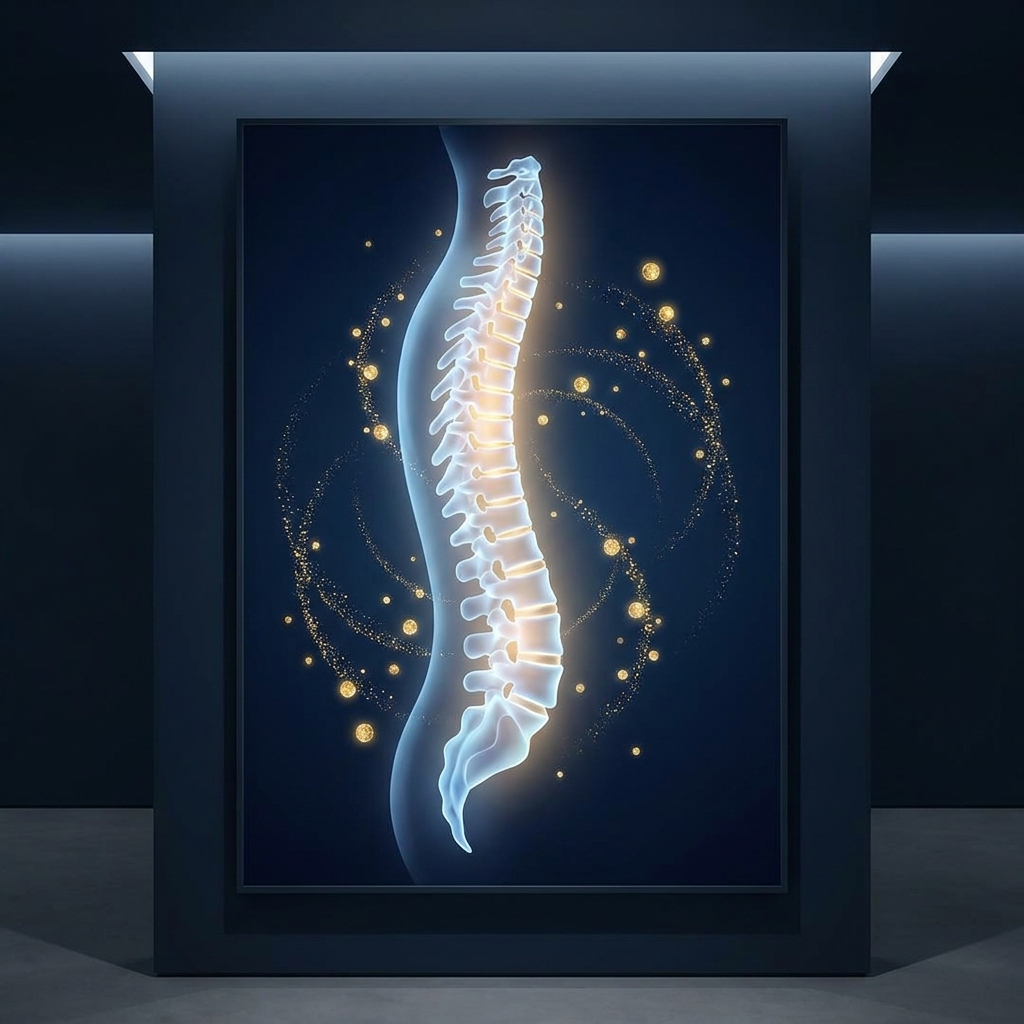
Stem Cell Therapy for Back Pain: The Spinal Condition-to-Protocol Framework That Matches Your Exact Diagnosis to the Right Cellular Treatment in 2026
Introduction: Why ‘Stem Cell Therapy for Back Pain’ Means Something Different Depending on Your Diagnosis
Low back pain is the single most disabling health condition on the planet. In 2020, roughly 619 million people worldwide lived with low back pain, and that figure is projected to climb to 843 million by 2050, according to the Global Burden of Disease Study. In the working-age population alone, prevalence has surged to 452.8 million cases, a 52.66% increase since 1990. Behind every one of those numbers is a person searching for a real solution.
The phrase “stem cell therapy for back pain” implies a single treatment for a single condition. In reality, patients searching for this therapy are rarely dealing with the same diagnosis. Degenerative disc disease, facet joint arthropathy, sacroiliac joint dysfunction, and failed back surgery syndrome each have distinct biology, distinct pain generators, and distinct treatment requirements.
This article introduces a condition-stratification framework: a structured way of mapping a specific spinal diagnosis to the appropriate mesenchymal stem cell (MSC) source, validated cell dose ranges, and evidence-based patient-selection criteria. The 2025 and 2026 clinical evidence shows genuine, statistically significant improvements in pain and disability, alongside important caveats that any honest discussion must include.
For readers who have already consulted spine specialists, the language here will be familiar. Pfirrmann grading, Oswestry Disability Index (ODI) scores, Visual Analog Scale (VAS) thresholds, and MSC biology are all addressed directly. The goal is not to promote stem cell therapy generically; it is to help readers determine whether their specific diagnosis, severity, and clinical profile make them a strong candidate.
The Biology of Spinal Degeneration: Why Conventional Treatments Leave a Critical Gap
Degenerative disc disease and related spinal conditions are fundamentally molecular and cellular problems. At the core sits the loss of nucleus pulposus cell viability, the breakdown of the extracellular matrix, an upregulation of inflammatory cytokines, and progressive disc dehydration. The disc literally dries out and loses its structural integrity.
Notably, the intervertebral disc contains its own resident multipotent stem and progenitor cells within the nucleus pulposus and annulus fibrosus. These cells decline with age, which helps explain why the disc gradually loses its capacity for self-repair and why delivering exogenous stem cells is being explored as a therapeutic strategy.
Conventional treatments do not address this root biology. NSAIDs, epidural steroid injections, physical therapy, and spinal fusion either manage symptoms or restore structural stability; none of them reverse the underlying molecular degeneration. That is the critical gap. When weighing these options, understanding regenerative medicine vs. surgery outcomes can help patients make more informed decisions.
The scale of unmet need is substantial. An estimated 80% of people will experience low back pain in their lifetime, and degenerative discopathy is responsible for roughly 40% of chronic cases. MSC therapy is designed to target the root cause rather than mask symptoms, which is precisely what distinguishes it from conventional care.
How Mesenchymal Stem Cells Actually Work in the Spine: The Molecular Mechanisms
A common misconception is that MSCs work by transforming into new disc cells. In clinical reality, the dominant mechanism is paracrine signaling, not differentiation. The cells act primarily as biological signaling factories.
According to research reviewed in regenerative spine literature, MSCs operate through five key mechanisms:
- Paracrine signaling via secreted growth factors, cytokines, and extracellular vesicles
- Immunomodulation that recalibrates the local immune response
- Anti-inflammatory cytokine suppression
- Disc extracellular matrix restoration
- Neuropathic pain suppression
On the inflammatory front, MSCs downregulate pro-inflammatory mediators such as TNF-α, IL-1β, and IL-6, the very molecules that drive disc degeneration and sensitize pain pathways. They also secrete trophic factors that stimulate resident nucleus pulposus cells to resume proteoglycan and collagen synthesis, partially restoring disc hydration and height.
For matrix restoration specifically, growth factors including TGF-β, IGF-1, and BMP-2 promote production of aggrecan and type II collagen, the structural proteins that give discs their load-bearing capacity.
There is an honest challenge here. The disc is avascular, low in oxygen, acidic, and under constant mechanical stress. These hostile conditions limit transplanted cell survival and remain an active area of research. Preclinical animal models uniformly demonstrate meaningful regeneration, including disc height restoration, yet clinical translation has been more modest. Setting realistic expectations from the outset is essential.
The Three MSC Sources: Bone Marrow, Adipose Tissue, and Umbilical Cord
Source selection is not a trivial detail. Different MSC sources carry different cell yields, harvest profiles, and bodies of clinical evidence, and the right choice depends on both the condition and the patient.
Bone Marrow-Derived MSCs (BM-MSCs): The Most Clinically Validated Option
BM-MSCs are harvested through bone marrow aspiration from the iliac crest under local anesthesia, typically with same-day processing. They are the most studied source in spinal applications, anchored by the DREAM Study, a Phase IIB double-blind RCT of 52 patients published in June 2025, which showed significant disc height index increases at 3 and 6 months with no major adverse events.
BM-MSCs offer strong immunomodulatory properties and well-characterized differentiation potential. Validated dose ranges in clinical trials run from 2×10⁶ to 4×10⁷ cells per disc level. The primary limitations are that harvest involves a minor invasive procedure and cell yield declines with patient age. Understanding the differences between BMAC vs. PRP for bone healing can also help clarify which approach is most appropriate for a given patient.
Best-fit conditions: degenerative disc disease (especially Pfirrmann Grade III–IV) and discogenic low back pain with imaging-confirmed disc involvement.
Adipose-Derived MSCs (ASCs): High Cell Yield with Emerging Spinal Evidence
ASCs are harvested via a mini-liposuction procedure, usually from the abdomen or flank, yielding a high volume of stromal vascular fraction (SVF) rich in MSCs. The key advantage is yield: adipose tissue produces significantly more MSCs per harvest volume than bone marrow, which makes ASCs attractive for multi-level treatments.
A registered randomized controlled trial (NCT03513731) comparing adipose-derived stem cell injection against corticosteroid for lumbar facet joint osteoarthritis demonstrates clinical interest in ASCs for facet-specific conditions. Their robust anti-inflammatory properties make them particularly well-suited for facet arthropathy and SI joint dysfunction, where immunomodulation is a primary goal. Spinal-specific trial data for ASCs is less mature than for BM-MSCs, though the broader orthopedic evidence base is substantial.
Best-fit conditions: facet joint arthropathy, sacroiliac joint dysfunction, and multi-level treatments where cell yield matters.
Umbilical Cord-Derived MSCs (UC-MSCs): The Allogeneic Option
UC-MSCs are allogeneic, meaning they are donor-derived from consented birth tissue, so no harvest procedure is required from the patient. These cells offer high proliferative capacity, potent immunomodulatory properties, and immune-privileged status that reduces rejection risk.
The RESPINE EU Phase 2b trial treated 112 patients across France, Italy, Spain, and Germany using 20 million allogeneic BM-MSCs. While it did not meet its primary endpoint, it provided critical safety data. Allogeneic products face more stringent FDA oversight as biologics under Section 351, which affects U.S. availability, and spinal-specific UC-MSC data remains emerging.
Best-fit conditions: patients who are poor candidates for autologous harvest (advanced age, poor bone marrow quality, or limited adipose availability) or those participating in clinical trials.
The Condition-to-Protocol Framework: Matching a Spinal Diagnosis to the Right Treatment
Rather than treating “back pain” as a monolith, sophisticated patient selection requires mapping the specific diagnosis, severity grade, and clinical profile to the appropriate protocol. Three diagnostic tools anchor this process: the Pfirrmann grading system for disc degeneration severity on MRI, the Oswestry Disability Index (ODI) for functional impairment, and the Visual Analog Scale (VAS) for pain intensity.
These metrics are not arbitrary. Both the 2025 NASSJ systematic review of 1,299 patients and the British Medical Bulletin systematic review of 303 patients used them as primary outcomes.
Degenerative Disc Disease (DDD): The Primary Indication
DDD has the strongest and most mature evidence base for intradiscal MSC therapy. Pfirrmann grading guides candidacy: Grades I–II (normal to mild) typically need no intervention; Grades III–IV (moderate degeneration with signal loss and disc height reduction) represent the optimal treatment window; Grade V (severe collapse) is generally a surgical indication.
The IJSS 2025 systematic review of 283 discogenic LBP cases found significant improvement in ODI and VAS (P < 0.00001) and MRI Pfirrmann grade improvement (P = 0.005). The DREAM Study showed significant disc height index increases at 3 and 6 months, and IDCT trial data reported 62.8% pain reduction and a 249mm³ disc volume increase at 1 year in 60 U.S. patients.
Preferred source: BM-MSCs. Dose range: 2×10⁶ to 4×10⁷ cells per disc level.
Selection thresholds: Pfirrmann Grade III–IV, VAS ≥ 4/10, ODI ≥ 21%, failure of conservative care for 3–6 months, and no structural instability requiring surgery.
Facet Joint Arthropathy: Targeting the Posterior Element
Facet joint arthropathy (also called facet syndrome) is a distinct pain generator characterized by cartilage breakdown, synovial inflammation, and osteophyte formation in the posterior spinal joints. MSCs address it through the same anti-inflammatory and matrix-restorative mechanisms, with the target tissue being articular cartilage and synovium.
Facet injections are technically straightforward under fluoroscopic or CT guidance, building on a well-established procedural framework. Facet arthropathy frequently coexists with DDD, so comprehensive evaluation is needed to identify the dominant pain generator.
Preferred source: ASCs or BM-MSCs, delivered as intra-articular injection.
Selection considerations: confirmed facet-mediated pain (positive diagnostic medial branch block), imaging evidence of facet arthrosis, and failure of conservative care and corticosteroid injections.
Sacroiliac Joint Dysfunction: An Underrecognized Candidate
SI joint dysfunction is a significant but frequently underdiagnosed cause of low back and buttock pain, accounting for an estimated 15–30% of chronic LBP cases. SI joint degeneration involves cartilage loss, ligamentous laxity, and inflammatory changes, all theoretically addressable by MSC therapy. The joint is accessible for image-guided injection, and the biological rationale parallels that for facet arthropathy.
Preferred source: ASCs or BM-MSCs, intra-articular under fluoroscopic guidance.
Selection considerations: confirmed SI joint pain (positive provocative tests and diagnostic injection), absence of inflammatory spondyloarthropathy, and failure of physical therapy and conventional injections. This remains an emerging indication where evidence is still developing.
Post-Surgical Failed Back Syndrome: The Underserved Population
Failed back surgery syndrome (FBSS) is persistent or recurrent pain following technically successful spinal surgery. This is a large, highly motivated population with limited conventional options remaining. The biological rationale centers on post-surgical epidural fibrosis, adjacent segment degeneration, and ongoing inflammatory pain, all theoretically responsive to MSC-mediated immunomodulation.
FBSS is complex. Patient selection must carefully distinguish structural recurrence (requiring revision surgery) from biological or inflammatory pain (potentially amenable to regenerative therapy).
Preferred source: depends on the specific pain generator; comprehensive evaluation is essential.
Selection considerations: confirmed non-structural pain source, no hardware failure or instability, typically at least 12 months since index surgery, and failure of post-surgical rehabilitation.
Patient Selection Criteria: The Clinical Profile That Predicts the Best Outcomes
Synthesizing the criteria validated across the major 2025–2026 reviews produces a clear profile.
Optimal candidates:
- Pfirrmann Grade III–IV disc degeneration on MRI
- VAS pain score ≥ 4/10
- ODI score in the moderate range (21–60%)
- Failed conservative care for 3–6 months
Favorable demographic factors: age under 65 (not an absolute cutoff), non-smoker status (smoking impairs MSC survival and disc vascularity), and a healthy BMI (obesity increases mechanical loading and inflammatory burden).
Exclusion criteria: Pfirrmann Grade V collapse, active spinal infection or malignancy, significant instability or spondylolisthesis requiring surgical stabilization, severe stenosis with neurological compromise, and bleeding disorders or immunosuppressive therapy incompatible with cell therapy.
These criteria matter. The British Medical Bulletin systematic review of 14 studies and 303 patients found that studies selecting patients with Pfirrmann Grade III–IV and mild-to-moderate pain achieved the most consistent VAS and ODI improvements (P < 0.0001). A thorough evaluation, including MRI review, clinical history, and functional assessment, is essential before determining candidacy.
What the 2025–2026 Clinical Evidence Actually Shows: An Honest Assessment
Credibility requires acknowledging both the promising findings and the limitations.
The 2025 NASSJ Systematic Review: 1,299 Patients Across 13 Studies
This PRISMA-compliant review in the North American Spine Society Journal analyzed 13 clinical studies from 2011 to 2025, enrolling 1,299 patients. It found modest but statistically significant improvements in pain (VAS) and disability (ODI), with an acceptable short-to-mid-term safety profile. Cell doses ranged from 2×10⁶ to 4×10⁷ per disc, with follow-ups from 12 months to 6 years.
The key caveat: compelling imaging evidence of biological disc repair remains limited in clinical studies, even when preclinical models show clear disc height and ECM restoration. Serious adverse events were rare. The review supports MSC therapy as promising for carefully selected DDD patients while calling for larger, longer-term RCTs.
The DREAM Study and Other Key 2025 Trials
The DREAM Study (JOR Spine, June 2025) was a Phase IIB double-blind RCT of 52 patients with moderate-to-advanced multilevel DDD. BM-MSC injections were well-tolerated with no major adverse events and produced significant disc height index increases at 3 and 6 months, making it one of the few clinical studies to show imaging-level structural response.
A September 2025 meta-analysis of 7 RCTs (518 patients) showed statistically significant VAS and ODI improvements versus control, with a low incidence of serious adverse events. The RESPINE trial provided critical safety data despite missing its primary endpoint.
On the regulatory front, the FDA granted Fast Track designation in August 2025 to CELZ-201-DDT for chronic LBP from DDD, based on ADAPT trial data showing statistically significant pain reduction versus placebo. The newly registered 2026 RenewDisc trial (NCT07338877) combines endoscopic discectomy with autologous stem cell therapy, and a $140 million Phase III trial announced in January 2026 signals the field’s maturation.
The Gap Between Preclinical Promise and Clinical Reality
Animal studies consistently show meaningful regeneration: increased disc height, improved hydration, reduced inflammation, and ECM restoration. Clinical translation has been more modest. The hostile disc microenvironment (avascular, low-oxygen, acidic, and mechanically loaded) limits transplanted cell survival.
The clinical mechanism appears primarily paracrine (symptom modification via anti-inflammatory signaling) rather than structural regeneration, which is why pain and disability improvements often precede or exceed imaging changes. Success rates vary widely (40–85%) by condition severity, patient selection, cell source, and protocol, with overall 6-month success rates averaging roughly 40.7% in broader analyses. This honest assessment is not a reason to dismiss the therapy; it is a reason to ensure rigorous selection. Additionally, 30–40% of patients experience a temporary pain flare in the first week, a normal inflammatory response that patients should anticipate. Patients considering treatment should also review stem cell injection side effects and risks as part of their informed decision-making process.
The Procedure: What to Expect from Evaluation Through Recovery
Pre-Procedure Evaluation and Candidate Confirmation
The process begins with a comprehensive evaluation: MRI review and Pfirrmann grading, clinical history, ODI and VAS scoring, physical examination, and assessment of prior treatments. Personalized planning incorporates inflammation levels, age, injury type and location, current medications, and personal health goals. Image guidance (ultrasound or fluoroscopy) is essential for accurate delivery and is a critical quality differentiator. At Unicorn Bioscience, virtual consultations are available for initial evaluation, with in-person assessment required before treatment.
Cell Harvest and Processing
For autologous treatments, BM-MSCs are harvested via iliac crest aspiration and ASCs via mini-liposuction, both under local anesthesia on the day of treatment. The material is processed to concentrate the MSC-rich fraction (BMAC for bone marrow, SVF for adipose) before injection. Allogeneic UC-MSC products require no harvest procedure. Same-day treatment is available for qualified candidates.
Image-Guided Injection and Post-Procedure Protocol
The concentrated cell preparation is delivered under image guidance to the target structure (intradiscal, intra-articular facet, or SI joint). Image guidance is non-negotiable for spinal injections, as accurate delivery is essential for both safety and efficacy. Most patients return to light activity within 24–48 hours, with strenuous activity restricted for 2–4 weeks. The temporary pain flare affecting 30–40% of patients in the first week is a normal inflammatory response, not a sign of treatment failure. Concurrent physical therapy and structured rehabilitation are associated with better outcomes and should be part of the protocol. Follow-up includes clinical reassessment at 1, 3, and 6 months, with repeat MRI at 6–12 months.
Emerging Frontiers: Combination Protocols and the Next Generation of Spinal Regenerative Medicine
Combination therapy is a promising frontier. MSC therapy paired with PRP or biomaterial scaffolds shows synergistic potential in preclinical models. PRP provides a growth-factor-rich environment that may enhance MSC survival in the hostile disc, potentially improving outcomes. The RenewDisc trial exemplifies the surgical-regenerative combination approach, while biomaterial scaffolds are being studied as delivery vehicles that protect transplanted cells.
These approaches are not yet standard of care, but they signal the field’s direction. Providers with multi-modal capabilities, including PRP, BMAC, and exosomes, are better positioned to offer these evolving protocols. Exosome therapy in particular offers a cell-free alternative that harnesses the paracrine signaling mechanism without live cell transplantation.
The FDA Regulatory Landscape in 2026: What Patients Need to Understand
As of 2026, no stem cell therapy for back pain has received full FDA approval. This is not a reason to avoid therapy, but patients must understand what they are consenting to. The FDA uses a two-tiered HCT/P system: Section 361 covers minimally manipulated, homologous use (lower regulatory burden), while Section 351 covers non-homologous use (full premarket review as a biologic).
Intradiscal stem cell injection is classified as non-homologous use under Section 351, which is why most such therapies are administered within clinical trials or under IRB oversight. The CELZ-201-DDT Fast Track designation in August 2025 marks meaningful regulatory engagement. At the state level, Florida passed a law in July 2025 allowing licensed physicians to use certain FDA-unapproved stem cell therapies in orthopedics and pain management, joining Utah and Texas, though federal regulations still take precedence. Patients in Florida can learn more about how this affects their options through the Florida SB-1768 stem cell treatment guide.
Patients should look for IRB oversight, clinical trial participation, transparent informed consent, and providers who avoid illegal “FDA-approved” claims for intradiscal MSC therapy. There is a meaningful distinction between “FDA-approved,” “FDA-compliant,” and “experimental,” a nuance that most competitor content fails to clarify.
Insurance, Coverage, and Financial Considerations
Stem cell therapy for back pain is not covered by major insurance carriers because it is classified as experimental for spinal indications. Coverage requires FDA approval or strong evidence of medical necessity meeting payer-specific criteria, neither of which currently applies to intradiscal MSC therapy.
This trajectory is common for emerging regenerative treatments, with coverage typically expanding as evidence matures and approvals are obtained. Patients should ask providers about financing options, health savings accounts (HSAs), and flexible spending accounts (FSAs). Requesting a detailed breakdown before committing, including the number of levels treated, cell source, and any combination therapies, is advisable. The $140 million Phase III trial and the CELZ-201-DDT Fast Track designation suggest the coverage landscape may evolve in coming years.
How to Evaluate a Stem Cell Therapy Provider: Questions Every Patient Should Ask
Provider quality varies significantly, so due diligence is essential. Patients should ask:
- Does the provider use image guidance (fluoroscopy or ultrasound) for all spinal injections?
- What cell source and dose will be used, and why is it appropriate for the specific diagnosis?
- How many intradiscal or spinal MSC procedures has the provider performed?
- What is their selection process, and what percentage of evaluated patients are declined?
- Does the provider clearly explain that this therapy is not FDA-approved and give realistic outcome expectations?
- What is the post-procedure monitoring protocol, and will repeat MRI be performed?
- Is rehabilitation integrated, and are combination therapies considered when appropriate?
Red flags to avoid: providers claiming FDA approval for intradiscal stem cell therapy, those who accept all patients without rigorous selection, those who skip image guidance, and those who cannot cite specific clinical evidence for their protocols.
Conclusion: Matching the Diagnosis to the Right Protocol Is the Foundation of Successful Treatment
Stem cell therapy for back pain is not a single treatment. It is a family of condition-specific protocols that must be matched to a patient’s exact diagnosis, severity grade, and clinical profile to achieve the best outcomes. The framework is clear: DDD (Pfirrmann III–IV) points toward intradiscal BM-MSCs; facet arthropathy toward intra-articular ASCs or BM-MSCs; SI joint dysfunction toward intra-articular ASCs or BM-MSCs; and FBSS toward an individualized approach based on the dominant pain generator.
The honest state of the evidence is encouraging but measured. Data from 1,299 patients across systematic reviews and key RCTs shows statistically significant pain and disability improvements with an acceptable safety profile, though structural regeneration on imaging remains inconsistent. Patient selection is the single most important determinant of outcome. The field’s trajectory, marked by FDA Fast Track designation, a $140 million Phase III trial, and a growing body of RCT data, points steadily toward mainstream clinical validation.
Patients who meet the candidacy criteria (Pfirrmann Grade III–IV, failed conservative care, and no structural surgical indication) are encouraged to pursue a comprehensive evaluation with a qualified provider. Unicorn Bioscience is committed to evidence-based, personalized regenerative medicine: the right treatment, for the right patient, at the right time.
Ready to Find Out If You’re a Candidate? Schedule a Personalized Spine Evaluation
If a clinician has diagnosed degenerative disc disease, facet joint arthropathy, sacroiliac joint dysfunction, or failed back syndrome, the next step is a comprehensive evaluation. The Unicorn Bioscience team reviews MRI imaging, assesses Pfirrmann grading along with ODI and VAS scores, and develops a condition-specific protocol rather than a generic treatment plan.
Virtual and in-person consultations are available across eight locations in Texas, Florida, and New York. Patients receive an honest assessment of whether they are a strong candidate, including a clear explanation of what the evidence supports for their specific diagnosis.
To schedule a consultation, call (737) 347-0446 or visit unicornbioscience.com. The goal is not to sell a treatment; it is to help patients make the most informed decision possible about their spinal health, and that starts with the right evaluation.
Schedule Your Consultation Today!