
Stem Cell Therapy El Paso Texas: The Border Region Healthcare Access Reality That Changes Your Treatment Timeline
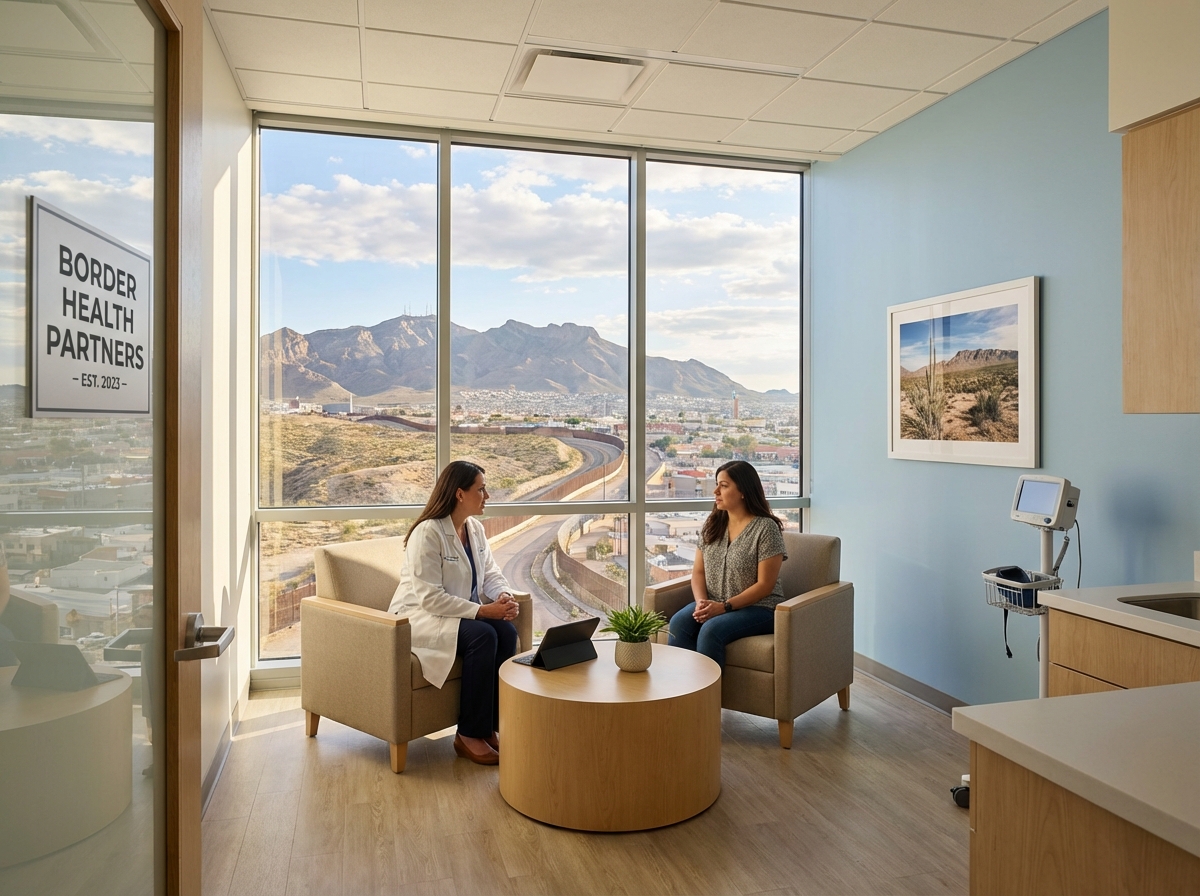
Stem Cell Therapy El Paso Texas: The Border Region Healthcare Access Reality That Changes Your Treatment Timeline
El Paso stands as one of America’s most distinctive healthcare landscapes. With an 80% Hispanic population, a 17.6% poverty rate exceeding the national average of 11.4%, and designation as a Health Professional Shortage Area, residents face healthcare decisions unlike those in any other major Texas city. The border location creates a unique dynamic: one-third of El Paso residents currently cross into Ciudad Juarez for healthcare services due to cost and access barriers.
This cross-border healthcare pattern raises a critical question for those seeking advanced treatments: What if residents could access regenerative medicine locally without sacrificing affordability, quality, or continuity of care?
Unicorn Bioscience’s El Paso location at 11240 Vista Del Sol Suite C addresses the specific healthcare access challenges unique to this border region. This examination explores how stem cell therapy options in El Paso have evolved to serve the border community’s distinct needs, offering an alternative to the cross-border treatment dilemma that has defined healthcare decisions for decades.
The Border Region Healthcare Reality: Why El Paso Residents Face Unique Treatment Decisions
El Paso County’s healthcare access barriers extend beyond typical urban challenges. The Health Professional Shortage Area designation reflects a critical shortage of healthcare professionals serving not just El Paso but 108 West Texas counties. According to TTUHSC El Paso research, many adults in the region simply cannot afford to see a physician.
The statistics paint a stark picture. With 17.6% of residents living in poverty compared to the 11.4% national average, healthcare becomes a luxury rather than a necessity for many families. At University Medical Center, 45% of patients are indigent or uninsured, with another 20% relying on Medicaid.
Financial, structural, and cognitive barriers to healthcare pervade this predominantly Hispanic border community. These barriers create what can be called the “treatment timeline dilemma”—delays caused by cross-border logistics, follow-up care complications, and regulatory uncertainty that can extend treatment timelines by weeks or months.
Understanding Stem Cell Therapy Options in El Paso’s Healthcare Landscape
Stem cell therapy represents a category of regenerative medicine treatments designed to promote tissue healing and repair for orthopedic conditions, chronic pain, and degenerative diseases. These treatments fall into two primary categories:
- Autologous treatments utilize the patient’s own cells, typically harvested from bone marrow or adipose (fat) tissue
- Allogeneic treatments use donor cells from umbilical cord or amniotic tissue sources
Common conditions treated in El Paso include knee osteoarthritis, chronic back pain, shoulder injuries, neuropathy, and sports-related injuries. The treatment landscape continues evolving, with 224 clinical trials globally investigating stem cell therapies for osteoarthritis alone.
Regarding regulatory status, the FDA has not approved stem cell, PRP, or exosome products specifically for orthopedic conditions as of 2026. The FDA has approved certain stem cell transplants for blood disorders. However, substantial clinical evidence supports safety and efficacy when qualified providers administer treatments within FDA regulatory frameworks.
The January 2026 FDA shift toward more flexible cell and gene therapy oversight signals potential changes in the regulatory landscape, though patients should understand current limitations when evaluating treatment options.
Texas Legislation and What It Means for El Paso Patients
Texas operates under a more permissive regulatory environment for stem cell treatments than federal guidelines alone would allow. House Bill 810, signed in 2017, permits investigational stem cell treatments for severe chronic diseases or terminal illnesses with Institutional Review Board oversight.
Recent legislative updates continue refining these regulations. Key requirements include:
- Adult stem cells meeting FDA good manufacturing practices
- IRB oversight for investigational treatments
- Expanded treatment locations to include outpatient settings
This legislative framework expands accessibility while maintaining patient protections that distinguish legitimate clinics from unregulated providers. For El Paso residents, these protections become particularly important when comparing local options against cross-border alternatives with different regulatory standards.
The Cross-Border Treatment Dilemma: Cost vs. Continuity of Care
Cost remains the primary driver of cross-border healthcare decisions. Stem cell therapy in the United States ranges from $5,000 to $50,000 or more depending on procedure complexity. Typical pricing varies based on:
- Single joint injections
- Expanded or IV treatments
- Complex multi-site procedures
Most treatments fall outside insurance coverage, classified as experimental by major carriers. Medicare coverage remains limited to certain stem cell transplantation for blood disorders and certain cancers—not the orthopedic applications most patients seek.
The perceived cost advantage of medical tourism carries hidden expenses: follow-up care complications, regulatory uncertainty affecting treatment quality, travel logistics, and treatment timeline delays that can extend recovery by weeks. When a patient requires additional treatment or experiences complications, crossing the border for follow-up creates cascading delays and coordination challenges.
How Unicorn Bioscience’s El Paso Location Addresses Border-Specific Healthcare Barriers
Unicorn Bioscience’s strategic placement at 11240 Vista Del Sol Suite C positions the clinic to serve El Paso’s unique population. The location offers US-based treatment with FDA regulatory compliance, eliminating the regulatory uncertainty inherent in cross-border care.
The clinic serves the 80% Hispanic population and patients from both sides of the border who seek treatment within the US healthcare system. Same-day treatment protocols accommodate the service-economy work schedules common in El Paso, where taking extended time off for medical procedures creates financial hardship.
The clinic provides an alternative to medical tourism while maintaining quality standards and follow-up care continuity that cross-border treatment cannot guarantee.
Same-Day Protocols and Work Schedule Realities in a Service Economy
El Paso’s employment landscape, dominated by service-sector positions, makes extended medical leave impractical for many workers. Traditional surgical approaches requiring weeks of recovery and multiple appointments create impossible choices between health and income.
Unicorn Bioscience’s same-day treatment capability for qualified candidates addresses this reality directly. The streamlined process begins with virtual or in-person consultation, followed by immediate treatment when clinically appropriate.
Precision-guided injection technology using ultrasound and X-ray guidance ensures accurate, efficient treatment delivery. This imaging integration reduces procedure time while improving accuracy—a technical advantage that translates to faster patient throughput without sacrificing treatment quality.
Multi-Modal Treatment Approach: Personalized Protocols for Border Community Needs
Rather than offering a single treatment option, Unicorn Bioscience provides a comprehensive menu of regenerative therapies:
- Stem Cell Therapy for tissue healing and repair
- PRP (Platelet-Rich Plasma) derived from the patient’s own blood
- BMAC (Bone Marrow Aspiration Concentrate) for concentrated regenerative cells
- Exosome Therapy utilizing extracellular vesicles
- Hyaluronic Acid Injections for joint lubrication
- Peptide Therapy for targeted tissue repair
Treatment planning considers inflammation levels, patient age, injury type and location, current medications, and personal health goals. This personalization allows cost-effective treatment customization rather than one-size-fits-all approaches.
The clinic reports that more than 90% of stem cell patients have not gone on to knee replacement surgery—significant given that studies suggest up to 80% of patients told they need total knee replacement may not actually require surgery.
Follow-Up Care Continuity: The Critical Difference in Treatment Outcomes
Regenerative medicine success depends heavily on appropriate follow-up care. When treatment and follow-up occur within the same healthcare system, providers can monitor progress, adjust protocols, and address complications promptly.
Cross-border treatment disrupts this continuity. Communication barriers, logistical challenges, and regulatory gaps between US and Mexican healthcare systems create follow-up complications that can undermine initial treatment success.
Local treatment eliminates these barriers. The treatment timeline advantage extends from initial consultation through complete recovery without border-crossing delays, documentation challenges, or coordination failures between disparate healthcare systems.
Safety Considerations and Choosing a Legitimate Provider
The proliferation of stem cell clinics requires careful provider selection. With numerous clinics based in Texas, distinguishing legitimate providers from unregulated operations becomes essential for patient safety.
Safety red flags include:
- Unproven claims about treatment outcomes
- Lack of IRB oversight for investigational treatments
- Non-FDA-compliant practices
- Providers without relevant board certifications
Unicorn Bioscience maintains safety standards including board-certified physicians, precision imaging guidance for all injection procedures, and operation within FDA regulatory frameworks. Leadership credentials include Dr. Aldaas’s board certification and over a decade of hospital medicine experience, alongside Josh Simpson’s training in Orthopedic Surgery at Johns Hopkins.
Insurance, Medicare, and Financial Planning
Current insurance coverage reality requires honest assessment. Most stem cell therapies remain classified as experimental, excluded from standard coverage. Medicare specifically covers certain stem cell transplantation for blood disorders—not orthopedic applications.
Financial planning strategies for out-of-pocket costs include:
- HSA/FSA eligibility for qualified medical expenses
- Comparison of total cost of care including follow-up
- Evaluation of treatment value beyond initial price point
The January 2026 FDA flexibility in cell and gene therapy oversight may influence future coverage decisions, though patients should plan based on current realities rather than anticipated changes.
The Future of Regenerative Medicine Access in Border Communities
Current research momentum continues accelerating. The United States hosts ongoing stem cell research trials, part of thousands of global trials investigating these therapies. A $140 million Phase III clinical trial announced in January 2026 may provide the validation needed for broader treatment acceptance.
Increased local access to FDA-compliant regenerative medicine may reduce cross-border healthcare utilization over time. As treatment options expand and costs potentially decrease with wider adoption, border communities stand to benefit from improved healthcare equity through expanded regenerative medicine availability.
Conclusion
El Paso’s unique healthcare challenges—border location, economic barriers, HPSA designation, and established cross-border treatment patterns—demand solutions tailored to local realities. Local access to US-based stem cell therapy eliminates the cross-border treatment dilemma that has complicated healthcare decisions for generations.
The treatment timeline advantage proves significant: same-day protocols, continuity of care, and work-schedule accommodation address the practical barriers that push residents toward cross-border alternatives. FDA regulatory compliance, integrated follow-up care, and personalized treatment planning create a value proposition that extends beyond initial cost comparisons.
Informed decision-making based on total treatment value, safety standards, and long-term outcomes serves patients better than initial cost alone. For El Paso residents facing orthopedic conditions, regenerative medicine options now exist locally that address the border region’s specific healthcare access reality.
Take the Next Step: Explore Stem Cell Therapy Options in El Paso
Residents interested in exploring stem cell therapy options can schedule a consultation at Unicorn Bioscience’s El Paso location at 11240 Vista Del Sol Suite C. Virtual consultation availability allows initial assessment without time off work—addressing the practical scheduling barriers common in El Paso’s service economy.
Same-day treatment remains possible for qualified candidates following comprehensive evaluation.
Contact Unicorn Bioscience at (737) 347-0446 or visit unicornbioscience.com to learn more about personalized treatment protocols designed for El Paso’s border community healthcare needs.
Schedule Your Consultation Today!