
PRP Therapy Guide: Benefits, Costs & What to Expect
Platelet-Rich Plasma (PRP) Therapy: A Comprehensive Guide to This Regenerative Treatment
Introduction
Platelet-rich plasma (PRP) therapy represents one of the most promising developments in regenerative medicine, offering patients a treatment option that harnesses the body’s natural healing capabilities. This innovative therapy uses concentrated platelets from a patient’s own blood to accelerate healing in damaged tissues, providing an alternative approach to traditional treatments for various orthopedic conditions.
PRP has been utilized in medicine for over 40 years, though it has gained significant popularity in orthopedics over the last 10-15 years. High-profile athletes including Tiger Woods and Kobe Bryant have brought considerable attention to the treatment, publicizing their experiences with PRP for sports-related injuries. According to the Hospital for Special Surgery, PRP therapy harnesses and amplifies natural growth factors found in blood cells to help heal damaged tissue.
This comprehensive guide explores how PRP therapy works, its various applications, effectiveness based on current research, safety considerations, costs, and what patients can expect throughout the treatment process. As part of the broader regenerative medicine field, PRP therapy stands alongside other innovative treatments offered at Unicorn Biosciences, where cellular science meets orthopedic innovation.
What Is Platelet-Rich Plasma (PRP) Therapy?
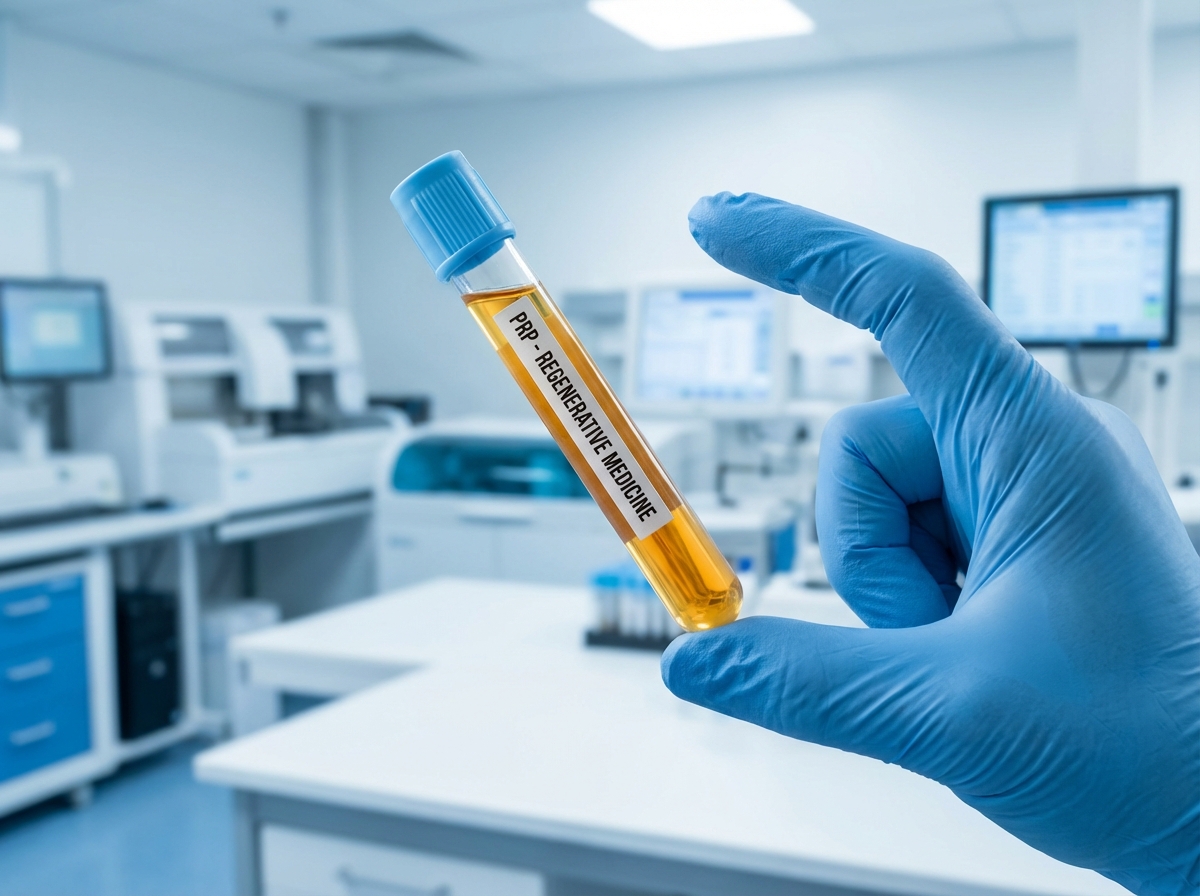
Platelet-rich plasma therapy is an autologous treatment, meaning it uses biological material derived from the patient’s own blood. The American Academy of Orthopaedic Surgeons explains that in PRP preparations, the concentration of platelets can be 5-10 times greater than usual blood levels.
Platelets contain hundreds of proteins called growth factors that play crucial roles in tissue healing and regeneration. The key growth factors present in PRP include:
- PDGF (Platelet-Derived Growth Factor) – Stimulates cell growth and blood vessel formation
- TGF-β (Transforming Growth Factor-Beta) – Promotes tissue repair and collagen production
- VEGF (Vascular Endothelial Growth Factor) – Encourages new blood vessel development
- EGF (Epidermal Growth Factor) – Supports cell proliferation and wound healing
The biological mechanism behind PRP therapy involves these growth factors stimulating cell reproduction and tissue regeneration at injury sites. Research published in PMC indicates that PRP concentrates can stimulate supraphysiological release of growth factors to jump-start healing in chronic injuries that have been slow or resistant to traditional treatments.
How Does the PRP Procedure Work?
The PRP procedure follows a straightforward, three-step process:
- Blood Draw – A medical professional draws a small amount of blood from the patient, typically from the arm
- Centrifugation – The blood sample is placed in a centrifuge, which spins rapidly to separate the platelets from other blood components
- Injection – The concentrated platelet-rich plasma is injected directly into the injury site
According to the Cleveland Clinic, the entire process typically takes about an hour for therapeutic injections. Unicorn Biosciences utilizes precision-guided injections with ultrasound or X-ray technology for enhanced accuracy, ensuring the PRP reaches the exact location where healing is needed most.
Same-day injection appointments are available at Unicorn Biosciences locations, providing convenience for patients seeking treatment. Research consistently shows that multiple injections—typically 2-3 sessions spaced weeks apart—often produce better outcomes than single injections, particularly for conditions like knee osteoarthritis.
Common Orthopedic Applications of PRP Therapy
PRP therapy has demonstrated effectiveness across numerous orthopedic conditions, organized by body region:
Shoulder:
- Rotator cuff injuries
- Shoulder osteoarthritis
Elbow:
- Tennis elbow (lateral epicondylitis)
- Golfer’s elbow (medial epicondylitis)
Hand/Wrist:
- Carpal tunnel syndrome
- Ligament injuries
Spine:
- Degenerative disc conditions
- Facet joint arthritis
Hip:
- Hip osteoarthritis
- Labral tears
Knee:
- Knee osteoarthritis
- Meniscus injuries
- ACL and ligament injuries
Foot/Ankle:
- Achilles tendinopathy
- Plantar fasciitis
Evidence quality varies by condition, with the strongest research support existing for lateral epicondylitis (tennis elbow) and knee osteoarthritis. PRP serves as a non-surgical alternative that can potentially eliminate or delay the need for surgical intervention, making it an attractive option for patients seeking conservative treatment approaches.
PRP for Knee Osteoarthritis
Knee osteoarthritis represents one of the most well-studied applications for PRP therapy. According to recent research from the Orthopaedic Medical Group, meta-analyses from 2024-2025 reveal that PRP produces greater improvements in pain reduction and physical function than hyaluronic acid, particularly in mild to moderate osteoarthritis cases.
A network meta-analysis of 35 studies with 3,104 participants found that PRP and PRP combined with hyaluronic acid were most successful in improving function and alleviating pain after 3, 6, and 12 months of follow-up. PRP provides sustained improvements for 12-24 months, significantly longer than traditional corticosteroid injections.
Research published in Current Reviews in Musculoskeletal Medicine identifies an optimal platelet dose threshold of greater than 10 billion platelets for favorable outcomes in knee osteoarthritis treatment.
PRP for Tendon and Ligament Injuries
Tennis elbow (lateral epicondylitis) demonstrates the strongest research support among tendon conditions treated with PRP. The therapy also shows promise for rotator cuff injuries, Achilles tendinopathy, and plantar fasciitis, though results for Achilles tendinopathy remain mixed based on recent studies.
Patient testimonials frequently highlight accelerated healing times, with some reporting that PRP treatment reduced their expected recovery period by several months. PRP is particularly valuable for chronic injuries that have been slow or resistant to healing through conventional methods.
What Results Can Patients Expect from PRP Therapy?
Johns Hopkins Medicine notes that results are most noticeable after several weeks for joint injections. Patients should understand the following realistic timeline:
- Initial Results: Noticeable improvement typically begins 4-6 weeks post-treatment
- Peak Benefits: Maximum improvement occurs between 3-6 months after injection
- Duration: Results can last 6-24 months depending on the condition and severity
Research from PMC indicates that most significant improvement typically occurs around four months post-injection. Results are not permanent, and patients may require additional injections to maintain benefits. Effectiveness varies by individual factors and specific conditions being treated.
The Recovery Process: What to Expect After PRP Injection
Recovery from PRP therapy occurs in distinct phases:
Phase 1: Initial Inflammatory Response (1-2 weeks)
- Temporary pain, swelling, and bruising at the injection site
- This inflammation is part of the natural healing process
Phase 2: Tissue Regeneration (2-6 weeks)
- Growth factors stimulate new tissue development
- Gradual reduction in symptoms
Phase 3: Strengthening and Remodeling (2-6 months)
- Continued tissue maturation
- Progressive return to normal activities
One significant advantage of PRP therapy is its minimally invasive nature—patients can return to daily activities without extended recovery time. However, patients should avoid NSAIDs (ibuprofen, aspirin) before and after treatment, as these medications can interfere with platelet function and reduce PRP effectiveness.
PRP vs. Other Treatment Options
Understanding how PRP compares to alternative treatments helps patients make informed decisions:
PRP vs. Corticosteroid Injections:
Cortisone provides faster relief, often within days, but PRP offers longer-lasting benefits (6-12+ months vs. weeks to months for corticosteroids). For patients seeking sustained improvement, PRP may represent the superior choice.
PRP vs. Hyaluronic Acid Injections:
Meta-analyses demonstrate that PRP produces greater improvements in pain reduction and physical function for knee osteoarthritis compared to hyaluronic acid alone.
Combination Therapy Approaches:
Research supports combining PRP with hyaluronic acid or physical therapy for enhanced outcomes. Patient testimonials frequently describe avoiding joint replacement surgery through regenerative treatments like PRP.
Unicorn Biosciences offers multiple therapy options—including stem cells, exosomes, PRP, BMAC, hyaluronic acid, and peptides—allowing for personalized treatment plans tailored to each patient’s specific needs.
Safety Profile and Potential Side Effects
PRP is considered a low-risk treatment since it uses the patient’s own blood, minimizing the risk of allergic reactions or disease transmission. Common side effects are generally mild and temporary:
- Pain at the injection site
- Swelling
- Bruising
- Stiffness
A 2024 literature survey revealed that while PRP therapy may involve adverse events including postoperative infections, inflammation, allergic reactions, and nodule development, these occurrences are rare.
Contraindications for PRP therapy include:
- Active infections
- Cancer (especially hematologic malignancies)
- Severe anemia
- Thrombocytopenia (low platelet count)
- Anticoagulant therapy
- Pregnancy
Unicorn Biosciences maintains strict commitment to patient safety with FDA compliance and adherence to U.S. medical standards.
FDA Status and Regulatory Considerations
The FDA has cleared PRP equipment and procedures; however, the therapy itself is not FDA-approved for most uses. PRP is administered under physician discretion as part of standard medical practice. The FDA regulates cell-based products under the Cellular & Gene Therapy Products framework.
Notably, CMS has proposed national coverage for PRP for chronic non-healing diabetic wounds, representing an important step toward broader acceptance. Unicorn Biosciences remains committed to delivering therapies that adhere to strict safety standards while staying at the forefront of regenerative medicine innovation.
Cost and Insurance Coverage
According to Healthline, most insurance companies classify PRP as “investigational” or “experimental” and do not provide coverage. Medicare does not cover PRP injections for any health condition except chronic non-healing diabetic wounds.
Cost considerations:
- Out-of-pocket costs range from $500-$2,500 per injection
- Average cost is approximately $1,000 per injection
- Multiple injections (2-3 sessions) may be needed for optimal results
- Total treatment costs should factor in the number of recommended sessions
Insurance companies decline coverage because researchers are still standardizing protocols and investigating benefits across various conditions.
Who Is a Good Candidate for PRP Therapy?
Ideal candidates for PRP therapy include patients with:
- Orthopedic injuries seeking non-surgical alternatives
- Joint, bone, and soft tissue injuries
- Chronic conditions like arthritis
- Tendon, cartilage, or ligament injuries
- Conditions that have not responded well to conservative treatments
Unicorn Biosciences conducts personalized evaluations considering inflammation levels, age, injury type and location, current medications, and personal health goals. Virtual consultations are available for initial assessment, and treatment plans are tailored to each patient’s unique needs rather than following a one-size-fits-all approach.
Preparing for PRP Treatment
Proper preparation enhances treatment effectiveness:
- Avoid NSAIDs (ibuprofen, aspirin) for at least one week before treatment
- Stay well-hydrated before the procedure
- Bring relevant imaging (X-rays, MRIs, CT scans) to the consultation
- Complete medical history forms prior to the appointment
The consultation process at Unicorn Biosciences includes one-on-one discussion with a specialist, imaging review, and comprehensive medical history evaluation. Same-day injection appointments are available when appropriate, with all treatments guided by ultrasound or X-ray technology for precision.
Current Research and Evidence Base
The evidence base for PRP continues to grow and evolve. A meta-analysis of 24 randomized controlled trials with 1,344 patients found PRP injection significantly improved pain scores compared to control groups for osteoarthritis treatment.
However, Harvard Health notes that well-designed clinical trials published in JAMA 2021 found PRP doesn’t appear to work for certain conditions including ankle osteoarthritis and Achilles tendinitis. Research into PRP has produced mixed results, highlighting the importance of condition-specific evaluation.
Standardization challenges remain, including variability in PRP preparation methods and lack of universal protocols. Ongoing research focuses on optimal platelet dosing and preparation techniques to improve consistency and outcomes.
The Future of PRP and Regenerative Medicine
PRP therapy represents just one component of the rapidly advancing regenerative medicine field. As research continues to refine protocols and identify optimal applications, the potential for combination therapies and improved outcomes grows.
Unicorn Biosciences remains committed to staying at the forefront of cellular therapy innovation, offering multiple regenerative options beyond PRP—including stem cells, exosomes, and peptides—to provide patients with comprehensive treatment possibilities.
Frequently Asked Questions About PRP Therapy
How long does a PRP injection take?
The complete procedure typically takes 30-60 minutes, including blood draw, processing, and injection.
Is PRP therapy painful?
Patients may experience discomfort during the injection and temporary post-procedure pain, which typically resolves within days.
How many PRP injections will be needed?
Most patients benefit from 2-3 sessions spaced several weeks apart.
When will results from PRP appear?
Initial improvement typically appears at 4-6 weeks, with peak benefits occurring at 3-6 months.
Can patients return to work after PRP injection?
Yes, the minimally invasive nature of PRP allows quick return to daily activities.
Does insurance cover PRP therapy?
Generally no—most insurers consider PRP investigational.
What’s the difference between PRP and stem cell therapy?
While both are regenerative treatments, they use different biological components. Unicorn Biosciences offers both options.
Are there any activities to avoid after PRP?
Patients should avoid NSAIDs and follow specific aftercare protocols provided by their physician.
Conclusion
PRP therapy represents a promising regenerative medicine option for various orthopedic conditions. Key benefits include the use of the patient’s own blood (minimizing risk), its non-surgical nature, and longer-lasting results compared to corticosteroid injections.
While evidence is strongest for conditions like lateral epicondylitis and knee osteoarthritis, research continues to evolve. The importance of personalized evaluation cannot be overstated—individual factors, condition severity, and treatment protocols all influence outcomes.
Experience Advanced PRP Therapy at Unicorn Biosciences
Unicorn Biosciences combines orthopedic expertise with cellular science innovation to deliver cutting-edge regenerative treatments. With precision-guided injections utilizing ultrasound and X-ray technology, patients receive accurate, targeted therapy designed for optimal outcomes.
Multiple convenient locations across Texas, Florida, and New York make accessing treatment easier than ever. Each patient receives a personalized treatment plan tailored to their unique circumstances and health goals.
Ready to explore whether PRP therapy is right for you? Schedule a consultation—virtual or in-person—to discuss options with a regenerative medicine specialist.
Contact Unicorn Biosciences today: (737) 347-0446
Beyond PRP, Unicorn Biosciences offers comprehensive regenerative medicine options including stem cells, exosomes, BMAC, hyaluronic acid, and peptides, ensuring patients have access to the full spectrum of innovative treatments for optimal outcomes.
Schedule Your Consultation Today!