Multi Modal Regenerative Medicine: The Biological Cascade Framework That Explains Why Single-Modality Clinics Leave Healing Incomplete
Multi-Modal Regenerative Medicine: The Biological Cascade Framework That Explains Why Single-Modality Clinics Leave Healing Incomplete
Introduction: Why Most Regenerative Medicine Clinics Only Tell Half the Story
The patient’s journey often follows a familiar pattern: chronic joint pain that worsens over time, a consultation that ends with a recommendation for surgery, and then the discovery of regenerative medicine as a potential alternative. What should be a moment of hope quickly becomes confusing. One clinic offers only PRP. Another specializes exclusively in stem cells. A third promotes exosomes as the breakthrough solution. Each claims its single treatment is the answer.
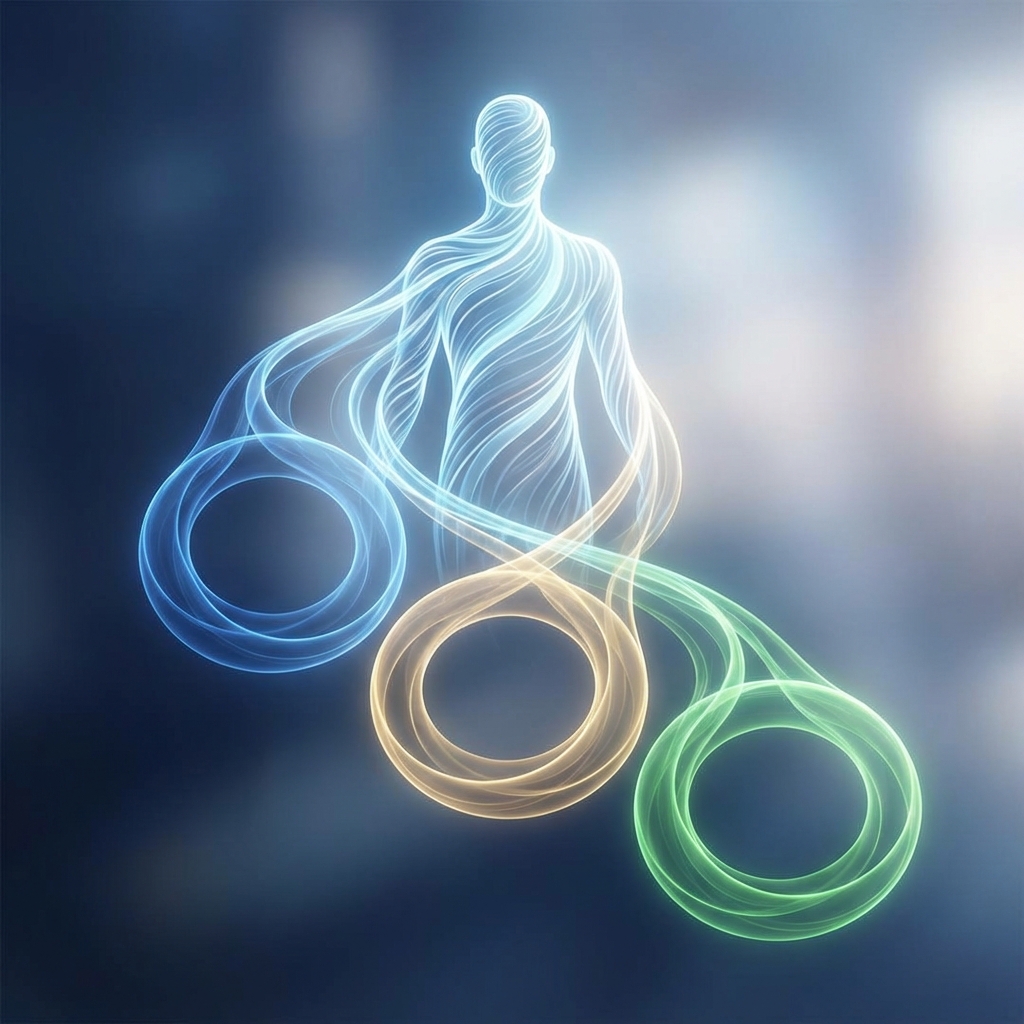
This fragmented landscape reflects a fundamental misunderstanding of how the body actually heals. Tissue repair is not a single biological event that can be addressed with a single intervention. It is a multi-stage cascade—a sequential process where each phase depends on the successful completion of the one before it. Treating only one stage leaves the others unaddressed, creating a therapeutic ceiling that even the most potent individual treatment cannot break through.
The biological cascade framework offers a mechanistic explanation—not a marketing claim—for why multi-modal regenerative medicine produces superior outcomes. This framework maps each treatment modality to the specific healing stage it addresses, revealing why comprehensive care requires comprehensive tools.
The explosive growth of the regenerative medicine market, valued at $51.65 billion in 2025 and projected to reach $555 billion by 2034, signals that patient demand is outpacing public understanding of how these treatments actually work together. By understanding the cascade, patients can make informed decisions about their care rather than settling for incomplete solutions.
The Biological Reality of Tissue Repair: A Multi-Stage Process
The body’s healing response unfolds in distinct, sequential phases: hemostasis, inflammation, proliferation, and remodeling. Each phase serves a specific biological purpose and requires different cellular signals, repair mechanisms, and environmental conditions to proceed optimally.
Research published in Science identifies three major roadblocks that can derail successful tissue regeneration: functional inadequacy of progenitor cells, chronic inflammation, and fibrosis. When any of these obstacles persists, healing stalls—regardless of how effective the initial treatment may have been.
No single biological agent can simultaneously recruit progenitor cells, resolve chronic inflammation, and prevent fibrotic scarring. This biological reality forms the foundational argument for multi-modal regenerative medicine. According to research from the Mayo Clinic, multimodal regenerative methods incorporate transplantation of healthy tissues, prompt the body’s self-healing response, and use tissue engineering to manufacture new tissue—three distinct mechanisms that must work in concert.
Consider the analogy of a construction project. Building a structure requires an architect to design the plan, a structural engineer to ensure stability, and a finishing crew to complete the details. No single professional can fulfill all three roles. Tissue repair operates similarly—distinct biological agents address distinct stages of the healing process.
The Biological Cascade Framework: How Each Modality Activates the Next
The cascade model describes a sequential, amplifying chain where each modality does not merely add to the healing process—it activates and amplifies the next stage. The order matters clinically. Applying exosomes before PRP has primed the tissue, or using hyaluronic acid without addressing underlying inflammation, produces suboptimal results. Sequence is a clinical decision, not a preference.
Stage 1 — PRP: The Biological Alarm Signal That Initiates the Cascade
Platelet-Rich Plasma (PRP) is a concentration of the patient’s own platelets, rich in growth factors, derived from a simple blood draw. Its biological role is to release growth factors—including PDGF, TGF-β, and VEGF—that act as alarm signals, recruiting the body’s own stem cells to the injury site and initiating the transition from the inflammatory phase to the proliferative phase.
Clinical evidence demonstrates that PRP for knee osteoarthritis can provide symptom improvement for six months or longer, often outlasting corticosteroid injections. This establishes PRP as a legitimate first-stage intervention, not merely a temporary fix.
However, PRP has a critical limitation. It recruits stem cells and initiates healing, but if the patient’s own progenitor cell population is depleted—common in older patients or those with chronic injuries—PRP alone cannot complete the repair. It signals for reinforcements that may not arrive in sufficient numbers.
Stage 2 — Stem Cell Therapy: Delivering the Cellular Workforce
Mesenchymal stem cells (MSCs) serve as the body’s primary repair cells, capable of differentiating into cartilage, bone, tendon, and other musculoskeletal tissues. When introduced after PRP priming, stem cells find a growth-factor-rich environment that guides their differentiation and integration. PRP’s signaling molecules act as a landing beacon for the incoming cellular workforce.
MSC therapy shows approximately 80% success rates for modulating immune response and reducing inflammation. Over 5,000 registered clinical trials on ClinicalTrials.gov involve stem cell therapies, and stem cell therapy commands approximately 43.8% of the regenerative medicine market in 2025.
Stem cells are powerful but require precise biological instructions to differentiate correctly and sustain their activity. Without ongoing signaling support, their activity can diminish before full tissue repair is achieved.
Stage 3 — Exosome Therapy: The Amplified Communication Network
Exosomes are extracellular vesicles—nanoscale particles released by cells—that carry over 1,000 growth factors, proteins, and genetic instructions. They do not replace cells; they amplify and direct cellular activity by delivering concentrated, precise molecular instructions that sustain and accelerate the repair process.
Exosome therapy may deliver faster outcomes than PRP alone—sometimes within one to two weeks versus four to six weeks for PRP—due to higher potency and concentrated signaling molecules. Exosomes can also penetrate deeper into tissues, providing more sustained signaling for tissue regeneration.
Research demonstrates that combining PRP and exosomes accelerates tissue repair beyond the effect of either treatment alone. However, exosomes do not address the mechanical environment of the joint. Degraded synovial fluid, joint friction, and mechanical stress can undermine even the most effective cellular repair.
Stage 4 — Peptide Therapy: Precision Biochemical Scaffolding
Peptides are short chains of amino acids that act as targeted biological messengers, signaling specific cellular processes such as collagen synthesis, anti-inflammatory response, and tissue remodeling. They function as precision biochemical scaffolding—reinforcing and sustaining the repair environment during the remodeling phase when new tissue is being organized and strengthened.
Certain peptides have demonstrated anti-fibrotic and tissue-remodeling properties, helping ensure that healing tissue forms functional, flexible repair rather than scar tissue. Peptide selection is highly individualized, depending on the patient’s injury type, inflammatory profile, age, and healing stage.
Stage 5 — Hyaluronic Acid: Restoring the Mechanical Environment for Lasting Results
Hyaluronic acid (HA) is a naturally occurring component of synovial fluid that provides joint lubrication, shock absorption, and a protective environment for cartilage. HA restores the mechanical environment in which all biological repair work must occur. Without adequate lubrication and cushioning, newly repaired tissue faces mechanical stress that can compromise outcomes.
HA also has anti-inflammatory properties and supports chondrocyte health, meaning it contributes to the biological environment as well as the mechanical one. Applying HA after the biological repair cascade has been initiated allows it to protect and support new tissue formation rather than simply masking symptoms. Patients seeking guidance on treatment scheduling can review a hyaluronic acid injection frequency guide to better understand how HA fits into a long-term care plan.
The complete cascade: PRP signals → stem cells repair → exosomes amplify → peptides scaffold → hyaluronic acid protects. Each stage is necessary; each amplifies the next; removing any stage leaves a gap in the biological process.
Why Single-Modality Clinics Cannot Complete the Cascade: A Structural Analysis
This is not a criticism of any individual treatment. PRP, stem cells, and exosomes are all clinically validated. The limitation is structural, not clinical.
Three structural barriers prevent single-modality clinics from offering comprehensive cascade-based care: infrastructure limitations (equipment, imaging guidance, and processing capabilities), expertise limitations (each modality requires distinct clinical training and protocol knowledge), and supply chain limitations (sourcing and quality-controlling multiple biological agents requires dedicated procurement infrastructure).
Single-modality treatments may plateau in efficacy because they address only one stage of the healing cascade. A patient who receives only PRP may experience initial improvement as the body’s own stem cells are recruited, but if those progenitors are insufficient or if chronic inflammation persists, the healing process stalls.
Research confirms that the lack of standardized protocols in single-modality settings leads to inconsistent results, and studies show a clear advantage in favor of multimodality even in direct comparisons.
As of 2026, the FDA has not approved stem cell, PRP, or exosome products specifically for orthopedic conditions, but substantial clinical evidence supports safety and efficacy when these therapies are administered by qualified providers within FDA regulatory frameworks. Patients researching the current regulatory landscape can find a detailed breakdown of exosome therapy FDA status in 2026 to better understand what this means for their care decisions.
The Personalization Imperative: Why the Cascade Must Be Tailored, Not Templated
The biological cascade framework is not a rigid protocol—it is a clinical map that must be personalized based on the patient’s specific biology, injury stage, age, inflammation levels, and treatment goals.
Key variables determining which modalities are emphasized include degree of cartilage degradation, patient age and progenitor cell vitality, presence of chronic versus acute inflammation, prior treatment history, and concurrent medications.
Tissue engineering and regenerative medicine requires by definition the integration of multidisciplinary expertise spanning stem cell biology, immunology, biomaterial science, and engineering—a breadth of knowledge that single-modality specialists do not maintain.
Personalization extends to delivery method. Ultrasound- and X-ray-guided injection ensures that each biological agent reaches the precise anatomical target, maximizing the cascade effect. Providers such as Unicorn Bioscience develop personalized treatment plans based on inflammation levels, patient age, injury type, current medications, and personal health goals—a clinical necessity for cascade-based therapy.
The Evidence Base: What the Research Says About Multimodal Outcomes
Matrix-induced Autologous Chondrocyte Implantation (MACI) demonstrates 80–90% success rates for cartilage defects over time, illustrating that when biological repair is supported by a structured, multi-component approach, outcomes are highly favorable.
The broader clinical trial landscape includes over 5,000 registered stem cell trials globally, with a $140 million Phase III trial announced in January 2026 specifically for osteoarthritis. The orthopedic segment accounts for approximately 33.4% of the $51.65 billion regenerative medicine market—musculoskeletal multimodal treatment is a dominant commercial and clinical reality.
What to Look for in a Comprehensive Multi-Modal Regenerative Medicine Provider
Patients should evaluate providers using the following criteria:
- Treatment menu breadth: Does the provider offer all five cascade modalities (PRP, stem cells/BMAC, exosomes, peptides, and hyaluronic acid)?
- Imaging-guided delivery: Are injections administered under ultrasound or X-ray guidance?
- Personalized protocol development: Does the provider conduct comprehensive intake assessments?
- Clinical expertise breadth: Does the medical team have training across orthopedics, cellular biology, and regenerative medicine for orthopedics?
- Transparency: Does the provider clearly communicate regulatory status and cite clinical evidence?
- Accessibility: Are same-day treatments and virtual consultations available?
Conclusion: The Cascade Is the Standard — Not the Exception
Tissue repair is a multi-stage biological process. The biological cascade framework—PRP → stem cells → exosomes → peptides → hyaluronic acid—maps each modality to a distinct, sequential healing mechanism.
Single-modality clinics are limited by infrastructure, expertise, and supply chain constraints that prevent them from completing the full cascade. This is a mechanistic reality, not a marketing claim.
Patients who have tried a single regenerative treatment without achieving lasting results may not have failed regenerative medicine—they may simply have received an incomplete cascade. The full protocol, properly sequenced and personalized, represents what regenerative medicine was designed to deliver.
Ready to Experience the Full Cascade? Schedule a Personalized Consultation
Patients living with joint pain, considering surgery, or who have tried single-modality treatments without lasting results can take the next step with a personalized consultation—a clinical assessment that maps specific biology, injury stage, and goals to the appropriate cascade protocol.
Unicorn Bioscience offers virtual and in-person consultations, same-day treatment for qualified candidates, and eight locations across Texas, Florida, and New York. All treatments are administered within the United States under FDA regulatory frameworks.
Contact Unicorn Bioscience at (737) 347-0446 or visit unicornbioscience.com to schedule a consultation. More than 90% of stem cell therapy success rate for knees patients treated at Unicorn Bioscience have not gone on to require knee replacement surgery—a meaningful outcome signal for patients weighing their options.
Schedule Your Consultation Today!