
Joint Pain Supplements: When They Work, When You Need More (2026 Evidence Review)
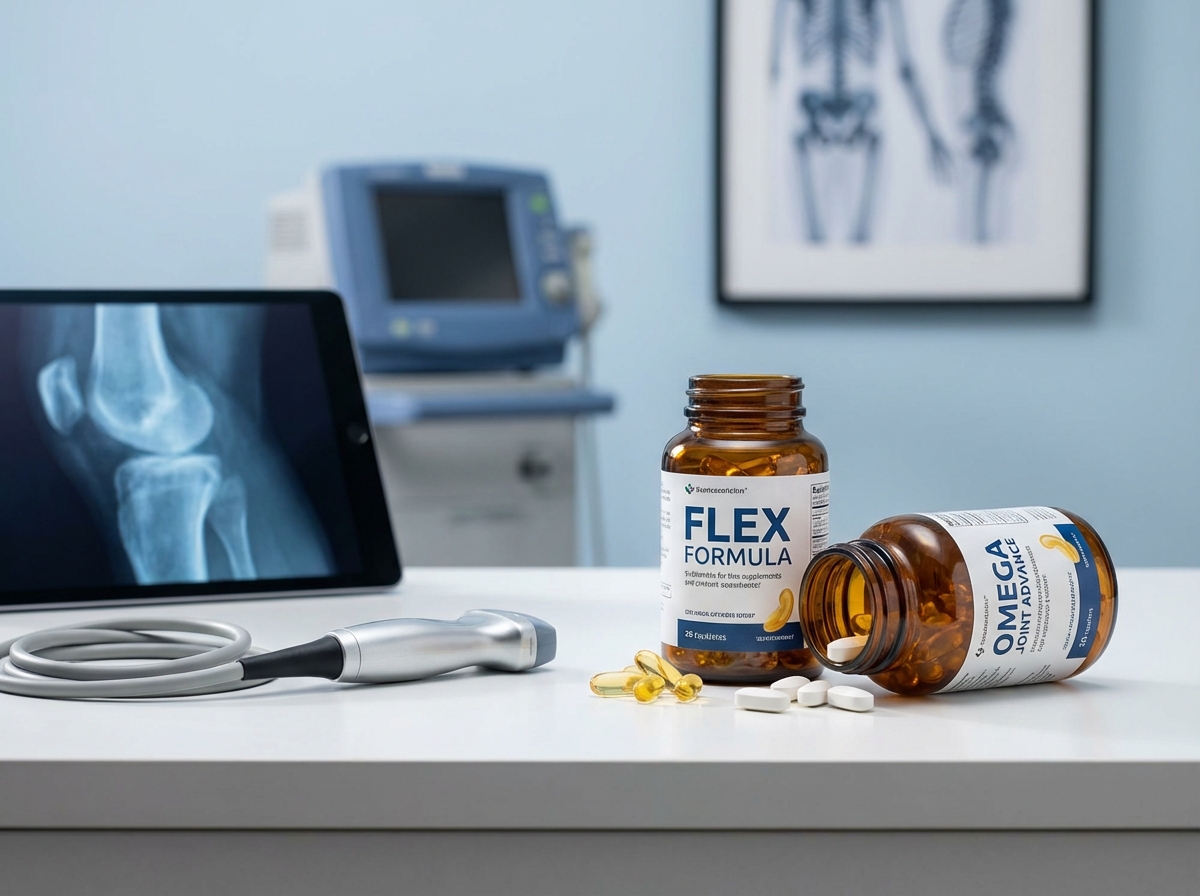
Joint Pain Supplements: When They Work, When You Need More (2026 Evidence Review)
Joint pain affects millions in the U.S. population, with osteoarthritis alone impacting an estimated 595 million people globally as of 2020. For those navigating daily discomfort, supplements represent an accessible first-line intervention that can provide meaningful relief without the risks associated with long-term medication use or surgical procedures.
This evidence review establishes a clear framework for understanding when supplements work, how to objectively measure their effectiveness, and the clinical indicators that signal when more advanced interventions become necessary. The approach follows a structured 4-12 week supplement trial with defined success and failure benchmarks, positioning these products within a broader treatment hierarchy that progresses from conservative measures through regenerative medicine to surgical options when required.
Understanding the Role of Joint Pain Supplements in the Treatment Hierarchy
Joint pain supplements function primarily as symptom-modifying interventions rather than structure-modifying treatments. This distinction carries significant implications for realistic expectations. While supplements can effectively reduce pain, stiffness, and inflammation, they may not regenerate damaged cartilage or reverse structural joint changes visible on imaging.
The treatment progression for joint pain typically follows a conservative-to-invasive pathway: supplements and lifestyle modifications serve as the foundation, followed by regenerative medicine options like platelet-rich plasma (PRP) and stem cell therapy, with surgical intervention reserved for cases where other approaches prove insufficient.
Individual response to supplementation varies considerably. Research consistently identifies “supplement responders” who experience meaningful symptom relief alongside “non-responders” who show minimal improvement despite consistent use. Understanding which category applies becomes essential for making informed treatment decisions.
The osteoarthritis therapeutics market’s projected growth to $11.2 billion by 2026 reflects widespread adoption of these interventions, though market size alone does not guarantee individual effectiveness.
Evidence-Based Supplement Ingredients: What Works According to 2026 Research
A 2025 systematic review published in MDPI Nutrients analyzed 146 studies and found that over 90% of efficacy studies reported positive outcomes for glucosamine and chondroitin, with most safety studies indicating minimal or no adverse effects. These findings support the continued use of these foundational supplements for osteoarthritis management.
Seven supplements have demonstrated large effect sizes for short-term pain reduction according to a 2017 systematic review and meta-analysis:
- Collagen hydrolysate
- Passion fruit peel extract
- Curcuma longa extract
- Boswellia serrata extract
- Curcumin
- Pycnogenol
- L-carnitine
The glucosamine-chondroitin combination has demonstrated effectiveness comparable to the NSAID celecoxib for reducing pain, stiffness, and swelling in knee osteoarthritis, according to a 2016 international trial referenced by Stanford Lifestyle Medicine.
Omega-3 fatty acids at doses of at least 1,000 mg combined EPA and DHA provide natural anti-inflammatory properties and reduce arthritis pain. A 2017 systematic review cited by the Arthritis Foundation found omega-3 supplements reduced joint pain, stiffness, and swelling in rheumatoid arthritis, with potential to reduce NSAID use.
Turmeric and curcumin have shown comparable effectiveness to NSAIDs in multiple studies without the concerning gastrointestinal side effects associated with long-term anti-inflammatory medication use.
However, an important limitation exists: widely used supplements like glucosamine and chondroitin showed small and arguably clinically unimportant treatment effects at long-term follow-ups, with no supplements demonstrating clinically important effects over extended periods.
Optimal Dosing and Administration Protocols
Evidence-based dosing protocols include:
- Glucosamine: 1,500 mg daily
- Chondroitin: 1,200 mg daily
- Turmeric/Curcumin: 500 mg twice daily for 6-12 weeks
- Omega-3s: Minimum 1,000 mg combined EPA and DHA
Consistent daily use over 4-12 weeks remains essential for proper evaluation. Research published in Scientific Reports indicates that longer supplementation duration correlates with greater effect sizes.
The 4-12 Week Supplement Trial: Establishing a Baseline
The structured trial period represents the clinical standard for determining supplement efficacy. This timeframe allows sufficient duration for the mechanisms of action to produce measurable effects while preventing prolonged use of ineffective interventions.
During this period, individuals should maintain consistent supplementation, track symptoms using objective measures, and avoid confounding factors that might obscure results. Setting appropriate expectations proves crucial: short-term pain reduction represents an achievable goal, while long-term structural benefits remain limited based on current evidence.
Objective Metrics: How to Measure Supplement Effectiveness
Quantifiable measurement transforms subjective impressions into actionable data. The following metrics provide a framework for evaluation:
Pain Assessment:
- Establish baseline pain scores using the Visual Analog Scale (VAS) or numeric rating (0-10)
- Track weekly changes throughout the trial period
- Document pain patterns including morning versus evening and activity-related variations
Functional Improvement:
- WOMAC scores measuring pain, stiffness, and physical function subscales
- Activity-specific benchmarks: walking distance, stair climbing ability, sports participation
- Time required to complete routine activities
Medication Changes:
- NSAID reduction or elimination
- Decreased reliance on over-the-counter pain relievers
Stiffness Evaluation:
- Morning stiffness duration (in minutes)
- Severity rating throughout the day
A 30-50% pain reduction generally indicates “responder” status and suggests continued supplementation may prove beneficial.
Clinical Indicators That Supplements Have Failed
Clear failure criteria prevent prolonged use of ineffective interventions:
- Less than 30% pain reduction after 12 weeks of consistent use
- No improvement in functional capacity or continued activity limitations
- Increasing NSAID dependence despite supplement use
- Progressive worsening of symptoms despite adherence
- Advancing degenerative changes on imaging despite symptom management attempts
Imaging Correlation: When Structural Damage Exceeds Supplement Capacity
A disconnect frequently exists between symptom relief and structural progression. Imaging findings that suggest supplements alone may prove insufficient include:
- Severe joint space narrowing
- Bone-on-bone contact
- Significant cartilage loss
- Progressive osteophyte formation
When imaging reveals substantial structural damage, regenerative interventions may address both symptoms and tissue repair in ways supplements cannot.
Safety Considerations and When to Stop Supplements
The 2025 systematic review confirms that most joint supplements demonstrate minimal or no adverse effects, supporting their role as safer alternatives to long-term NSAID use.
Pre-Surgical Protocols:
Supplements should be discontinued 1-2 weeks before any surgical procedure due to bleeding risks. The Arthritis Foundation specifically recommends stopping glucosamine, chondroitin, fish oil, and vitamin E before surgery and not resuming until anticoagulant medications have cleared.
Individuals taking blood thinners, those with shellfish allergies (for glucosamine derived from shellfish), or those with diabetes should consult healthcare providers before starting supplementation.
The Regenerative Medicine Bridge: Next Steps When Supplements Aren’t Enough
When supplements fail to provide adequate relief, regenerative medicine represents the logical next step in the treatment hierarchy—positioned between conservative measures and surgical intervention.
Unlike supplements, which primarily modify symptoms, regenerative therapies work on both symptom modification and tissue regeneration. Studies show PRP for knee osteoarthritis can provide symptom relief and improved patient-reported outcomes, with many patients reporting improvements lasting months to years according to the University of Iowa Health Care.
Platelet-Rich Plasma (PRP) Therapy
PRP concentrates the patient’s own platelets and growth factors into a powerful injectable that jumpstarts tissue repair. Precision-guided delivery using ultrasound or X-ray technology enhances accuracy and effectiveness.
For supplement non-responders with documented structural changes, PRP offers a non-surgical alternative that addresses underlying tissue damage rather than merely masking symptoms.
Stem Cell Therapy and BMAC
Stem cells function as the body’s natural repair system, capable of becoming multiple tissue types. Bone Marrow Aspiration Concentrate (BMAC) provides an autologous tissue therapy option available in the United States.
Appropriate candidates include supplement non-responders with structural damage visible on imaging. Treatment plans should consider inflammation levels, age, injury type and location, current medications, and personal health goals.
Exosome Therapy
Exosomes are nano-sized vesicles that carry proteins, RNA, and growth factors to injured tissue. These cellular messengers calm inflammation and accelerate regeneration, offering another option within the regenerative medicine spectrum for appropriate candidates.
Decision Framework: Supplement Responder or Regenerative Intervention Candidate?
Supplement Responder Profile:
- 30-50%+ pain reduction achieved
- Improved functional capacity
- Reduced or eliminated NSAID use
- Stable findings on imaging
Regenerative Intervention Candidate Profile:
- Less than 30% pain improvement after proper trial
- Persistent functional limitations
- Progressive imaging changes
- Continued NSAID dependence
A failed supplement trial does not represent personal failure—it provides valuable diagnostic information that guides more appropriate treatment selection.
The Unicorn Biosciences Approach: Personalized Cellular Therapy When Supplements Fall Short
For individuals who have completed a structured supplement trial without adequate results, Unicorn Biosciences offers comprehensive regenerative medicine options. The evaluation process includes thorough imaging review (X-rays, MRIs, CT scans), detailed medical history assessment, and in-depth discussion of treatment goals.
Multiple therapy options—including PRP, stem cells, BMAC, and exosomes—allow for treatment selection based on individual presentation rather than a one-size-fits-all approach. Precision-guided injections using ultrasound or X-ray technology enhance accuracy and effectiveness.
With locations across Texas, Florida, and New York staffed by nationally licensed providers, Unicorn Biosciences provides accessible care for supplement non-responders seeking evidence-based alternatives to surgery.
Consultation Process and What to Expect
The consultation experience includes one-on-one discussion focused on cellular therapy options, review of relevant imaging correlated with symptoms, and development of a personalized treatment plan. Same-day injection appointments are available for qualified candidates.
Conclusion
Supplements represent the appropriate first-line intervention for joint pain, offering a safe and accessible starting point for the millions affected by osteoarthritis and related conditions. The 4-12 week trial framework with objective success metrics provides a structured approach to determining individual response.
When supplements prove inadequate—defined by less than 30% pain reduction, persistent functional limitations, or progressive imaging changes—this outcome serves as a clinical indicator rather than a personal failure. The treatment hierarchy continues logically from supplements through regenerative medicine to surgical options when necessary.
With hundreds of millions of people globally dealing with osteoarthritis, those experiencing joint pain are far from alone in this journey. Proactive decision-making based on objective data prevents prolonged suffering and identifies the most appropriate intervention for each individual’s circumstances.
Take the Next Step
For those who have completed a structured supplement trial without achieving adequate results, Unicorn Biosciences offers comprehensive evaluation and personalized regenerative medicine options. Virtual and in-person consultations are available across multiple U.S. locations.
The consultation process includes thorough imaging review and development of an individualized treatment plan—not a one-size-fits-all approach. Same-day injection appointments are available for qualified candidates ready to move forward.
Contact Unicorn Biosciences at (737) 347-0446 to schedule a consultation and explore whether regenerative medicine represents the appropriate next step in the treatment journey.
Schedule Your Consultation Today!