
Hair Loss Stem Cell Therapy: Investment Analysis & Orthopedic Parallels 2026
Hair Loss Stem Cell Therapy: Investment Analysis & Orthopedic Parallels 2026
Introduction: The Promise and Reality of Hair Loss Stem Cell Therapy in 2026
Approximately 80 million Americans suffer from hereditary hair loss, a condition that affects up to 80% of men and 40% of women by age 70. Despite this massive patient population, the treatment landscape has remained remarkably stagnant—only two FDA-approved medications exist for androgenetic alopecia (minoxidil and finasteride), with no new pharmaceutical approvals for pattern hair loss in nearly three decades.
This treatment gap has fueled significant excitement around stem cell therapy for hair restoration. The investment community has taken notice, with Pelage Pharmaceuticals securing $120 million in Series B financing in October 2025 to advance their regenerative medicine approach to hair loss. Numerous clinical trials are currently exploring stem cell therapy applications, including hair restoration.
However, patients and investors alike must understand a critical distinction: stem cell hair therapy is NOT yet FDA-approved and remains investigational as of 2026. This article provides a transparent analysis of the current science, investment considerations, and realistic expectations—while drawing valuable parallels from proven orthopedic stem cell applications where regenerative medicine has demonstrated measurable outcomes.
Unicorn Biosciences, a leader in orthopedic regenerative medicine, emphasizes patient education over hype. Their approach distinguishes between experimental treatments and established regenerative therapies, providing a framework for understanding where cellular science has proven effective and where research continues to evolve.
Understanding Hair Loss Stem Cell Therapy: Current State of the Science
The biological premise behind stem cell therapy for hair loss differs fundamentally from conventional treatments. Rather than addressing symptoms, stem cell approaches aim to reactivate dormant hair follicle stem cells—the cellular machinery that remains present even in bald scalp tissue.
Three primary approaches currently under investigation:
- Stem Cell Transplant: Direct injection of stem cells into the scalp to stimulate follicle regeneration
- Stem Cell-Derived Conditioned Medium (CM): Using growth factors and proteins secreted by stem cells without transplanting cells themselves
- Stem Cell-Derived Exosomes: Nano-sized vesicles carrying regenerative signals to target tissues
Stem cells for these applications can be sourced from adipose tissue, bone marrow, hair follicles, or umbilical cord blood—each with distinct processing requirements and theoretical advantages.
Research findings have shown promise. An Italian study documented a 29% increase in hair density 23 weeks after stem cell therapy. More recently, a June 2025 preclinical study demonstrated that 100% of male mice and 90% of female mice achieved hair regrowth using adipose-derived stem cells combined with ATP.
Perhaps most significantly, University of Virginia researchers announced in February 2025 the discovery of a novel stem cell population in the upper and middle sections of hair follicles. Critically, these stem cells remain present even in bald scalp tissue, suggesting the potential for reactivation rather than replacement.
The Regulatory Landscape: What FDA Approval Really Means
Understanding the regulatory status of stem cell hair therapy is essential for informed decision-making. As of 2026, no stem cell treatment for hair loss has received FDA approval. The FDA issued guidance in 2017 advising patients to choose FDA-approved procedures or participate in Investigational New Drug (IND) studies.
The American Hair Loss Association reinforced this position in April 2025, stating they do not endorse stem cell or exosome-based treatments for hair loss outside legitimate clinical trials or institutional research environments.
Legitimate progress is occurring through proper regulatory channels. Pelage Pharmaceuticals’ PP405—a topical small molecule designed to reactivate dormant hair follicle stem cells—is entering Phase 3 trials in 2026 following positive Phase 2a results. This represents the appropriate pathway from research to potential approval.
Quality control concerns persist regarding medical spas and international providers making unsubstantiated claims about stem cell treatments. Patients should exercise caution with providers operating outside established regulatory frameworks.
Investment Analysis: Costs, Timeline, and Expected Outcomes
For patients considering investigational stem cell therapy for hair loss, the financial investment is substantial:
- Treatment costs: $3,000-$25,000 per session
- Treatment frequency: Most patients require 2-6 treatments
- Insurance coverage: Not covered due to investigational status
- Timeline to results: 4-8 months for visible improvement, up to 12 months for full effects
- Procedure duration: Approximately 90 minutes
- Downtime: Minimal (48 hours of soreness), no recovery time required
A systematic review of 14 studies found no major side effects during or after stem cell treatment, with results appearing promising as an alternative or complementary therapy. However, most studies remain small-scale, lack long-term follow-up data, and employ varying methodologies.
When comparing investment options, patients should weigh stem cell therapy against hair transplant surgery ($4,000-$15,000 for FUE procedures) and the lifetime costs of FDA-approved medications ($20-$100 monthly indefinitely).
Clinical Evidence Review: What the Research Actually Shows
Twelve randomized controlled trials conducted between 2013 and 2023 demonstrated that stem cell-derived treatments can promote hair regeneration and increase hair density. Both cellular and acellular therapy approaches showed acceptable safety profiles.
A study of 22 patients using adipose-derived stem cell conditioned medium showed significant increases in hair numbers after treatment, suggesting potential efficacy for alopecia patients.
However, critical limitations exist:
- Most studies involve small patient populations
- Long-term follow-up data remains scarce
- Methodologies vary significantly between studies
- The gap between preclinical animal studies and human clinical outcomes requires bridging
These limitations underscore why larger, controlled trials are necessary before drawing definitive conclusions about efficacy.
Orthopedic Regenerative Medicine: The Proven Parallel
While stem cell therapy for hair loss remains investigational, orthopedic applications of regenerative medicine have achieved significant clinical validation. Leading institutions like Cedars-Sinai have pioneered breakthroughs using stem cell and platelet-rich plasma injections to reduce inflammation, promote healing in joints and spine, and generate new tissue.
Unicorn Biosciences operates at the intersection of cellular science and orthopedic innovation, offering treatments including:
- Stem Cell Therapy: Utilizing the body’s natural repair mechanisms
- Exosome Therapy: Nano-sized vesicles carrying regenerative signals to injured tissue
- Platelet-Rich Plasma (PRP) Therapy: Concentrating growth factors for tissue repair
- Bone Marrow Aspiration Concentrate (BMAC): Autologous tissue therapy
- Hyaluronic Acid Injections: Joint lubrication and cushioning
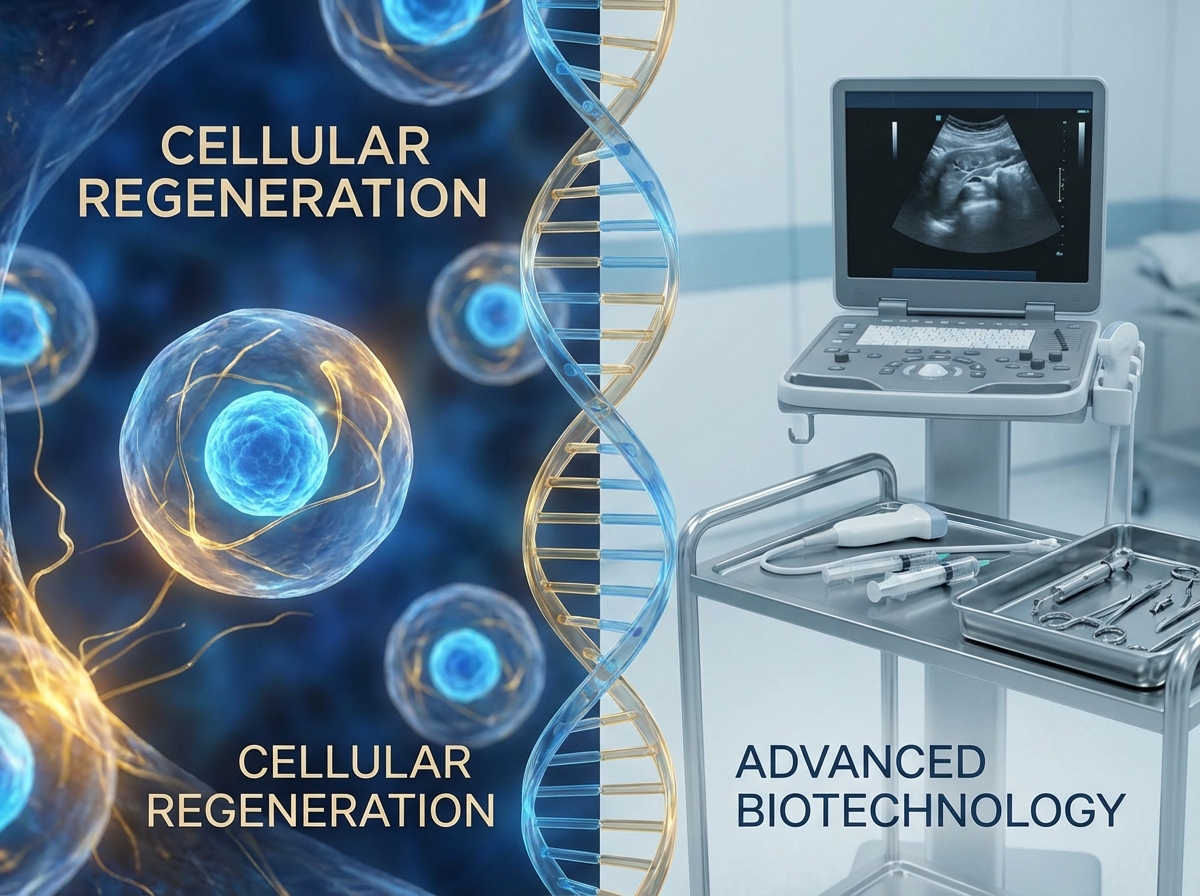
Their precision-guided injection approach—using ultrasound or X-ray technology—ensures accurate delivery to target tissues. Patient testimonials document surgery avoidance, accelerated healing (including two months reduced recovery time for Achilles tendon repair), and return to activities like golf and pickleball.
Strategic Parallels: Lessons from Orthopedic Success
The orthopedic regenerative medicine experience offers valuable lessons for evaluating emerging hair restoration applications:
Regulatory pathway matters: Orthopedic applications that achieved compliance followed rigorous clinical trial protocols. Hair restoration treatments must follow similar pathways.
Precision delivery is critical: Unicorn Biosciences’ use of imaging guidance for orthopedic injections demonstrates how accurate delivery affects outcomes—a principle equally applicable to scalp injections.
Quality control distinguishes providers: Cell processing protocols, safety monitoring, and provider credentials separate legitimate regenerative medicine from questionable offerings.
Personalized protocols outperform standardized approaches: Factors including inflammation levels, age, injury type, current medications, and personal health goals all influence treatment selection and outcomes.
Patient Selection and Realistic Expectations
Ideal candidates for investigational hair loss stem cell therapy participation include individuals with:
- Early to moderate pattern hair loss
- Realistic expectations about experimental treatment status
- Financial capacity for non-insured treatments
- Willingness to participate in legitimate clinical trials
- Understanding that results are not guaranteed
Comprehensive evaluation—including imaging review, medical history assessment, and personalized treatment planning—should precede any treatment decision. Unicorn Biosciences’ consultation process exemplifies this approach, with one-on-one discussions focused on treatment options, goals, and expectations.
The distinction between participating in legitimate clinical trials versus seeking unproven commercial treatments cannot be overstated. Clinical trial participation contributes to scientific knowledge while providing appropriate safety monitoring.
Alternative and Complementary Treatment Options
While stem cell research progresses, established options remain available:
FDA-Approved Medications:
- Minoxidil (topical): Proven to slow hair loss and stimulate regrowth
- Finasteride (oral): Blocks DHT production, slowing pattern baldness
PRP Therapy: Concentrates platelets and growth factors with a more established evidence base than stem cell treatments for hair loss
Combination Approaches: PRP combined with microneedling and low-level light therapy
Hair Transplant Surgery: FUE and FUT procedures offer proven results for appropriate candidates
Emerging Pharmaceuticals: JAK inhibitors and novel drugs in development through proper clinical trials
Red Flags: Identifying Questionable Providers and Claims
Patients should exercise caution with providers who:
- Guarantee specific results from experimental treatments
- Lack proper medical credentials or regenerative medicine training
- Operate outside clinical trial frameworks while claiming “cutting-edge” treatments
- Use aggressive marketing tactics rather than educational communication
- Cannot explain the regulatory status of their offerings
- Avoid discussing limitations or potential risks
Quality providers demonstrate transparency about what remains experimental versus proven, maintain proper licensing, and prioritize patient education over sales.
Proven Regenerative Solutions Available Today
For patients seeking regenerative medicine solutions with demonstrated outcomes, orthopedic cellular therapies offer established alternatives. Unicorn Biosciences treats conditions including:
- Joint arthritis (hip, knee, shoulder, hand)
- Rotator cuff injuries
- Meniscus tears
- Tendon injuries (Achilles, tennis elbow, golfer’s elbow)
- Degenerative disk disease
- Ligament injuries (ACL, MCL, PCL)
Their approach combines board-certified physician oversight, training from institutions like Johns Hopkins and Hospital for Special Surgery, and personalized treatment protocols. Same-day injection appointments, minimal downtime, and return to daily activities without extended recovery distinguish these established treatments from investigational procedures.
The Future of Hair Loss Stem Cell Therapy: What’s on the Horizon
Promising developments continue to emerge. Pelage Pharmaceuticals’ Phase 3 trials in 2026 represent a potential pathway to FDA approval for stem cell-activating treatments. The University of Virginia’s discovery of persistent stem cell populations in bald scalp tissue opens new research directions.
Realistic timelines suggest several more years before stem cell hair therapy could transition from investigational to standard of care. Advances in cell processing, delivery mechanisms, and combination therapies may improve outcomes, but proper clinical validation must precede widespread adoption.
Conclusion: Balancing Hope with Evidence-Based Medicine
The excitement surrounding stem cell therapy for hair loss reflects genuine scientific promise. Preclinical studies and early clinical trials suggest potential for addressing hair loss at its cellular roots rather than merely treating symptoms.
However, as of 2026, stem cell hair therapy remains investigational. The American Hair Loss Association’s position—declining to endorse these treatments outside legitimate clinical trials—reflects appropriate scientific caution.
Patients can learn valuable lessons from orthopedic regenerative medicine, where stem cell and PRP therapies have achieved clinical validation through proper regulatory pathways. Unicorn Biosciences exemplifies this approach, combining cellular science expertise with orthopedic innovation while maintaining transparency about what treatments are proven versus experimental.
For those suffering from musculoskeletal conditions, established regenerative medicine solutions exist today with demonstrable outcomes. Patients interested in exploring these options can schedule consultations—available virtually or in-person across eight locations in Texas, Florida, and New York—to discuss their specific health concerns and treatment goals.
Contact Unicorn Biosciences at (737) 347-0446 to learn how cellular science meets orthopedic innovation through patient-centered care.
Schedule Your Consultation Today!