
Frozen Shoulder PRP Injection: The 3-Stage Disease Map That Determines Whether PRP, Manipulation, or Surgery Is Right for You
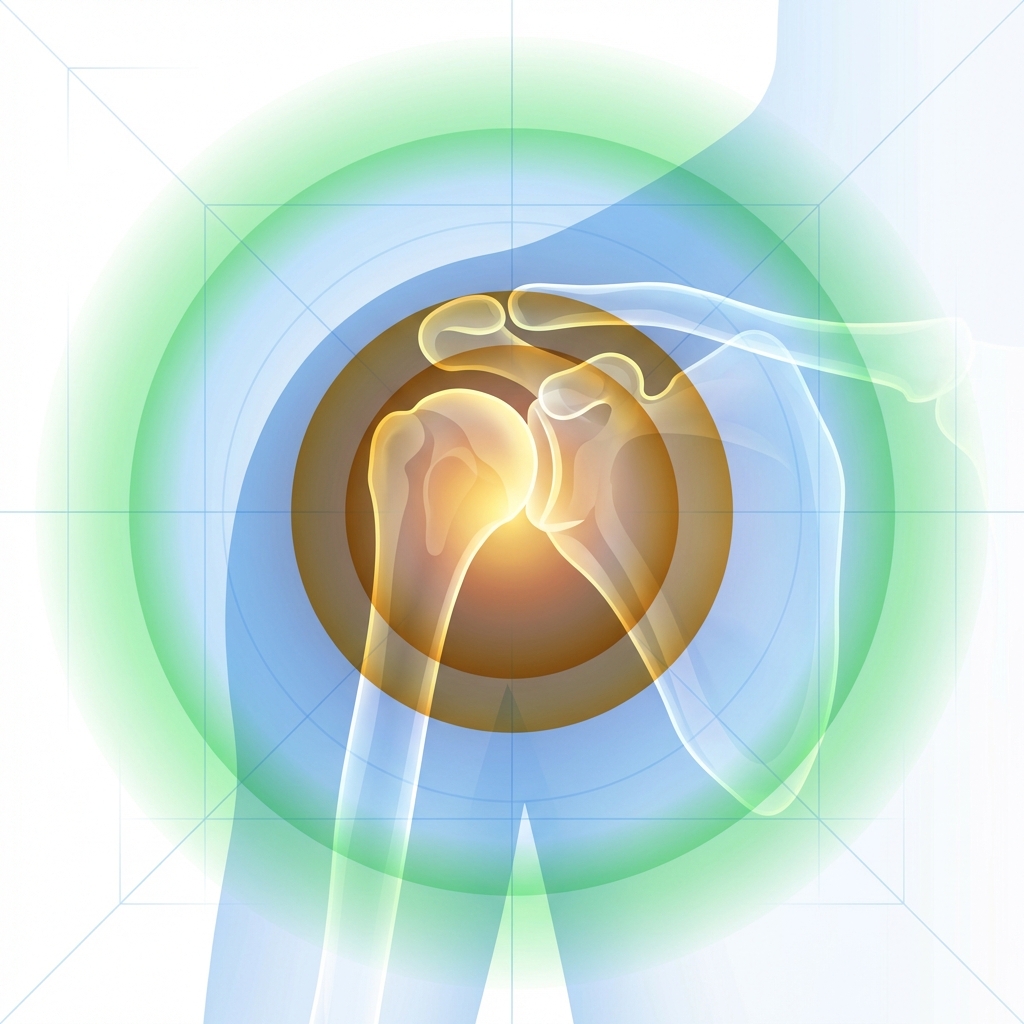
Frozen Shoulder PRP Injection: The 3-Stage Disease Map That Determines Whether PRP, Manipulation, or Surgery Is Right
Why One Treatment Does Not Fit All Frozen Shoulders
Frozen shoulder, clinically known as adhesive capsulitis, affects 2–5% of the general population and up to 10–20% of diabetic patients. It ranks among the most disabling shoulder conditions affecting middle-aged adults, with women over 50 experiencing the highest prevalence rates.
Patients navigating this condition frequently encounter conflicting advice: one clinician recommends cortisone injections, another suggests PRP therapy, and a third advises surgical intervention—often with no clear explanation for why these recommendations differ so dramatically.
The core premise that resolves this confusion is straightforward: frozen shoulder is a three-stage disease, and the right treatment depends entirely on which stage the patient occupies at the time of intervention. Treating frozen shoulder without accounting for disease stage is a primary reason patients experience inconsistent results across clinics.
This article presents an evidence-based framework built around the three-stage disease map—freezing, frozen, and thawing—and examines how each stage responds differently to PRP versus corticosteroids, and when manipulation under anesthesia or surgery becomes necessary. Platelet-rich plasma (PRP) is an autologous biologic therapy that goes beyond symptom suppression to address the underlying fibrotic pathology defining this condition.
Understanding Frozen Shoulder: A Disease of Three Distinct Stages
Adhesive capsulitis involves fibrosis and adhesion of the glenohumeral joint capsule, causing progressive pain and loss of both active and passive range of motion (ROM). The natural history typically spans 12–42 months, though approximately 15% of patients experience long-term disability exceeding two years with little benefit from conventional treatments.
Stage 1 — The Freezing Phase: Pain-Dominant, Inflammation-Driven
The freezing stage presents with acute synovial inflammation, progressive pain often worse at night, and the onset of ROM loss. This phase typically lasts 6 weeks to 9 months.
The dominant pathology involves inflammatory cytokine activity and early synovial hyperplasia—not yet established fibrosis. This inflammatory environment explains why corticosteroid injections may be appropriate during this window: rapid anti-inflammatory action provides early symptom control. Research cited in 2026 literature found corticosteroids may demonstrate superiority to PRP at one-month follow-up during this specific stage.
The trade-off is significant. Corticosteroids address inflammation but do not inhibit the fibrotic cascade that dominates later stages. For diabetic patients—who comprise 10–20% of frozen shoulder cases—corticosteroid-induced hyperglycemia makes steroid injections a higher-risk choice.
Stage 2 — The Frozen Phase: Stiffness-Dominant, Fibrosis-Driven
During the frozen stage, pain begins to plateau or slightly decrease, but ROM loss reaches its maximum. The capsule becomes thickened, contracted, and fibrotic. This phase typically lasts 4–6 months.
The dominant pathology shifts to TGF-β1-driven fibroblast proliferation, excessive collagen deposition, and capsular contracture. The inflammatory window has largely closed, which explains why corticosteroids become less effective—suppressing inflammation in a fibrosis-dominant stage yields diminishing returns.
PRP emerges as the biologically appropriate intervention for this stage because its mechanism directly targets fibrotic pathology rather than suppressing symptoms alone. A 2025 randomized controlled trial found clinically meaningful pain reduction in 88% of PRP recipients versus 48% of corticosteroid recipients, with superior six-month ROM gains in the PRP group.
Stage 3 — The Thawing Phase: Recovery-Dominant, Remodeling-Driven
The thawing stage involves spontaneous gradual return of ROM, decreasing pain, and tissue remodeling. This phase typically lasts 5–26 months.
The dominant pathology centers on extracellular matrix remodeling and collagen reorganization as the body attempts to restore normal capsular architecture. PRP remains well-suited to this stage because its growth factors—VEGF, PDGF, and TGF-β isoforms—support tissue regeneration, stem cell recruitment, and collagen maturation.
Physical therapy becomes a critical adjunct during this stage to capitalize on improving ROM. PRP alone without rehabilitation yields suboptimal results.
How PRP Works Against Frozen Shoulder: The Science Behind the Injection
PRP is an autologous blood concentrate rich in platelets, growth factors, and cytokines, prepared by centrifuging the patient’s own blood to isolate the platelet-rich fraction. Unlike corticosteroids, which broadly suppress the immune response, PRP modulates the biological environment to promote healing and inhibit fibrosis.
The key mechanisms relevant to frozen shoulder pathology include:
TGF-β1/Smad2/3 inhibition: Preclinical studies have demonstrated that PRP inhibits TGF-β1/Smad2/3 signaling—the primary driver of capsular fibrosis—and downstream fibrotic marker expression in joint capsule fibroblasts.
M2 macrophage polarization: PRP promotes a shift from pro-inflammatory M1 macrophages to anti-inflammatory, pro-healing M2 macrophages, reducing chronic inflammatory burden without the systemic risks of corticosteroids.
CST1/GPX4 pathway activation: Emerging research identifies PRP’s ability to inhibit ferroptosis (iron-dependent cell death) and the inflammatory response via the CST1/GPX4 signaling pathway—a newly identified mechanism in frozen shoulder pathology.
Growth factor delivery: VEGF promotes angiogenesis and tissue repair; PDGF stimulates cell proliferation; additional growth factors recruit mesenchymal stem cells to the injury site.
The clinical implication is clear: PRP does not merely mask pain—it intervenes at the molecular level to slow or reverse the fibrotic process that defines frozen shoulder.
What the Evidence Says: PRP vs. Corticosteroids
The evidence landscape reveals nuanced findings: short-term results are mixed, while long-term results consistently favor PRP.
A 2024 meta-analysis of 14 randomized controlled trials involving 1,024 patients found PRP was more durable and safer than corticosteroids and other control groups in treating frozen shoulder. A systematic review of 19 studies found that 93% of ROM comparisons (62 of 67 data points) favored the PRP group over controls at final follow-up.
Additional meta-analyses confirmed that PRP significantly improves passive abduction, passive flexion, and passive external rotation at three months, with significant pain and disability reduction at six months post-injection. The most current evidence from 2026 confirms conflicting short-term results but PRP superiority at longer timepoints.
The balanced view acknowledges that corticosteroids may still be appropriate for rapid early-stage pain control, particularly when the patient is in the acute freezing phase and pain is the primary complaint.
The safety profile favors PRP: most studies report no adverse events, while repeated corticosteroid injections carry risks of hyperglycemia, chondrolysis, tendon rupture, skin depigmentation, and subcutaneous atrophy.
PRP vs. Hyaluronic Acid
Hyaluronic acid (HA) offers joint lubrication and mild anti-inflammatory effects but provides viscosupplementation without addressing fibrotic pathology. PRP targets the underlying disease biology. HA may serve as a reasonable adjunct or alternative for patients who cannot tolerate PRP or corticosteroids, though the evidence base for HA in frozen shoulder is less robust than for PRP.
The Special Case: PRP for Frozen Shoulder in Diabetic Patients
Frozen shoulder affects 10–20% of diabetic patients—two to four times the general population rate—making diabetes the single most important comorbidity in this condition. Advanced glycation end-products (AGEs) promote collagen cross-linking and capsular fibrosis, and diabetic patients tend to experience more severe and prolonged disease.
Corticosteroid injections reliably cause transient but significant blood glucose elevation, which can be dangerous in poorly controlled diabetics and complicate glycemic management.
PRP represents the clinically safer first-line injection choice for diabetic frozen shoulder patients: no hyperglycemic effect, autologous preparation, and direct targeting of the fibrotic pathology amplified by the diabetic metabolic environment. Diabetic patients may require more injections or a longer treatment course due to the severity of their fibrotic disease.
The Treatment Ladder: When to Escalate Beyond PRP
Frozen shoulder management follows a stepwise escalation based on response to each level of intervention. PRP is increasingly positioned as a bridge option between conservative care and invasive procedures, especially for chronic or steroid-resistant cases.
Step 1: Conservative Care — Physical Therapy and Initial Injections
First-line management includes physical therapy, NSAIDs for pain control, and an initial injection—corticosteroid in the freezing stage; PRP in the frozen or thawing stages, or for diabetic patients. Most patients respond to conservative care when treatment is initiated early. A period of 6–12 weeks of consistent conservative treatment is recommended before evaluating for escalation.
Step 2: PRP Injection Series — For Persistent or Steroid-Resistant Cases
A series of three PRP injections combined with physical therapy represents the current evidence-supported protocol when initial corticosteroid injection provides inadequate relief, when the patient is in the frozen or thawing stage, or when the patient has diabetes. Meaningful ROM improvement typically appears at three months, with superior pain and functional outcomes at six months versus corticosteroids. Patients interested in understanding the full same-day PRP injection protocol can review what to expect from preparation through post-injection care.
Step 3: Manipulation Under Anesthesia — For Conservative Treatment Failures
Manipulation under anesthesia (MUA) involves manually breaking up adhesions under anesthesia to restore ROM. A 2024 meta-analysis found MUA provides outcomes comparable to arthroscopic capsular release (ACR) with fewer severe complications—ACR carried a significantly higher rate of severe complications (OR 4.14) compared to MUA.
Step 4: Arthroscopic Capsular Release — Reserved for Refractory Cases
ACR surgically divides the contracted joint capsule arthroscopically. Only approximately 0.8% of frozen shoulder patients ultimately require arthroscopic capsulotomy—surgery is the exception, not the rule. For patients weighing their options, a broader look at regenerative medicine vs. surgery outcomes can help contextualize when biologic approaches offer a viable alternative to the operating room. The treatment ladder ensures patients are not escalated to surgery prematurely.
Setting Realistic Expectations: What PRP Can and Cannot Do
PRP is not a cure—it is a biologic intervention that modulates the disease environment to promote healing and reduce fibrosis within the natural history of the condition. Meaningful ROM improvement typically appears at three months, with superior outcomes versus corticosteroids well-documented at six months.
PRP is most effective when combined with consistent physical therapy. Not all patients respond equally—disease severity, duration, comorbidities, and PRP protocol quality all influence outcomes. The lack of standardized PRP preparation across clinics means results can vary, and patients should ask providers about their specific protocols.
Conclusion: Matching the Right Treatment to the Right Stage
Frozen shoulder is a three-stage disease, and treatment decisions should be stage-dependent rather than one-size-fits-all. Corticosteroids may have a role in the acute freezing stage for rapid pain control; PRP is the biologically appropriate intervention in the frozen and thawing stages; MUA and ACR are reserved for cases that fail conservative and biologic management.
For the 10–20% of frozen shoulder patients with diabetes, PRP represents a clinically safer first-line injection choice. Unlike corticosteroids, PRP addresses the underlying fibrotic pathology through TGF-β1/Smad2/3 inhibition, M2 macrophage polarization, and growth factor delivery—making it a disease-modifying rather than purely symptomatic intervention.
With the right stage-matched treatment plan and a knowledgeable provider, the vast majority of frozen shoulder patients can achieve meaningful recovery without surgery.
Explore Whether PRP Is Right for Each Stage of Frozen Shoulder
Unicorn Bioscience specializes in precision-guided regenerative medicine for orthopedics, including frozen shoulder. The practice utilizes imaging-guided injections with ultrasound and X-ray technology, develops personalized treatment protocols based on individual patient factors, and offers multiple treatment modalities including PRP, BMAC, hyaluronic acid, and exosome therapy.
Qualified candidates may receive same-day treatment, with both in-person and virtual consultations available across eight locations in Texas (Austin, Dallas, El Paso, Fort Worth, Houston, San Antonio), Florida (Boca Raton), and New York (Manhattan).
To receive a personalized assessment of frozen shoulder stage and a treatment plan tailored to an individual’s disease course, contact Unicorn Bioscience at (737) 347-0446 or visit unicornbioscience.com to schedule a consultation.
Schedule Your Consultation Today!