Exosome Therapy: Science & Applications Guide 2026
Exosome Therapy: Understanding the Science, Applications, and Future of Regenerative Medicine in 2026
Introduction
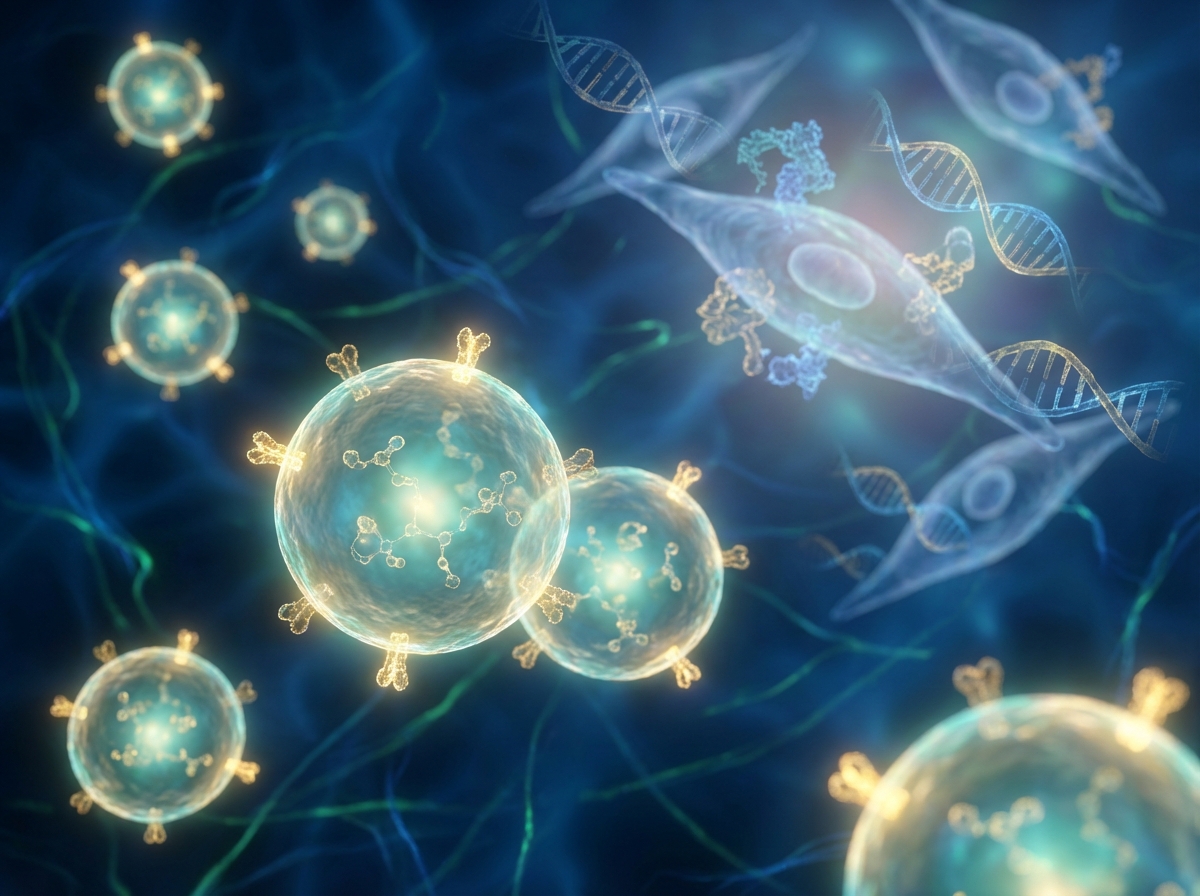
Exosomes represent one of the most fascinating frontiers in modern medicine. These naturally occurring extracellular vesicles, measuring just 30-150 nanometers in diameter, serve as sophisticated messengers that facilitate cell-to-cell communication throughout the body. As regenerative medicine continues to evolve, exosome therapy has emerged as a cutting-edge approach that promises to transform how clinicians address tissue repair, inflammation, and degenerative conditions.
Unlike traditional cell-based therapies such as stem cell treatments, exosome therapy utilizes cell-free vesicles that carry therapeutic cargo without introducing live cells into the body. This fundamental distinction offers potential advantages in terms of safety, storage, and administration while maintaining significant regenerative potential.
This comprehensive guide explores the scientific foundations of exosome therapy, current clinical applications, the regulatory landscape in 2026, and the future potential of this emerging therapeutic approach. For patients, healthcare providers, and researchers seeking to understand this promising field, the following sections provide essential context for navigating the complexities of exosome-based treatments.
What Are Exosomes? The Science Behind Cellular Communication
Exosomes are small lipid bilayer-enclosed vesicles secreted by virtually all cell types in the body. According to research published in the PMC Overview on Extracellular Vesicles, these nanosized particles act as natural mediators of intercellular communication, carrying biological messages between cells both locally and systemically.
The biogenesis of exosomes follows a sophisticated pathway. Formation begins through the inward budding of late endosomes, creating structures known as multivesicular bodies. When these multivesicular bodies fuse with the cell’s plasma membrane, exosomes are released into the extracellular environment, ready to deliver their cargo to recipient cells.
The molecular cargo that exosomes carry is remarkably diverse and functionally significant. These vesicles transport:
- Proteins that can modulate cellular processes
- Lipids essential for membrane function
- MicroRNAs capable of regulating gene expression
- Functional mRNAs that can be translated into proteins in recipient cells
As detailed by Wikipedia’s comprehensive overview, exosomes play crucial roles in both normal physiological processes and disease states, making them attractive targets for therapeutic intervention and diagnostic applications.
Types of Exosome Therapies
The therapeutic exosome landscape encompasses two primary categories. Naïve exosomes are naturally released by cells without modification, retaining their inherent biological properties. Engineered exosomes, by contrast, are loaded with additional therapeutic biomolecules in laboratory settings to enhance their therapeutic potential.
Mesenchymal stem cell (MSC)-derived exosomes represent among the most extensively studied therapeutic sources. These vesicles carry the regenerative signals of their parent cells while avoiding the complexities associated with live cell administration. Clinical trials have explored MSC-derived exosomes for conditions ranging from chronic kidney disease to graft-versus-host disease.
The rationale for choosing exosome therapy over whole-cell therapies centers on several practical advantages. Exosomes can be stored more easily than living cells, demonstrate excellent stability, and eliminate concerns about unwanted cellular differentiation or uncontrolled proliferation.
Emerging research on hybrid exosomes suggests that combining exosomes with synthetic components may offer enhanced targeting capabilities and therapeutic efficacy, particularly in precision cancer therapy applications.
How Exosome Therapy Works: Mechanisms of Action
Exosomes demonstrate superior biocompatibility compared to synthetic nanoparticles, exhibiting low intrinsic immunogenicity that reduces the risk of adverse immune reactions. Perhaps most remarkably, as noted by Targeted Oncology, exosomes can overcome the blood-brain barrier, offering a non-invasive drug delivery method with high biological barrier penetrability.
The therapeutic mechanisms of exosomes operate through multiple pathways:
- Reducing neuroinflammation in central nervous system conditions
- Promoting angiogenesis to support tissue repair
- Accelerating wound healing through growth factor delivery
- Modulating immune responses in inflammatory conditions
At the molecular level, exosomes influence specific cellular pathways including NF-κB, PI3K/AKT, and TGF-β/SMAD2 signaling cascades. This pathway modulation enables exosomes to reprogram recipient cells toward regenerative and anti-inflammatory states.
Current Clinical Applications and Research
As of 2026, multiple clinical trials are advancing exosome-based therapies across diverse therapeutic areas. According to BioInformant’s industry analysis, companies including Aegle Therapeutics, Exopharm Ltd, United Therapeutics, Avalon Globocare, and Direct Biologics have reached pivotal points and transitioned into human clinical trials.
Neurodegenerative Diseases: Research published in Scientific Reports demonstrates that stem cell-derived exosomes can alleviate neurodegeneration and Alzheimer’s pathogenesis. The Journal of Neurology further confirms that exosomes’ ability to cross the blood-brain barrier makes them highly recommended for brain-related diseases and disorders.
Cancer Treatment: The FDA has granted orphan drug designation to an exosome-based therapy for glioblastoma multiforme, marking a significant regulatory milestone for the field.
Wound Healing: According to PMC research, exosome therapy holds great promise as a novel approach to improve acute skin wound healing and tissue repair.
Additional areas under active investigation include orthopedic applications for osteoarthritis and tendon injuries, cardiovascular disease, chronic kidney disease, and inflammatory conditions including COVID-19 sequelae.
Exosome Therapy in Regenerative Medicine and Orthopedics
In the orthopedic and regenerative medicine space, exosomes offer a compelling cell-free alternative to traditional stem cell therapy. By delivering regenerative signals without introducing live cells, exosome therapy potentially reduces risks associated with cellular treatments while supporting the body’s natural healing processes.
Applications span joint, bone, and soft tissue injuries, with delivery methods including precision-guided injections using ultrasound or X-ray technology to ensure accurate placement. Compared to traditional surgical interventions, exosome therapy offers minimally invasive treatment options with potentially shorter recovery times.
Treatment approaches are increasingly personalized, with protocols tailored to individual factors including injury type, inflammation levels, and patient health goals. This individualized approach aligns with broader trends toward precision medicine in orthopedic care.
Isolation and Manufacturing: Technical Considerations
The production of therapeutic exosomes requires sophisticated isolation and purification methods. Current approaches include:
- Ultracentrifugation (the traditional gold standard)
- Density gradient separation
- Size exclusion chromatography
- Immunoaffinity capture
- Emerging microfluidic technologies
As detailed in the Journal of Hematology & Oncology, isolation and characterization methods continue to evolve, though standardization remains an ongoing challenge.
Quality control presents significant hurdles, with batch-to-batch variability and heterogeneity of exosome populations complicating consistent clinical production. Manufacturing scalability for widespread clinical use remains an active area of development.
The Regulatory Landscape: What Patients Need to Know in 2026
The most critical fact patients must understand is this: as of 2026, there are NO FDA-approved exosome products for any therapeutic use.
The FDA’s Public Safety Notification clearly states that certain clinics across the country are offering exosome products to patients despite the absence of regulatory approval. The FDA Consumer Alert emphasizes that exosome products intended to treat diseases or conditions in humans require FDA approval.
Orphan drug designation for a glioblastoma therapy represents progress but does not constitute approval for commercial use. This designation provides development incentives but requires the therapy to complete rigorous clinical trials before reaching patients.
CDC investigations have documented serious adverse events, including bacterial infections and sepsis, in patients who received unapproved exosome products. These incidents underscore the importance of distinguishing legitimate clinical trials from commercial marketing of unproven treatments.
Safety Considerations and Potential Risks
While exosomes generally demonstrate favorable safety profiles compared to synthetic alternatives, potential risks warrant careful consideration:
- Contamination during processing and manufacturing
- Immune reactions despite generally low immunogenicity
- Tumor formation concerns with certain exosome sources
- Unwanted biological effects from cargo contents
According to PMC research on regulatory needs, patients in Nebraska who received an unapproved exosome intervention became seriously ill and suffered from sepsis in 2019, prompting FDA warnings that remain relevant in 2026.
Patients considering exosome therapy should work exclusively with licensed medical providers and FDA-compliant facilities, preferably within the context of registered clinical trials.
Challenges and Limitations of Exosome Therapy
Despite significant promise, exosome therapy faces substantial challenges:
- Lack of standardization in isolation, characterization, and quality control methods
- Heterogeneity of exosome populations making consistency difficult
- Regulatory uncertainty and lengthy approval pathways
- Manufacturing scalability challenges for widespread clinical use
- Limited clinical trial data demonstrating definitive safety and efficacy
- Cost considerations and accessibility issues for patients
Rapid systemic clearance also presents therapeutic challenges, as exosomes may be eliminated from circulation before reaching target tissues in sufficient concentrations.
The Future of Exosome Therapy: Market Growth and Innovation
The exosome therapy market continues expanding, driven by increasing demand for personalized medicine and rising prevalence of chronic diseases. According to Globe Newswire market analysis, North America maintains market dominance while Asia Pacific represents the fastest-growing region.
Aesthetic applications are gaining momentum, with NBC News reporting that exosomes are flooding the at-home skin care space in the United States after establishing popularity as medical-grade treatments in Korea.
Engineering innovations continue advancing the field, including genetic modifications for enhanced targeting, cargo loading techniques for customized therapeutic delivery, and integration with biomaterial scaffolds and hydrogels for sustained release applications.
Exosome Therapy vs. Stem Cell Therapy: Understanding the Differences
| Feature | Exosome Therapy | Stem Cell Therapy |
|---|---|---|
| Nature | Cell-free vesicles | Living cells |
| Differentiation risk | None | Potential unwanted differentiation |
| Immune rejection | Lower potential | Higher potential |
| Storage | More stable | Requires specialized conditions |
| Regulatory pathway | Biologic product | Cell therapy regulations |
Rather than competing approaches, exosomes and stem cells represent complementary tools in regenerative medicine, with clinical scenarios determining which approach may be preferred.
Frequently Asked Questions About Exosome Therapy
Are exosome treatments FDA-approved?
No. As of 2026, no exosome products have received FDA approval for any therapeutic use.
How do exosomes differ from stem cells?
Exosomes are cell-free vesicles that carry biological cargo, while stem cells are living cells capable of self-renewal and differentiation.
What conditions can exosome therapy treat?
Research is investigating applications in neurodegenerative diseases, wound healing, orthopedic conditions, and cancer. All applications remain investigational.
Is exosome therapy safe?
While exosomes generally show favorable safety profiles, risks exist, particularly with unapproved products. Safety requires regulatory compliance and proper medical oversight.
Can exosomes cross the blood-brain barrier?
Yes. This capability makes exosomes particularly attractive for treating neurological conditions.
Conclusion
Exosomes represent promising natural cellular messengers with significant therapeutic potential across multiple medical disciplines. Their ability to deliver regenerative signals, cross biological barriers, and modulate immune responses positions them as valuable tools in the future of medicine.
However, the field remains in its early stages, with no FDA-approved products as of 2026. Orphan drug designation for glioblastoma therapy marks encouraging progress, but patients must approach exosome treatments with appropriate caution.
Legitimate exosome therapy should be pursued through registered clinical trials or with licensed providers adhering strictly to FDA standards. As research advances and regulatory pathways clarify, exosome therapy may fulfill its considerable promise—but evidence-based medicine and patient safety must remain paramount.
Explore Advanced Regenerative Medicine Options with Unicorn Biosciences
Unicorn Biosciences stands at the forefront of cell therapies and regenerative medicine, offering comprehensive treatment options including stem cell therapy, PRP, and other innovative regenerative approaches.
With an unwavering commitment to FDA compliance and patient safety, Unicorn Biosciences provides U.S.-based treatments tailored to individual needs and health goals. Utilizing precision-guided injection techniques with ultrasound or X-ray technology, nationally licensed providers deliver personalized treatment plans designed for optimal outcomes.
Convenient locations across Texas, Florida, and New York make accessing advanced regenerative care easier than ever, with both virtual and in-person consultations available.
Ready to explore whether regenerative medicine options are right for orthopedic needs? Contact Unicorn Biosciences at (737) 347-0446 to schedule a consultation and discover how cutting-edge regenerative therapies may support health journeys.
Schedule Your Consultation Today!