Calcific Tendonitis Shoulder PRP: The Barbotage-First Protocol That Outperforms Standalone Injections
Calcific Tendonitis Shoulder PRP: The Barbotage-First Protocol That Outperforms Standalone Injections
Introduction: Why Most Calcific Tendonitis Treatments Fall Short
Calcific tendonitis of the shoulder affects between 2.7% and 22% of adults and accounts for up to 7% of all shoulder pain cases presenting in clinical settings. Despite these significant numbers, many patients find themselves cycling through treatments that mask pain rather than address the underlying biology. For those searching for answers about calcific tendonitis shoulder PRP therapy, the landscape of treatment options can feel overwhelming and contradictory.
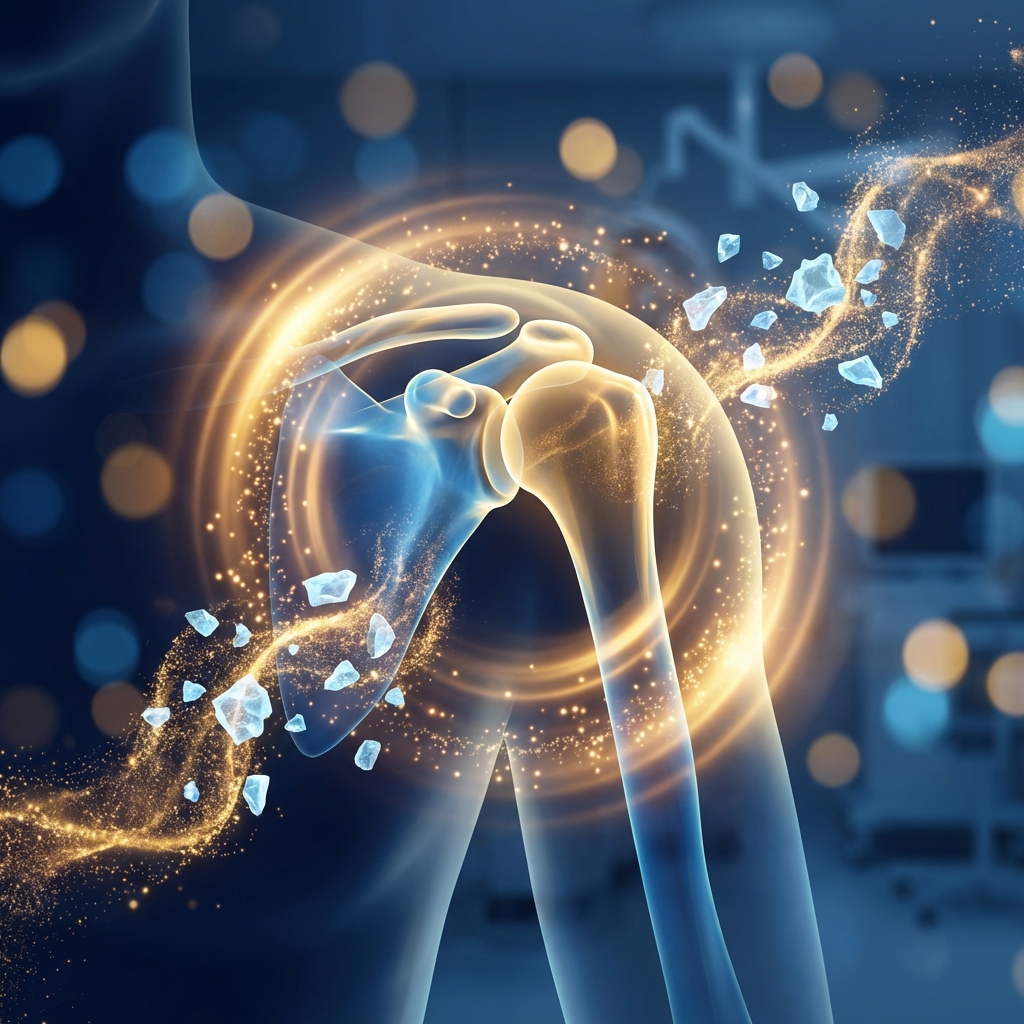
The condition involves calcium hydroxyapatite crystals depositing within the rotator cuff tendons, most commonly the supraspinatus tendon in 51% to 80% of cases. These deposits can cause pain ranging from dull aching during overhead activities to severe, acute episodes during the resorptive phase that rank among the most intense musculoskeletal pain experiences.
The conventional treatment ladder typically progresses from NSAIDs to corticosteroid injections to shockwave therapy and, eventually, surgery. Each step offers partial solutions with significant limitations. This article presents a different perspective: the barbotage plus PRP protocol is not a last resort. It is an evidence-backed, first-line regenerative strategy for orthopedic conditions that outperforms standalone injections.
A landmark 2025 network meta-analysis published in Orthopaedic Surgery represents the most comprehensive comparative evidence to date. Additionally, a double-blinded randomized controlled trial demonstrated 84% full calcium resorption when needle aspiration was combined with PRP. These findings are reshaping how clinicians approach this condition.
Understanding Calcific Tendonitis: What Is Actually Happening in the Shoulder
Calcific tendonitis of the shoulder, also known as rotator cuff calcific tendinopathy (RCCT), occurs when calcium deposits form within the rotator cuff tendons themselves, not on the bone. This distinction matters because the tendon tissue’s unique biology determines both how the condition develops and how it responds to treatment.
Adults aged 30 to 60 face the highest risk, with women being up to two-fold more affected than men. Individuals with metabolic conditions such as diabetes mellitus and thyroid disorders also demonstrate increased susceptibility. Genetic predisposition plays a role as well.
Approximately 42.5% of patients presenting with shoulder pain have calcific deposits visible on imaging. However, only about 50% of those with deposits ever become symptomatic. The remaining cases represent incidental findings that may never cause problems.
The symptom spectrum varies considerably. Some patients experience only mild discomfort with certain movements, while others endure acute, severe pain during the resorptive phase when the body attempts to break down the calcium. Understanding this variability helps explain why treatment responses differ so dramatically between patients.
The Uhthoff and Loehr multi-phase model describes calcific tendinopathy as progressing through formative, resting, and resorptive phases. During the formative phase, calcium crystals accumulate. The resting phase represents a period of relative stability. The resorptive phase involves the body’s attempt to eliminate the deposits through vascular invasion and macrophage activity. This model explains why some cases spontaneously improve while others persist indefinitely.
At the cellular level, the pathogenesis involves metaplastic transformation of tenocytes into chondrocytes, followed by calcium deposition. When the normal self-healing resorption process becomes disrupted, chronic calcification results.
The Aberrant Inflammatory Cascade: Why Calcium Keeps Coming Back
Calcific tendonitis is not simply a mechanical problem of calcium deposits sitting in the wrong place. It represents a biological failure of tendon homeostasis driven by a dysregulated inflammatory environment.
Under normal circumstances, the resorption process involves vascular invasion into the calcified area, followed by phagocytosis of calcium by macrophages. When this process functions correctly, deposits resolve spontaneously. When it becomes disrupted, chronic calcification persists or recurs.
Treatments that target only pain, such as corticosteroids and NSAIDs, do not correct this underlying biological dysfunction. In some cases, they may actually impair the natural resorption process by suppressing the inflammatory signals necessary for healing.
This biological context matters profoundly for treatment selection. A therapy that restores tendon homeostasis at the cellular level is fundamentally different from one that merely suppresses symptoms. The former addresses the root cause; the latter provides temporary relief while the underlying problem continues.
Metabolic comorbidities including diabetes and thyroid disorders can perpetuate this aberrant cascade, making assessment of these factors essential before selecting a treatment protocol. Patients with these conditions may require modified approaches or additional interventions.
If the problem is a disrupted biological environment, the solution should be a biologically active intervention capable of restoring normal tendon function.
How PRP Works: Growth Factors That Restore Tendon Homeostasis
Platelet-rich plasma (PRP) is a concentration of the patient’s own platelets derived from a simple blood draw. These platelets contain a rich payload of growth factors that play specific roles in tissue repair.
The key growth factors relevant to calcific tendonitis include:
- PDGF (platelet-derived growth factor): Drives cellular proliferation and recruits repair cells to the injury site
- TGF-β (transforming growth factor-beta): Modulates the inflammatory response and promotes collagen synthesis
- VEGF (vascular endothelial growth factor): Stimulates angiogenesis to restore blood supply to avascular tendon zones where calcium deposits form
- IGF (insulin-like growth factor): Supports tissue regeneration and cellular metabolism
- FGF (fibroblast growth factor): Promotes fibroblast activity essential for tendon repair
The critical distinction with PRP is that it does not simply mask pain. It actively modulates the aberrant inflammatory cascade responsible for calcium deposition, promoting the conditions necessary for natural resorption.
Because PRP is autologous, meaning derived from the patient’s own blood, it carries no risk of allergic reaction, immune rejection, or synthetic drug side effects. This safety profile makes it suitable for patients who cannot tolerate certain medications.
However, not all PRP is created equal. Studies indicate that differences in platelet concentration can result in over tenfold variations in efficacy. This finding underscores why standardized preparation protocols matter and why patients should inquire about their provider’s specific methods.
LR-PRP vs. LP-PRP: The Formulation Variable Most Patients Never Hear About
Two primary PRP formulations exist: leukocyte-rich PRP (LR-PRP) and leukocyte-poor PRP (LP-PRP). The difference lies in the presence or absence of white blood cells in the final preparation.
This distinction matters clinically. LR-PRP delivers a higher inflammatory load, which may benefit certain conditions such as ligament injuries. However, this same property can induce excessive inflammation in tendon tissue, potentially counteracting the therapeutic goal.
A 2025 meta-analysis of 13 randomized controlled trials involving 880 patients found that LP-PRP showed the most consistent benefits for tendon healing, while LR-PRP results were more variable.
For calcific tendonitis specifically, the condition already involves a dysregulated inflammatory environment. LP-PRP’s more controlled inflammatory profile is generally preferred in this context.
When consulting a provider, patients should ask specifically which formulation is used, how the PRP is prepared (including centrifugation protocol), and what platelet concentration is achieved. Most competitor content and even some providers do not differentiate between these formulations. Having this knowledge represents a meaningful advantage when evaluating treatment options.
This decision should be made in consultation with a qualified provider based on individual patient factors, not through self-selection. A personalized regenerative medicine protocol ensures the right formulation is matched to each patient’s specific presentation.
The Evidence Hierarchy: How PRP Compares to Every Other Option
Understanding how PRP compares to other treatments requires examining the most current evidence. The 2025 Moggio et al. network meta-analysis published in Orthopaedic Surgery reviewed 19 randomized controlled trials involving over 1,100 patients. This study compared all major interventions head-to-head.
The headline finding: PRP ranked highest with an 85% probability of being the best intervention for improving shoulder function. It outperformed corticosteroid injections, shockwave therapy (ESWT), and barbotage alone.
Corticosteroid Injections: Short-Term Relief, Long-Term Concerns
Corticosteroid injections are widely used and provide rapid pain relief, making them appealing as a first-line option. However, a critical limitation exists: corticosteroids suppress inflammation but do not promote calcium resorption or tissue repair. The underlying pathology persists.
Long-term safety concerns compound this limitation. Prior corticosteroid injections increase surgical complication risk, making PRP a strategically safer option for patients who may eventually need surgery.
A double-blinded RCT found that in the needle aspiration plus corticosteroid group, only 66% achieved full calcium resorption and 49% required a second procedure.
Shockwave Therapy (ESWT): Effective but Not the Leader
ESWT represents a well-established, non-invasive option that resolves calcific tendonitis in approximately 75% of cases within six months. However, it performs less favorably than PRP in the 2025 network meta-analysis for shoulder function improvement.
An active randomized controlled trial (NCT06372600) is currently investigating ESW plus PRP combination versus each treatment alone. Results are anticipated to clarify whether combining these modalities offers additive benefit.
ESWT remains a reasonable option for patients who are not candidates for injection-based procedures, but it is not the optimal choice when PRP-based protocols are available.
Barbotage Alone: Powerful Mechanically, Incomplete Biologically
Barbotage, also known as ultrasound-guided needling and lavage, mechanically disrupts and aspirates calcium deposits using a needle under real-time imaging guidance.
A 2024 JBJS technique article confirmed barbotage as one of the most effective minimally invasive treatments, with superior outcomes at one to two years versus subacromial injections and ESWT alone.
The key limitation: barbotage removes calcium mechanically but does not address the underlying biological environment that allowed calcium to form. This leaves the tendon vulnerable to re-calcification.
Combining barbotage’s mechanical removal with PRP’s biological repair creates a multi-modal regenerative medicine protocol that addresses both dimensions of the problem.
Surgery: When It Is and Is Not the Answer
Arthroscopic removal is generally reserved for patients who fail conservative treatment after six or more months. It is not a first-line option.
Surgical outcomes can be excellent. Documented cases show shoulder scores improving from 69.7 to 97.8. However, recovery can take up to 28 months.
The 2025 JOSPT Clinical Practice Guideline emphasizes exhausting evidence-based non-surgical options before proceeding to surgery. The barbotage plus PRP protocol, when properly executed, significantly reduces the likelihood of reaching the surgical threshold. Patients interested in understanding how regenerative medicine compares to surgery outcomes will find the evidence increasingly favorable for non-surgical approaches.
The Barbotage-First Protocol: Why Combining Both Outperforms Either Alone
The barbotage plus PRP protocol functions as a two-phase intervention addressing both the mechanical and biological dimensions of calcific tendonitis simultaneously.
The procedural sequence involves ultrasound-guided barbotage first, which mechanically disrupts and aspirates calcium deposits, followed immediately by PRP injection into the treated area.
The biological rationale for this sequence is compelling. Barbotage creates a controlled injury environment that primes the tissue for growth factor uptake, potentially enhancing PRP’s regenerative effect.
The strongest direct evidence comes from a double-blinded RCT with 80 patients. Needle aspiration plus PRP achieved full resorption in 84% of patients versus 66% in the needle aspiration plus corticosteroid group.
A secondary finding proved equally significant: only 24% of the PRP group required a second procedure, compared to 49% in the corticosteroid group. This represents a clinically meaningful reduction in treatment burden.
This protocol is not experimental. It is supported by a growing body of RCT and meta-analytic evidence and is gaining traction as a preferred non-surgical strategy among orthopedic specialists.
Ultrasound guidance is essential for both barbotage and PRP delivery to ensure precise targeting of the calcium deposit. Patients should verify this capability with their provider.
The Third Step Most Protocols Skip: Structured Rehabilitation
Structured rehabilitation represents the critical third component of the complete protocol. It is not an optional add-on.
PRP initiates the repair cascade, but mechanical loading through progressive exercise is required to guide collagen remodeling and restore tendon architecture. The 2025 JOSPT Clinical Practice Guideline emphasizes active rehabilitation as a core component of rotator cuff tendinopathy management.
Skipping rehabilitation is a primary reason for relapse or incomplete recovery after barbotage and PRP procedures.
A structured rehabilitation program typically begins with range-of-motion work, advances to rotator cuff strengthening, and eventually incorporates functional and sport-specific movements. The timeline should be coordinated with the treating provider based on the extent of the procedure and the patient’s baseline function.
Notably, the 2025 JOSPT guideline explicitly advises against therapeutic ultrasound as a standalone rehabilitation modality.
Who Is a Good Candidate for the Barbotage + PRP Protocol?
The general patient profile most likely to benefit includes adults aged 30 to 60 with confirmed calcific deposits on imaging (X-ray or ultrasound), persistent symptoms despite conservative measures, and no contraindications to injection procedures.
Metabolic comorbidities such as diabetes and thyroid disorders affect candidacy. These conditions are associated with higher risk of calcific tendinopathy and may influence healing response. They should be disclosed and managed as part of treatment planning.
Deposit size and morphology also matter. Imaging classification systems help providers assess whether deposits are amenable to aspiration and how to set realistic expectations.
Patients who have received multiple prior corticosteroid injections may still be candidates for PRP. The shift away from corticosteroids is strategically beneficial for long-term outcomes.
Situations where this protocol may not be the first choice include very small, asymptomatic deposits (where watchful waiting may be appropriate) or patients with specific contraindications to PRP such as active infection or certain blood disorders.
Candidacy determination requires a comprehensive evaluation by a qualified provider. This framework provides a starting point for the conversation, not a self-diagnosis tool.
What to Expect: The Procedure, Recovery, and Realistic Outcomes
The typical patient experience involves consultation and imaging review, a blood draw for PRP preparation, ultrasound-guided barbotage, immediate PRP injection, and post-procedure monitoring.
Some patients experience a temporary flare of pain in the days following the procedure. This represents a normal inflammatory response and is followed by progressive improvement over weeks to months.
One documented case involved a 44-year-old woman who received three PRP injections at two-week intervals. She was asymptomatic at six weeks and had complete radiographic disappearance of calcifications at one-year follow-up. Results can be dramatic, but timelines vary between patients.
Imaging follow-up using repeat X-ray or ultrasound is typically used to confirm calcium resorption and guide decisions about whether a second procedure is needed.
The 24% re-procedure rate in the needle aspiration plus PRP group, versus 49% with corticosteroids, means most patients achieve their goals with a single treatment course.
Most patients can return to light daily activities relatively quickly, with a structured return-to-full-activity timeline guided by rehabilitation progress.
Outcomes depend significantly on provider expertise, PRP preparation quality, imaging guidance precision, and patient adherence to rehabilitation.
Conclusion: A Smarter First Step for Calcific Tendonitis of the Shoulder
The barbotage plus PRP protocol represents a paradigm shift from symptom management to biological restoration. The evidence now supports positioning it as a first-line regenerative strategy rather than a last resort.
Key evidence points include an 85% probability of being the best intervention for shoulder function according to the Moggio et al. 2025 meta-analysis, 84% full calcium resorption versus 66% with corticosteroids, and significantly fewer repeat procedures needed.
The formulation distinction between LP-PRP and LR-PRP matters. Patients should ask informed questions when evaluating providers.
The three-component protocol consists of barbotage for mechanical removal, PRP for biological restoration, and structured rehabilitation for functional recovery. Each component is necessary for optimal outcomes.
Not every patient is an identical candidate. Individualized assessment by a qualified provider remains essential.
Understanding the biology behind the treatment, not just the procedure name, puts patients in a stronger position to make informed decisions and advocate for the most effective care.
Ready to Explore Barbotage + PRP for Your Shoulder? Unicorn Bioscience Can Help
Unicorn Bioscience is a regenerative medicine practice specializing in non-surgical orthopedic treatments, with locations across Texas (Austin, Dallas, El Paso, Fort Worth, Houston, San Antonio), Florida (Boca Raton), and New York (Manhattan).
The practice offers ultrasound-guided precision injection technology, personalized treatment planning based on individual patient factors including inflammation levels, age, injury type, and metabolic health, and same-day treatment availability for qualified candidates.
Unicorn Bioscience provides PRP as part of a comprehensive regenerative medicine menu, allowing providers to tailor protocols to each patient’s specific presentation rather than applying a one-size-fits-all approach. The team includes physicians and physician assistants with training backgrounds from institutions including Johns Hopkins and Hospital for Special Surgery.
Patients interested in determining whether the barbotage plus PRP protocol is appropriate for their specific situation can schedule a regenerative medicine consultation online or in-person by calling (737) 347-0446 or visiting unicornbioscience.com.
As of 2026, PRP is not FDA-approved specifically for calcific tendonitis. However, substantial clinical evidence supports its safety and efficacy when administered by qualified providers within FDA regulatory frameworks.
Schedule Your Consultation Today!