
Back of Knee Joint Pain: The Posterior Compartment Diagnosis Framework That Separates Joint-Line Pathology from Soft-Tissue Causes
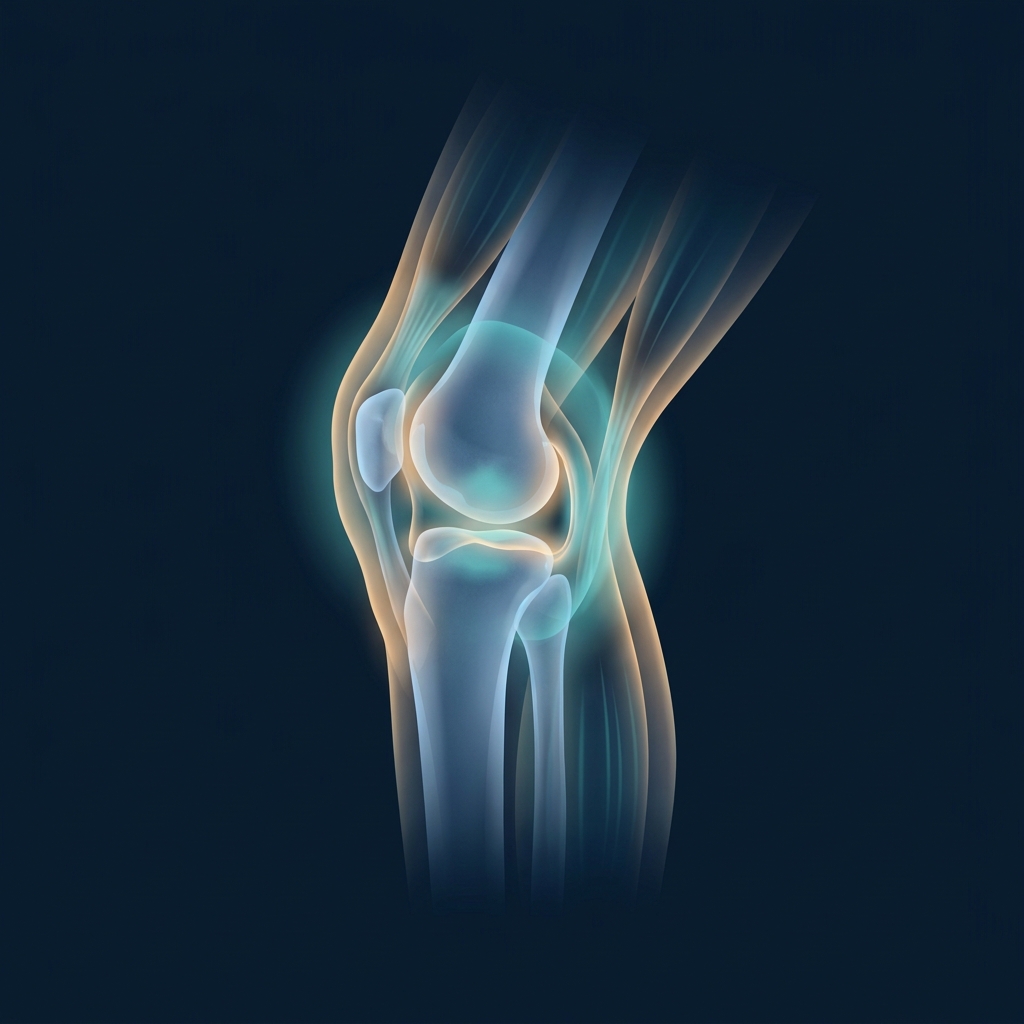
Back of Knee Joint Pain: The Posterior Compartment Diagnosis Framework That Separates Joint-Line Pathology from Soft-Tissue Causes
Introduction: When Back-of-Knee Pain Is a Joint Problem, Not a Soft-Tissue Problem
Most online resources addressing posterior knee pain conflate soft-tissue sources (Baker’s cyst, hamstring strain, gastrocnemius injury) with pain originating inside the joint itself. This distinction carries major treatment implications. A patient with a posterior horn meniscus root tear faces dramatically different clinical stakes than someone with a strained hamstring, yet both may initially present with “back of knee pain.”
Readers seeking information about back of knee joint pain have likely progressed beyond the basic symptom-search stage. They have seen a doctor, they know something is wrong inside the knee, and they need a more precise framework for understanding their condition.
Back of knee joint pain has three distinct intra-articular mechanisms: posterior horn meniscus tears, posterior capsule contracture, and OA-driven posterior compartment narrowing. Each carries different clinical stakes and treatment pathways. This article introduces a three-pathway diagnostic framework designed to help patients identify which mechanism is most likely driving their posterior knee pain.
The epidemiological context makes this framework increasingly relevant. Global knee OA prevalence reached 374.7 million cases in 2021, with projections showing a 43.8% increase by 2035. Posterior compartment joint pain represents an increasingly common clinical problem that demands precise diagnosis.
Before applying any self-directed diagnostic framework, patients should recognize red flags requiring urgent evaluation: sudden severe pain preventing walking, knee deformity, a hot, red, or swollen knee, history of cancer, unexplained weight loss, or signs of deep vein thrombosis (calf swelling, warmth, redness). This article serves as a guide to informed conversation with a clinician, not a replacement for professional medical evaluation.
Why the Back of the Knee Joint Is Anatomically Unique
The posterior compartment of the knee is anatomically dense and diagnostically underappreciated compared to the anterior compartment. Understanding this anatomy is essential for accurate diagnosis.
The posteromedial corner (PMC) comprises a complex anatomical region including the semimembranosus tendon, oblique popliteal ligament, posterior oblique ligament, posteromedial joint capsule, and the posterior horn of the medial meniscus. All of these structures can generate joint-line pain.
The central diagnostic axis of this framework distinguishes between intra-articular posterior pain (originating from joint structures such as meniscus, cartilage, and capsule) and extra-articular posterior pain (originating from soft tissues such as tendons, bursae, and nerves). This distinction determines treatment pathways.
The posterior horn of the medial meniscus holds particular clinical significance. It is the thickest portion of the meniscus, absorbs the most force, and provides the most stability to the knee joint. The lateral meniscus absorbs approximately 70% of forces across the lateral compartment, making posterior horn lateral tears equally consequential for OA progression.
MRI remains the gold standard for diagnosing posterior joint-line pathology. However, posterior root tears and ramp lesions are frequently missed even on MRI, particularly by non-specialist radiologists. Patients should inquire whether their imaging was interpreted by a musculoskeletal radiologist when posterior pathology is suspected.
The Three-Pathway Diagnostic Framework for Back of Knee Joint Pain
This framework functions as a clinical decision tool to help medically sophisticated patients identify which of three intra-articular mechanisms is most likely driving their posterior knee pain.
These three pathways are not mutually exclusive. They frequently co-exist, particularly in middle-aged and older adults. However, each has a distinct primary presentation, risk profile, and treatment implication.
The framework centers on three diagnostic questions:
- Is there a structural tear in the posterior horn of the meniscus?
- Is the posterior capsule contracted or fibrotic?
- Is the posterior compartment narrowed by OA-driven cartilage loss?
This framework guides informed clinical conversations and imaging interpretation. It does not replace professional diagnosis.
Pathway 1: Posterior Horn Meniscus Tears — The High-Stakes Structural Diagnosis
Posterior horn meniscus tears represent the most common meniscus tear location across all tear types, affecting approximately 61 out of every 100,000 people in the United States.
Traumatic posterior horn tears typically occur in younger, active patients from a twisting or squatting mechanism. Degenerative posterior horn tears are common in adults 45 and older, with or without concurrent OA.
The clinical presentation includes posterior joint-line pain, pain with squatting, twisting, or bending, and a characteristic popping sound during light activities such as housework or rising from a chair. This popping sound differentiates root tears from other posterior pain sources.
Key risk factors include varus alignment and high BMI, both identifiable and modifiable. Early risk stratification carries clinical value. Degenerative meniscus tears frequently co-exist with medial joint space narrowing, as cartilage loss overloads the meniscus, causing it to tear. Untreated posterior horn root tears accelerate cartilage loss, increasing arthroplasty risk.
This is not a “wait and see” diagnosis for root tear subtypes. The 87% non-operative failure rate makes early, accurate identification critical. Patients exploring meniscus tear treatment without surgery should understand which tear subtypes are appropriate candidates for non-operative management.
What Imaging Reveals and Misses in Posterior Horn Tears
MRI serves as the gold standard for posterior horn tear diagnosis. Key MRI features include increased signal intensity within the posterior horn, the “ghost meniscus” sign in root tears, and the cleft sign in ramp lesions.
A significant diagnostic gap exists: posterior root tears and ramp lesions are frequently missed on MRI, particularly by non-specialist radiologists. Patients should ask whether their MRI was read by a musculoskeletal radiologist.
The LaPrade five-type classification system provides the standard framework surgeons use to characterize posterior meniscal root tears. Understanding this system helps patients interpret their imaging reports.
If posterior root tear is clinically suspected but MRI is equivocal, a second opinion from a knee specialist or musculoskeletal radiologist is warranted given the high clinical stakes.
Pathway 2: Posterior Capsule Contracture — The Underdiagnosed Stiffness Driver
Posterior capsular contracture (also called posterior capsule arthrofibrosis or flexion contracture) represents a clinically underappreciated cause of back-of-knee joint pain that is distinct from soft-tissue causes.
The mechanism involves the posterior capsule becoming thickened, fibrotic, and contracted. This limits full knee extension and generates posterior joint pain, particularly during the final degrees of straightening the leg.
Three primary causes drive this condition: trauma (including ligament injuries), prior knee surgery, and chronic degenerative disease (OA). OA is the most common driver in the general population.
The clinical presentation includes posterior knee tightness or aching that is worst when attempting to fully straighten the knee. This is often accompanied by a visible extension deficit in which the knee cannot fully flatten.
A missed or underdiagnosed capsular injury can lead to chronic instability, accelerated cartilage damage progressing to OA, and increased risk of meniscal or ligament injury. Increased mechanical stress from a flexion contracture also affects the contralateral joint, making bilateral consequences a relevant concern.
Posterior capsule contracture differs from posterior soft-tissue tightness (such as tight hamstrings or gastrocnemius). The key differentiator is that capsular contracture produces a hard end-feel on passive extension and is confirmed on MRI as posterior capsular thickening, not muscular tightness.
How Posterior Capsule Contracture Develops in OA Patients
Chronic OA-driven inflammation leads to synovial thickening, posterior capsule fibrosis, and progressive loss of extension range. This cycle worsens with inactivity.
Posterior capsular contracture is a recognized complication in knee OA that often goes unaddressed in standard OA management, which focuses primarily on pain relief rather than range-of-motion restoration.
Cadaveric evidence confirms that stepwise posterior capsular release is effective for correcting flexion contracture. This establishes posterior capsule contracture as a surgically addressable pathology when conservative measures fail. Arthroscopic posterior capsulotomy offers a minimally invasive option for patients with significant extension deficits who have not responded to physical therapy.
Pathway 3: OA-Driven Posterior Compartment Narrowing — The Chronic Pain Pathway
OA-driven posterior compartment narrowing represents the third and most prevalent pathway, particularly in adults over 50.
In a study of 164 patients with medial tibiofemoral OA, 37% reported posterior knee pain. This makes it the third most common pain zone after the medial joint line (75%) and patellar tendon (38%).
As cartilage in the posterior compartment degrades, bone-on-bone contact and inflammatory mediators generate deep, aching posterior joint pain. This differs from the sharp, mechanical pain of a meniscus tear.
The clinical presentation includes diffuse posterior aching that worsens with prolonged standing, stair descent, and end-of-day activity. Morning stiffness lasting more than 30 minutes is often associated.
The Kellgren-Lawrence grading system (Grades 1 through 4) provides the standard radiographic tool for staging OA severity. Posterior compartment narrowing may not be fully captured on standard AP weight-bearing X-rays and may require lateral or posteroanterior flexion views.
The OA-meniscus tear co-occurrence is significant: a study of 140 knee OA patients showed 87.9% had concurrent meniscal tears with joint space narrowing. Many patients in this pathway also have elements of Pathway 1.
The lifetime risk of developing symptomatic knee OA is approximately 45% (40% of men, 47% of women), making this the highest-volume pathway for the general population. Diffuse and medial-posterior pain patterns in OA are associated with more severe pain and dysfunction, making posterior compartment involvement a marker of disease severity.
Applying the Framework: How to Identify Your Pathway
This practical guide helps readers map their symptoms to the most likely pathway. It serves as a tool for informed clinical conversation, not self-diagnosis.
Pathway 1 indicators: Sudden or activity-related onset, sharp posterior joint-line pain, popping during light activities, pain with squatting or twisting, younger-to-middle age or high BMI/varus alignment.
Pathway 2 indicators: Inability to fully straighten the knee, posterior tightness at end-range extension, history of trauma or prior knee surgery, or long-standing OA with progressive stiffness.
Pathway 3 indicators: Gradual onset, diffuse posterior aching, worsening with prolonged activity, morning stiffness, age 50 or older, known OA diagnosis or radiographic joint space narrowing.
Patients with long-standing OA often present with elements of all three pathways simultaneously. This co-occurrence affects treatment sequencing.
Red flags that should prompt urgent evaluation rather than self-directed framework application include: sudden severe pain preventing walking, knee deformity, a hot, red, or swollen knee, history of cancer, unexplained weight loss, or signs of DVT. Approximately half of all DVT cases present without symptoms.
Why Accurate Pathway Identification Changes Treatment Options
The clinical stakes of misidentifying the pathway are significant. Treating a posterior horn root tear with physical therapy alone carries an 87% failure rate. Treating OA-driven posterior pain without addressing posterior capsule contracture leaves a key driver unresolved.
Once the pathway is identified, the treatment landscape becomes clearer. Each pathway responds to different interventions, and regenerative therapies are most effective when matched to the underlying pathology.
For all three pathways, the goal of treatment extends beyond pain relief to preservation of joint structure. Untreated posterior horn root tears accelerate OA, and untreated OA accelerates capsular fibrosis and meniscal degeneration.
The non-surgical treatment spectrum includes physical therapy, NSAIDs, corticosteroid injections, hyaluronic acid viscosupplementation, PRP, BMAC, and stem cell therapy. Meta-analyses from 2025 show PRP provides clinically meaningful improvements in pain and function at 6 to 12 months.
Regenerative Treatment Options Mapped to Each Pathway
Regenerative therapies target the underlying joint pathology rather than masking symptoms. As of 2026, the FDA has not approved stem cell, PRP, or exosome products specifically for orthopedic conditions, but substantial clinical evidence supports safety and efficacy when administered by qualified providers within FDA regulatory frameworks.
Treatment selection should be individualized based on inflammation levels, patient age, injury type and location, current medications, and personal health goals.
Pathway 1 Treatment: Targeting Posterior Horn Meniscus Tears
PRP (Platelet-Rich Plasma) serves two roles: as an adjunct to surgical repair to enhance healing at the avascular posterior horn, and as a standalone injection for degenerative tears in patients who are not surgical candidates. Patients considering ultrasound-guided knee injection for PRP delivery should understand how precision guidance improves accuracy for posterior compartment targets.
BMAC (Bone Marrow Aspiration Concentrate) offers a higher-concentration regenerative option for posterior horn tears with concurrent early OA. It provides both growth factors for meniscal healing and anti-inflammatory cytokines for cartilage protection.
For posterior horn root tears specifically, the 87% non-operative failure rate means regenerative injections alone are unlikely to be sufficient. Surgical repair with PRP augmentation represents the evidence-supported approach.
Physical therapy remains essential, focusing on quadriceps strengthening, proprioception, and varus/valgus load management. However, it has limitations as a standalone treatment for root tears.
Pathway 2 Treatment: Addressing Posterior Capsule Contracture
Posterior capsule contracture treatment is primarily mechanical and anti-inflammatory in the early stages. Physical therapy focuses on progressive extension stretching, low-load prolonged stretching, and posterior capsule mobilization.
Corticosteroid injection into the posterior joint space offers a short-term option to reduce capsular inflammation and improve compliance with stretching, though it has limitations for long-term structural change.
PRP provides a regenerative alternative to corticosteroids for posterior capsule inflammation. By delivering concentrated growth factors directly to the posterior joint space, PRP may reduce fibrotic activity and support tissue remodeling.
For patients with significant extension deficits who do not respond to conservative care, arthroscopic posterior capsulotomy offers a minimally invasive surgical option with evidence of excellent extension recovery.
In OA patients with concurrent posterior capsule contracture, treating both the OA component and the capsular component produces better outcomes than addressing either in isolation.
Pathway 3 Treatment: Managing OA-Driven Posterior Compartment Pain
OA-driven posterior compartment pain requires a layered treatment approach aligned with disease severity and functional impact.
For early-to-moderate OA (Kellgren-Lawrence Grades 1 through 2), PRP injections have the strongest evidence base. The mechanism involves growth factor delivery, anti-inflammatory cytokines, and synovial fluid improvement.
For moderate OA (Grades 2 through 3), BMAC offers a higher concentration of regenerative cells and growth factors. It is appropriate for patients with more significant cartilage degradation who have not responded adequately to PRP. Patients can learn more about BMAC injection for bone and joint healing to understand how this therapy is applied across musculoskeletal conditions.
For moderate-to-advanced OA (Grade 3), stem cell therapy (mesenchymal stem cells) targets cartilage regeneration and inflammation modulation. Over 224 active clinical trials and a $140 million Phase III trial announced in January 2026 demonstrate the growing evidence base.
Hyaluronic acid viscosupplementation serves as an adjunct option for posterior compartment OA, particularly for patients with significant joint space narrowing.
For severe OA (Grade 4) with significant structural damage, total knee replacement remains the gold standard. However, studies suggest up to 80% of patients told they need TKR may not actually require surgery. A thorough evaluation of alternatives to knee replacement surgery is appropriate before proceeding.
All regenerative treatments for OA are most effective when combined with weight management, exercise, and activity modification.
When to Seek Specialist Evaluation: Navigating the Diagnostic Process
Musculoskeletal radiologist review of MRI is recommended for any suspected posterior horn root tear or ramp lesion, given the high rate of missed diagnoses on standard reads.
Patients with a suspected posterior horn root tear should seek evaluation from a knee specialist (orthopedic surgeon or sports medicine physician) given the 87% non-operative failure rate. Early specialist involvement changes outcomes.
For patients with OA-driven posterior pain exploring regenerative options, a provider experienced in precision-guided injection techniques (ultrasound or X-ray guided) is essential for accurate delivery of PRP, BMAC, or stem cell therapy to the posterior joint space. Understanding the benefits of X-ray guided joint injection helps patients evaluate provider capabilities before committing to treatment.
Same-day consultation and treatment is available at specialized regenerative medicine clinics, reducing the time between diagnosis and treatment initiation.
Red flags requiring urgent evaluation include sudden severe pain, inability to bear weight, knee deformity, a hot, red, or swollen joint, signs of DVT, or systemic symptoms such as fever or weight loss.
Conclusion: Precision Diagnosis Is the First Step Toward Effective Treatment
Back of knee joint pain is not a single condition. It is a posterior compartment diagnostic challenge with three distinct intra-articular pathways, each with different clinical stakes and treatment implications.
Key clinical takeaways include: the 87% non-operative failure rate for posterior horn root tears makes early accurate diagnosis critical; posterior capsule contracture is underdiagnosed and treatable; OA-driven posterior compartment pain affects 37% of medial OA patients; and regenerative options exist for each pathway.
The three-pathway framework serves as a tool for informed clinical engagement. Patients who understand their pathway are better positioned to ask the right questions, interpret their imaging, and evaluate their treatment options.
With global knee OA prevalence projected to rise 43.8% by 2035 and over 224 clinical trials investigating regenerative therapies for OA, the treatment landscape is evolving rapidly. Patients who engage now have more options than ever before.
Precision diagnosis, not symptom management, is what separates patients who recover function from those who progress to surgery. That process starts with understanding which pathway is driving the pain.
Take the Next Step: Explore Your Regenerative Treatment Options
Patients who have identified with one or more of the three diagnostic pathways may benefit from a consultation with Unicorn Bioscience. The consultation serves as a precision diagnostic conversation focused on identifying the optimal treatment pathway.
Unicorn Bioscience offers virtual and in-person consultations across eight locations in Texas, Florida, and New York. Same-day treatment is available for qualified candidates.
The personalized treatment planning approach develops protocols based on individual patient factors including inflammation levels, age, injury type, current medications, and health goals. This approach aligns directly with the three-pathway framework introduced in this article.
All injections are administered using precision imaging guidance (ultrasound and X-ray), ensuring accurate delivery to the posterior joint space. This technical requirement is critical for posterior compartment pathology.
The full treatment menu includes PRP, BMAC, stem cell therapy, hyaluronic acid, and exosome therapy as pathway-matched options.
Schedule a consultation at unicornbioscience.com or call (737) 347-0446 to discuss which regenerative pathway is right for posterior knee joint pain.
Schedule Your Consultation Today!