
Regenerative Medicine for Weekend Warriors: The Injury-to-Treatment Playbook That Gets You Back in the Game Without Surgery in 2026
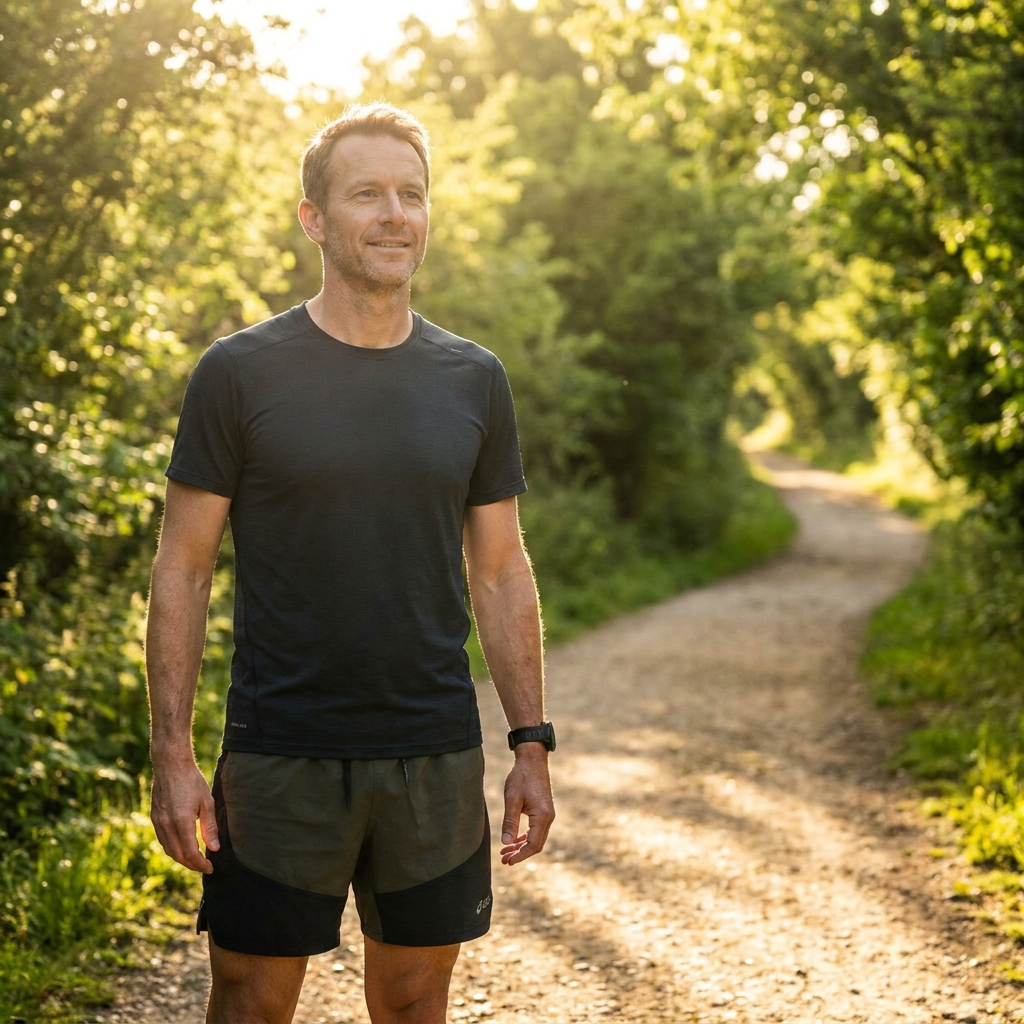
Regenerative Medicine for Weekend Warriors: The Injury-to-Treatment Playbook That Gets You Back in the Game Without Surgery in 2026
Introduction: The Weekend Warrior’s Dilemma, Big Activity, Bigger Injury Risk
There is a familiar pattern among adults aged 35 to 50: a demanding workweek leaves little room for daily exercise, so physical activity gets compressed into one or two intense weekend sessions. The Saturday pickup basketball game, the Sunday 10-mile run, the competitive pickleball match. This is the weekend warrior, and while the intent is admirable, the physiology tells a more complicated story.
The numbers are sobering. Weekend warriors aged 35 to 50 experience a 50% higher rate of acute injuries compared to their more regularly active peers (Gitnux, 2026). In 2024 alone, 4.4 million people were treated in U.S. emergency departments for sports and recreational injuries, a 17% jump from the year prior (National Safety Council). That trend has not slowed.
Here is the paradox: research confirms that the weekend warrior activity pattern delivers mortality reduction comparable to regular daily exercise (PMC systematic review, 2025). In other words, this is a health-conscious population doing the right thing for their long-term wellbeing, yet they remain structurally prone to injury.
This article is a practical playbook. It maps the most common weekend warrior injuries to specific regenerative medicine protocols, explains what options exist in 2026, how to match them to particular injuries, what the treatment timeline looks like, and how working adults can access and afford these therapies, all without surgery.
Why Weekend Warriors Are a Distinct Patient Population
The biomechanical reality is straightforward. During the week, the body undergoes a degree of deconditioning. Then, on the weekend, it is asked to perform at high intensity. This creates a mismatch between tissue capacity and mechanical demand, and that mismatch is where injuries occur.
The most common injury sites are the knees, shoulders, and ankles, with sprains and strains far outnumbering fractures. Running-related injuries occur in 62.4% of recreational runners over the course of a year (Gitnux, 2026), making this one of the largest weekend warrior injury cohorts.
Contrast the weekend warrior with the professional athlete. Professionals have daily conditioning, dedicated medical staff, and full recovery infrastructure. Weekend warriors have none of this. They also have something professionals do not: a full-time job. Over 1 in 10 Americans report a musculoskeletal injury causing missed work, amounting to 72.1 million lost workdays (PMC).
This return-to-work dimension is critical and frequently overlooked. A traditional surgical pathway, with its long recovery timelines, extended physical therapy, and weeks away from work and family, is often deeply misaligned with what this population actually needs. Understanding the full picture of regenerative medicine vs surgery outcomes can help patients make more informed decisions.
What Is Regenerative Medicine? A Practical Primer for the Non-Scientist
In accessible terms, regenerative medicine refers to therapies that harness the body’s own biological mechanisms, or introduce biological signals, to repair damaged tissue rather than surgically removing or replacing it.
For recreational athletes, this matters more than ever. Around 45% of sports injury treatments now include regenerative biologic therapies (Global Growth Insights, 2026), and adoption has climbed by nearly 30% over the last two years. The main treatment categories available in 2026 include PRP, BMAC, exosomes, peptide therapy, and hyaluronic acid injections.
Transparency on regulation is essential. As of 2026, the FDA has not approved stem cell, PRP, or exosome products specifically for orthopedic conditions. However, substantial clinical evidence supports their safety and efficacy when administered by qualified providers within FDA regulatory frameworks.
This is no longer fringe medicine. Major academic centers including UCLA Health, Stanford Medicine, Penn Medicine, and UT Southwestern now offer orthobiologics programs accessible to recreational athletes. The realistic expectation: regenerative medicine is not a guaranteed cure, but it offers a clinically supported, minimally invasive pathway that many weekend warriors have never been told exists.
The Regenerative Medicine Toolkit: Understanding Your Treatment Options
Before matching treatments to specific injuries, it helps to understand what each modality actually does.
Platelet-Rich Plasma (PRP): The Most Established Option
PRP works by drawing the patient’s own blood, centrifuging it to concentrate platelets and growth factors, and then injecting that concentrate into the injured tissue under imaging guidance.
The clinical evidence is compelling. In one study of lower extremity muscle strains, the PRP group returned to sport in a mean of 21.1 days versus 25 days for the control group (PMC). PRP’s broad applicability across tendon, ligament, and joint injuries makes it the most versatile entry point for weekend warriors. Precision-guided injection technology, using ultrasound and X-ray, ensures the concentrate reaches the target tissue accurately.
PRP is not covered by most major commercial insurers for orthopedic indications in 2026, but HSA and FSA accounts can be used as a tax-advantaged payment option.
Bone Marrow Aspirate Concentrate (BMAC): For Complex and Structural Injuries
BMAC involves aspirating bone marrow, typically from the iliac crest, concentrating it, and injecting it into the injured area to deliver mesenchymal stem cells and growth factors. It represents a step up from PRP in biological potency and is typically used for more complex structural injuries such as partial ligament tears or significant cartilage damage.
The research base is robust: more than 150 clinical trials involving mesenchymal stem cells for knee osteoarthritis were listed on ClinicalTrials.gov in 2025 (Mordor Intelligence, 2026). BMAC is performed as an in-office procedure and, at clinics offering same-day treatment, can be completed in a single visit. Like PRP, it is HSA/FSA eligible.
Exosome Therapy: The Emerging Frontier
Exosomes are extracellular vesicles that carry biological signals, offering a cell-free approach that delivers regenerative instructions to damaged tissue without introducing live cells. The appeal lies in their potential to reduce inflammation and stimulate repair with a favorable safety profile.
Transparency matters here: as of early 2025, the FDA has not approved exosome products for therapeutic use, and this remains an evolving area of regulatory oversight. Exosome therapy is best understood as a promising, actively researched option with a less established evidence base than PRP or BMAC. Patients should seek providers who are transparent about its investigational nature.
Peptide Therapy: Targeted Tissue Repair Signals
Peptides are short chains of amino acids that act as biological signals, directing the body to accelerate specific repair processes. Peptides such as BPC-157 and TB-500 are among those being explored in sports medicine and tissue repair contexts.
Peptide therapy is often used in combination with other regenerative modalities rather than as a standalone treatment. It remains an area of active research, so patients should discuss the current evidence base and regulatory status with their provider. For weekend warriors, the appeal is clear: targeted, minimally invasive, and potentially compatible with a busy work schedule.
Hyaluronic Acid Injections: Joint Lubrication and Pain Relief
Viscosupplementation uses hyaluronic acid injections to restore lubrication to joints, reducing friction and pain. This is particularly relevant for knee and shoulder conditions. Hyaluronic acid has a longer track record of clinical use than newer biologics. While not strictly a regenerative therapy in the biological sense, it is commonly offered alongside regenerative protocols and can meaningfully reduce pain and improve function, sometimes serving as a bridge therapy or complement to PRP.
The Weekend Warrior Injury-to-Treatment Playbook
This is the practical heart of the article: a sport-by-sport, injury-by-injury matching framework. For each injury below, readers will find a brief description, an explanation of why weekend warriors are susceptible, and which regenerative protocols are most commonly indicated. All treatment decisions should be made in consultation with a qualified provider who can assess individual factors including inflammation levels, age, injury severity, current medications, and personal health goals.
ACL Sprains and Partial Tears: The Knee Injury That Doesn’t Have to End Your Season
Full ACL tears typically require surgical reconstruction, but partial tears and sprains, which are common in weekend warriors, may be candidates for regenerative intervention. Knee injuries dominate the sports medicine market, accounting for 32 to 41% of market share by application, making them the highest-demand segment for regenerative treatments. Patients exploring non-surgical knee treatment options will find a growing range of evidence-supported alternatives.
Treatment match: PRP is commonly used for partial ACL injuries to support ligament healing and reduce inflammation. BMAC may be indicated for more significant structural involvement. Regenerative protocols are typically paired with a structured physical therapy component.
Relevant sports: soccer, basketball, skiing, flag football.
Rotator Cuff Strains and Partial Tears: Keeping Your Shoulder in the Game
Overhead sports, swimming, tennis, and recreational weightlifting create repetitive strain on the rotator cuff tendons. The key distinction is between partial tears, which are regenerative medicine candidates, and full-thickness tears, which may require surgical evaluation.
Treatment match: PRP injections into the supraspinatus or infraspinatus tendon under ultrasound guidance are a well-documented approach for partial rotator cuff tears and tendinopathy. Imaging-guided precision is especially important here given the shoulder’s complex anatomy.
Relevant sports: tennis, pickleball, swimming, recreational golf, volleyball.
Achilles Tendinitis and Tendinopathy: The Runner’s Recurring Nightmare
Weekend runners are disproportionately affected because insufficient weekly mileage fails to build tendon resilience, and sudden high-volume weekend runs create chronic microtrauma. The condition presents in two forms: insertional (at the heel bone) and mid-substance tendinopathy.
Treatment match: PRP is one of the most studied regenerative interventions for Achilles tendinopathy, with evidence supporting reduced pain and improved function. Extracorporeal shockwave therapy (ESWT) is commonly used in combination, and the condition responds well to regenerative injection paired with structured eccentric exercise rehabilitation.
Relevant sports: running, basketball, tennis, pickleball.
Tennis Elbow (Lateral Epicondylitis) and Golfer’s Elbow: The Grip-Sport Injuries
Repetitive gripping and wrist extension or flexion in racquet sports, golf, and recreational weightlifting overload the common extensor or flexor tendon origins at the elbow. Tennis elbow is one of the most common overuse injuries in recreational athletes and is frequently undertreated, managed only with rest and NSAIDs.
Treatment match: PRP has a strong evidence base for lateral epicondylitis, with multiple randomized controlled trials supporting its use over corticosteroid injections for long-term outcomes. Elbow PRP injections are straightforward, well-tolerated, and compatible with same-day treatment protocols.
Relevant sports: tennis, pickleball, golf, recreational racquetball.
Plantar Fasciitis: When Every Morning Step Is a Reminder
This condition involves degeneration of the plantar fascia at its calcaneal insertion, causing characteristic morning pain and activity-related heel discomfort. Weekend warriors are susceptible due to insufficient foot conditioning combined with high-impact activity on hard surfaces.
Treatment match: PRP injections into the plantar fascia insertion have demonstrated efficacy in multiple studies, with evidence of superior long-term outcomes compared to corticosteroid injections. This is a particularly compelling case for regenerative medicine: corticosteroids provide short-term relief but can weaken the fascia, while PRP supports actual tissue repair.
Relevant sports: running, basketball, recreational hiking, pickleball.
Meniscus Irritation and Partial Tears: Protecting Your Knee Cartilage
Acute meniscus tears may require surgical evaluation, but degenerative meniscus changes and minor irritation, more common in the 35-to-50 cohort, are often candidates for regenerative care. The clinical rationale is sound: the meniscus has limited blood supply in its inner zones, making natural healing slow. Regenerative therapies can introduce growth factors to an otherwise poorly vascularized environment.
Treatment match: Intra-articular PRP injections are commonly used for meniscus-related knee pain. BMAC may be indicated for more significant meniscal pathology or concurrent cartilage involvement. Addressing early meniscal degeneration may also delay or prevent progression to osteoarthritis, and patients wondering do I really need knee replacement surgery may find regenerative options worth exploring first.
Relevant sports: running, soccer, basketball, skiing, recreational hiking.
Navigating the Cost and Access Landscape in 2026
Cost is one of the most significant barriers to regenerative medicine access, and most competitor content fails to address it honestly. Here is the unvarnished reality.
Major commercial insurers including Aetna, Cigna, UnitedHealthcare, and Blue Cross Blue Shield classify PRP as investigational for orthopedic indications in 2026, with 85 to 95% of applications denied (Orthopedic PRP, 2026). There is an important exception, however: some private insurers now reimburse PRP for tendinopathy after conservative therapies fail (Mordor Intelligence, 2026), and an estimated 6 million Americans have some PRP coverage through self-insured employer plans.
The most meaningful workaround is the HSA/FSA pathway. Both PRP and BMAC therapies are eligible for payment through Health Savings Accounts and Flexible Spending Accounts, offering a tax-advantaged route around the coverage gap. Readers should check their specific plan documents and consult their HR department about self-insured employer plan flexibility.
The cost conversation also deserves context. The financial and time cost of a regenerative treatment should be weighed against the alternative: surgical recovery, extended physical therapy, and lost workdays.
Same-Day Treatment: Why This Changes Everything for Busy Adults
At qualified regenerative medicine clinics, patients can receive a consultation and treatment, such as a PRP or BMAC injection, on the same day. Contrast this with the traditional orthopedic surgical pathway: referral, pre-surgical workup, scheduling, surgery, hospital stay, post-operative care, and weeks to months of physical therapy.
For working adults, the practical significance is considerable. Same-day treatment means a weekend warrior can come in on a Friday and return to desk work on Monday, rather than planning weeks of medical leave. Virtual consultation options reduce the time burden further, allowing initial assessments to be completed remotely before an in-person visit.
To set honest expectations: regenerative medicine is not instantaneous. Tissue healing takes time. But the absence of surgical recovery dramatically compresses the overall timeline, as the PRP return-to-play data demonstrates, with patients returning to sport in a mean of 21.1 days versus 25 days for controls. A detailed look at the PRP therapy recovery timeline can help patients plan realistically around their work and family commitments.
Regenerative Medicine as Prevention, Not Just Treatment
Increasingly, regenerative medicine is positioned as a proactive tool rather than a reactive response to acute injury. The concept is tissue optimization: addressing early-stage tendon degeneration, cartilage wear, or ligament laxity before it becomes a crisis can extend athletic longevity and reduce the likelihood of acute injury.
This connects directly to the weekend warrior’s underlying motivation. This population achieves mortality reduction comparable to regular exercisers; they are already investing in their health. Regenerative medicine can protect that investment. Personalized treatment planning, factoring in age, activity level, inflammation markers, and injury history, can inform a proactive protocol. Multimodal approaches combining PRP, stem cell therapy, and physical therapy are a growing trend for addressing complex injuries and supporting long-term tissue health.
This represents a genuine paradigm shift: from waiting until an injury occurs and then treating it, to maintaining tissue health so the injury does not occur in the first place. Cellular therapy for athletes is an emerging framework that reflects exactly this preventive philosophy.
How to Choose a Regenerative Medicine Provider: What to Look For and What to Avoid
The rapid growth of regenerative medicine has attracted both highly qualified providers and less rigorous operators. Patients need to know how to tell them apart.
Key criteria for a reputable provider:
- Board-certified physicians with orthopedic or sports medicine training
- Use of imaging guidance (ultrasound or X-ray) for all injections
- Transparent disclosure of FDA regulatory status for each treatment
- Personalized treatment planning rather than one-size-fits-all protocols
Red flags to avoid:
- Providers who guarantee outcomes
- Clinics that do not use imaging guidance for injections
- Lack of transparency about the investigational status of treatments
- Offshore or unregulated treatment options
Patients should not need to seek overseas medical tourism for legitimate regenerative medicine. U.S.-based treatment within FDA regulatory frameworks is the standard to insist upon. It is also worth asking about the provider’s experience with a specific injury type, the evidence base for the proposed treatment, and what a realistic outcome looks like. A virtual consultation can be a useful first step to gauge a provider’s transparency before committing.
What to Expect: A Realistic Treatment Timeline for Weekend Warriors
Honest expectations are essential: regenerative medicine accelerates healing but does not eliminate it. Tissue repair takes time regardless of the intervention.
A general framework by injury type:
- Acute muscle strains: return to activity in roughly 3 to 4 weeks with PRP
- Tendinopathies: 6 to 12 weeks for meaningful improvement
- Joint-level conditions: a longer arc of improvement over 3 to 6 months
The typical treatment sequence includes consultation and imaging assessment, same-day or scheduled injection, post-injection activity modification, physical therapy or structured rehabilitation, and follow-up assessment. Treatment courses vary by condition and individual response. Some patients respond to a single injection; others benefit from a series. Personalized assessment determines the appropriate protocol.
Combination approaches, such as PRP plus physical therapy or BMAC plus hyaluronic acid, are a growing trend and may produce better outcomes for complex injuries. Even a multi-injection regenerative protocol typically involves far less total downtime than surgical intervention and recovery. Patients can also explore the full range of available sports medicine regenerative treatment protocols to understand what a structured course of care looks like.
Conclusion: Your Weekend Warrior Future Doesn’t Have to Include Surgery
The 35-to-50-year-old weekend warrior faces a distinct and underserved injury risk profile. In 2026, however, a growing toolkit of regenerative medicine options offers a practical, evidence-supported alternative to surgery for many of the most common injuries.
ACL sprains, rotator cuff strains, Achilles tendinitis, tennis elbow, plantar fasciitis, and meniscus irritation all have established or emerging regenerative protocols that can be matched to the individual patient. The cost and access realities remain genuine: insurance coverage is limited, but HSA/FSA eligibility, same-day treatment availability, and the growing accessibility of qualified providers are reshaping the calculus for working adults.
There is also a meaningful preventive opportunity. Weekend warriors who address early tissue degeneration proactively, rather than waiting for a crisis, can extend their athletic longevity and protect the health investment they are already making. Regenerative medicine is increasingly making it possible to stay active and stay healthy at the same time.
Ready to Explore Regenerative Medicine for Your Injury? Take the Next Step.
Unicorn Bioscience is a qualified regenerative medicine provider offering the full spectrum of treatments discussed in this article, including PRP, BMAC, exosomes, peptide therapy, and hyaluronic acid injections, across multiple locations in Texas, Florida, and New York.
For busy adults, same-day treatment availability is a meaningful advantage: qualified candidates can receive a consultation and treatment on the same day, minimizing disruption to a packed work and family schedule. A virtual consultation option lets patients begin the process from home, making it easy to get an initial assessment without taking time off work.
Treatment protocols at Unicorn Bioscience are developed around individual patient factors, including inflammation levels, age, injury type, current medications, and personal health goals, rather than a one-size-fits-all menu.
To discuss a specific injury and explore whether regenerative medicine is the right path, schedule a consultation (virtual or in-person).
- Phone: (737) 347-0446
- Website: unicornbioscience.com
- Locations: Austin, Dallas, El Paso, Fort Worth, Houston, San Antonio, Boca Raton, and Manhattan
Schedule Your Consultation Today!